



































Table of Contents
Categories
Most Popular


The global digital marketing market was valued at $456.7 billion in 2025 and is projected to reach $1.20 trillion by 2034, reflecting the growing investment brands are making in their digital engagement strategy. Yet spending more on acquisition alone is not enough. Research consistently shows that acquiring a new customer costs 5 to 25 times more than retaining an existing one, making customer retention a far more cost-effective path to sustainable growth.
The value of engaged customers is equally compelling. According to Bain & Company, returning customers spend up to 67% more per order on average than first-time buyers. However, many brands still struggle with fragmented customer journeys across websites, mobile apps, email, social media, and messaging channels, resulting in inconsistent experiences and missed opportunities to build loyalty.
The difference between average-performing companies and high-growth brands is the presence of a connected, intentional digital customer engagement strategy. In this guide, you’ll learn what digital customer engagement is, why it matters, and how to build a strategy that improves retention, strengthens loyalty, and drives long-term business growth.
What Is Digital Customer Engagement?
Digital customer engagement refers to the ongoing interactions between a brand and its customers across digital channels throughout the customer lifecycle. It includes every touchpoint where customers connect with a business online, including mobile apps, websites, email, SMS, push notifications, in-app messaging, and social media.

Unlike standalone campaigns designed to drive a single action, digital customer engagement focuses on building lasting relationships through relevant and timely experiences. For example, a customer who browses a product may receive personalized recommendations, onboarding content, loyalty rewards, or service updates based on their behavior. The goal is to keep customers engaged, satisfied, and connected to the brand over time.
Digital Engagement vs. Digital Marketing: Key Differences
While digital engagement and digital marketing often work together, they serve different business objectives.
Digital marketing focuses on attracting new audiences, generating awareness, and driving customer acquisition. Digital engagement, on the other hand, focuses on strengthening relationships with existing customers, encouraging repeat interactions, and maximizing customer lifetime value.
A successful growth strategy requires both. Digital marketing brings customers into the funnel, while engagement keeps them active, loyal, and valuable over time.
This table encapsulates the key differences between digital customer engagement nd digital marketing.
| Digital Engagement | Digital Marketing |
| Goal: Retain and grow existing customers | Goal: Attract and acquire new customers |
| Metrics: Retention rate, DAU/MAU, Customer Lifetime Value (LTV) | Metrics: Customer Acquisition Cost (CAC), impressions, CTR |
| Channels: App, email, push notifications, in-app messaging, SMS | Channels: Paid advertising, SEO, social media, search marketing |
Why a Digital Engagement Strategy Matters More Than Individual Tactics
Individual tactics such as email campaigns, push notifications, or SMS messages can deliver results, but their impact is limited when executed in isolation. Customers often move across multiple channels before taking action, making consistency essential.
A digital engagement strategy provides the framework that connects these efforts. It helps brands map customer lifecycle stages, coordinate messaging across channels, and measure performance against retention and growth goals. Instead of sending disconnected communications, businesses can deliver timely, relevant interactions based on customer behavior.
As a result, each engagement tactic reinforces the others, creating a more seamless customer experience that improves retention, loyalty, and long-term customer value.
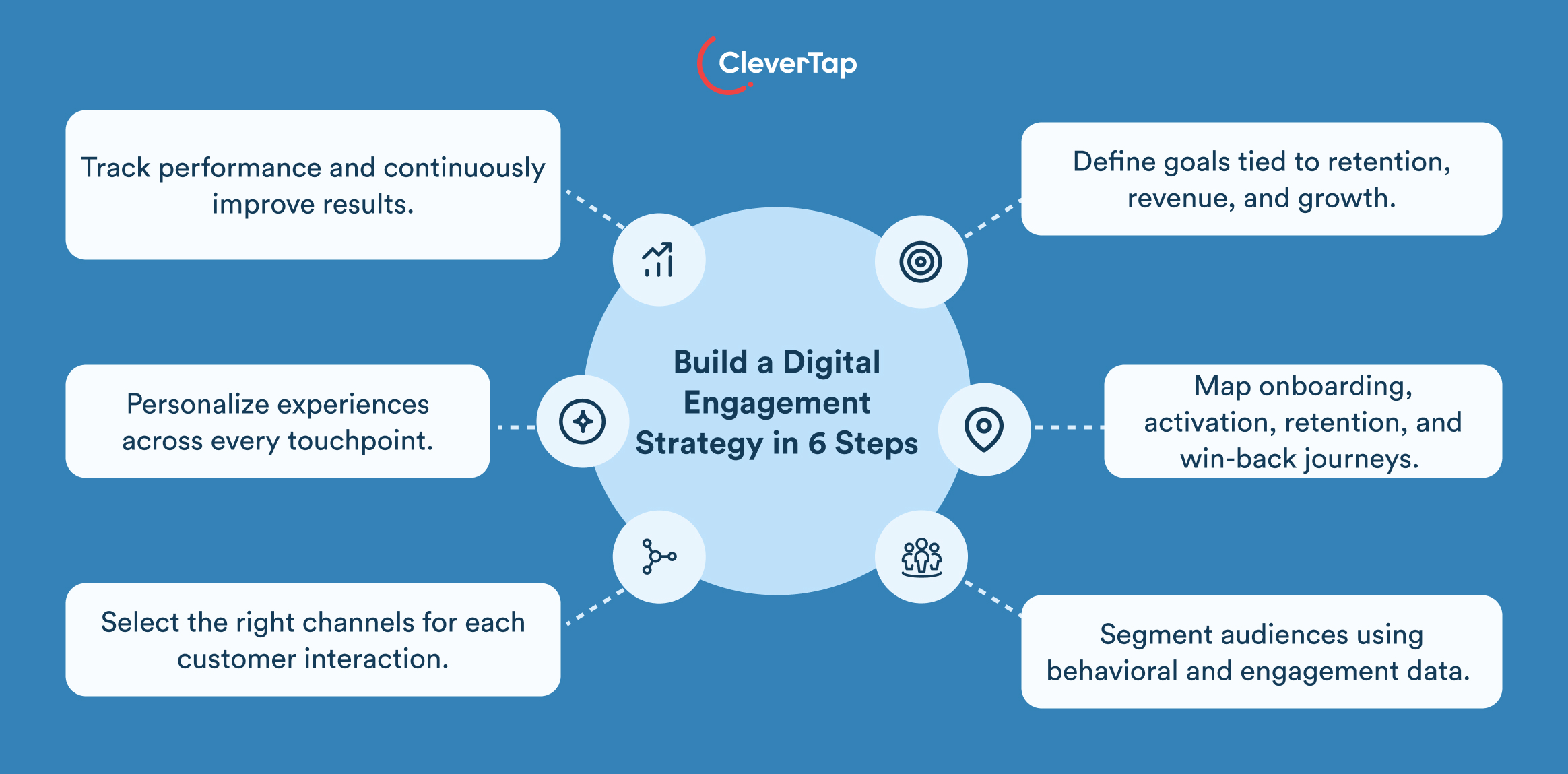
How to Build a Digital Engagement Strategy: A 6-Step Framework
A successful digital engagement strategy starts with understanding what business outcomes you want to achieve and building a framework that guides customers from first interaction to long-term loyalty.
Step 1: Define Engagement Goals Tied to Business Outcomes
Start by identifying the business outcomes you want to influence, then connect them to measurable engagement metrics.
For example:
- To reduce 30-day churn, improve onboarding completion rates
- To increase repeat purchases, improve Day-30 retention
- To grow feature adoption, improve the daily active users/ monthly active users (DAU/MAU) ratio
- To increase customer lifetime value, improve engagement frequency
This approach ensures every campaign, journey, and message contributes to a larger business objective rather than generating activity without impact.
Step 2: Map the Customer Lifecycle and Identify Engagement Gaps
Every digital engagement strategy should address four key lifecycle stages:
- Onboarding: Help new users get started and understand product value quickly.
- Activation: Guide users toward their first meaningful action or “aha moment.”
- Retention: Encourage repeat usage through personalized experiences, rewards, and relevant communication.
- Win-Back: Re-engage inactive users before they churn permanently.
Review each stage to identify where users drop off, disengage, or fail to progress. These gaps often reveal the biggest opportunities for improvement.
Step 3: Segment Your Audience Behaviorally
Demographics provide limited insight into customer intent. Behavioral segmentation creates more actionable audience groups.
Common approaches include:
- RFM Scoring: Segment users based on Recency, Frequency, and Monetary Value.
- Behavioral Signals: Analyze feature usage, session depth, purchases, and browsing patterns.
- Engagement Tiers: Classify customers as power users, active users, at-risk users, or dormant users.
Step 4: Select the Right Channels for Your Audience
Different industries require different channel mixes, as shown in the table below. The most effective engagement strategies don’t rely on a single channel; instead, they combine channels based on customer preferences, urgency, and the nature of the message.
For example, push notifications and in-app messages work well for real-time engagement, while email is better suited for educational content, account updates, and promotional campaigns.
Understanding where your customers are most likely to engage helps maximize reach, improve response rates, and create a more seamless customer experience across the lifecycle.
| Industry | Primary Channels | Supporting Channels |
| E-commerce & Retail | Email, Push Notifications | SMS, Web Push |
| Banking & Fintech | In-App Messaging, Push | Email, SMS |
| Insurtech | Email, App Notifications | SMS, Chat |
| Travel & Hospitality | Email, SMS | Push Notifications |
| Mobile Apps | Push Notifications, In-App Messaging |
Step 5: Personalize Across Every Touchpoint
Personalization should evolve in stages as your engagement program matures.
- Segment-level personalization: Tailor content for specific customer groups.
- Behavioral personalization: Trigger messages based on actions or inaction, such as abandoned carts or incomplete onboarding.
- Predictive personalization: Use predictive models to recommend products, identify churn risks, and determine the next best action for each user.
The more relevant the experience, the greater the likelihood of engagement and retention.
Step 6: Measure, Iterate, and Optimize Continuously
Track both leading and lagging indicators to understand performance.
Leading Indicators
- Onboarding completion rate
- Activation rate
- Open rates and click-through rates
- Feature adoption
Lagging Indicators
- Retention rate
- Customer lifetime value (LTV)
- Repeat purchase rate
- Revenue per user
Establish a regular review cadence:
- Weekly: Campaign performance and experiments
- Monthly: Lifecycle health and retention trends
- Quarterly: Strategic review and optimization
Digital engagement is never a one-time initiative. Continuous measurement and refinement help ensure that every interaction contributes to stronger customer relationships and long-term growth.
Digital Engagement Maturity Model: Where Does Your Brand Stand?
Most organizations progress through distinct stages as their digital engagement capabilities evolve. Understanding your current stage can help identify the next set of improvements needed to strengthen customer engagement and retention.

Stage 1: Reactive Engagement
At this stage, engagement efforts are largely campaign-driven and disconnected.
Characteristics:
- Batch-and-blast email or push campaigns
- Limited or no behavioral triggers
- Channels managed independently
- Minimal personalization
- Success is measured primarily through opens and clicks
This stage is common among early-stage businesses or teams with limited resources, data, or automation capabilities.
Stage 2: Proactive Engagement
Organizations begin shifting from campaign execution to customer journey management.
Characteristics:
- Behavioral triggers based on customer actions
- Basic audience segmentation
- Lifecycle journeys such as onboarding, retention, and win-back campaigns
- Coordination across multiple channels
- Greater focus on retention and engagement metrics
Most growing and mid-market brands operate at this stage, using customer behavior to deliver more relevant experiences while relying largely on predefined rules and workflows.
Stage 3: Predictive Engagement
Engagement becomes data-driven, personalized, and highly automated at the individual customer level.
Characteristics:
- Predictive churn and lifetime value scoring
- Real-time personalization across channels
- Next-best-action recommendations
- User-level engagement scoring
- AI/ML-powered decisioning and optimization
- Continuous testing and automated journey refinement
Brands at this stage can anticipate customer needs, proactively address churn risks, and deliver highly relevant experiences at scale. Rather than reacting to customer behavior, they use predictive insights to influence future outcomes and maximize long-term customer value.
Learn more: What Is Churn Prediction? A Complete Guide
10 Digital Engagement Strategies That Drive Results
The most successful digital engagement programs combine multiple tactics across the customer lifecycle. The strategies below help brands improve retention, increase customer lifetime value, and create stronger customer relationships.
1. Personalized Onboarding Journeys
KPIs: Onboarding completion rate, day-7 activation rate
Personalized onboarding adapts the first-time experience based on a user’s goals, profile, or behavior. Rather than showing every user the same walkthrough, brands guide individuals toward the actions most relevant to their needs.
This approach works because the first few interactions often determine whether users stay or leave. A tailored onboarding experience reduces confusion and helps customers reach value faster.
Brands can implement this through progressive profiling, goal-selection screens, interactive product tours, and onboarding checklists that encourage users to complete key actions.
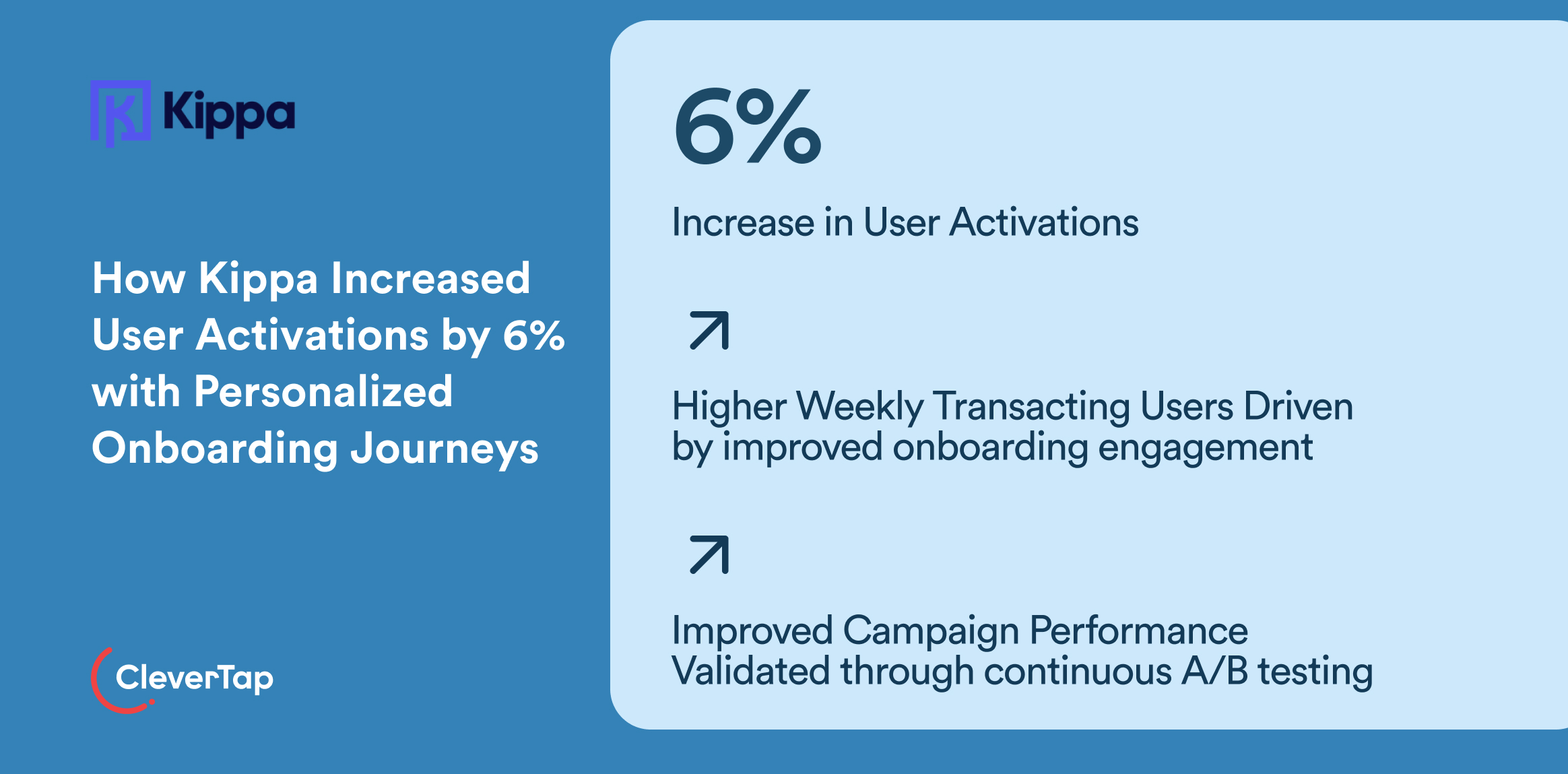
Example: Fintech platform Kippa used targeted onboarding journeys to guide new merchants through account setup and first transactions, resulting in a 6% increase in user activations.
2. Behavioral Trigger Campaigns
KPIs: Trigger conversion rate, revenue per triggered campaign
Behavioral triggers are automated messages launched in response to specific customer actions or inactivity. Common triggers include abandoned carts, incomplete onboarding, feature drop-offs, or prolonged inactivity.
Because these campaigns are tied to real-time behavior, they are significantly more relevant than scheduled promotional messages.
Start by identifying critical user actions and creating automated response sequences. A cart abandonment flow, for instance, might include an email reminder, a push notification, and a time-sensitive offer.
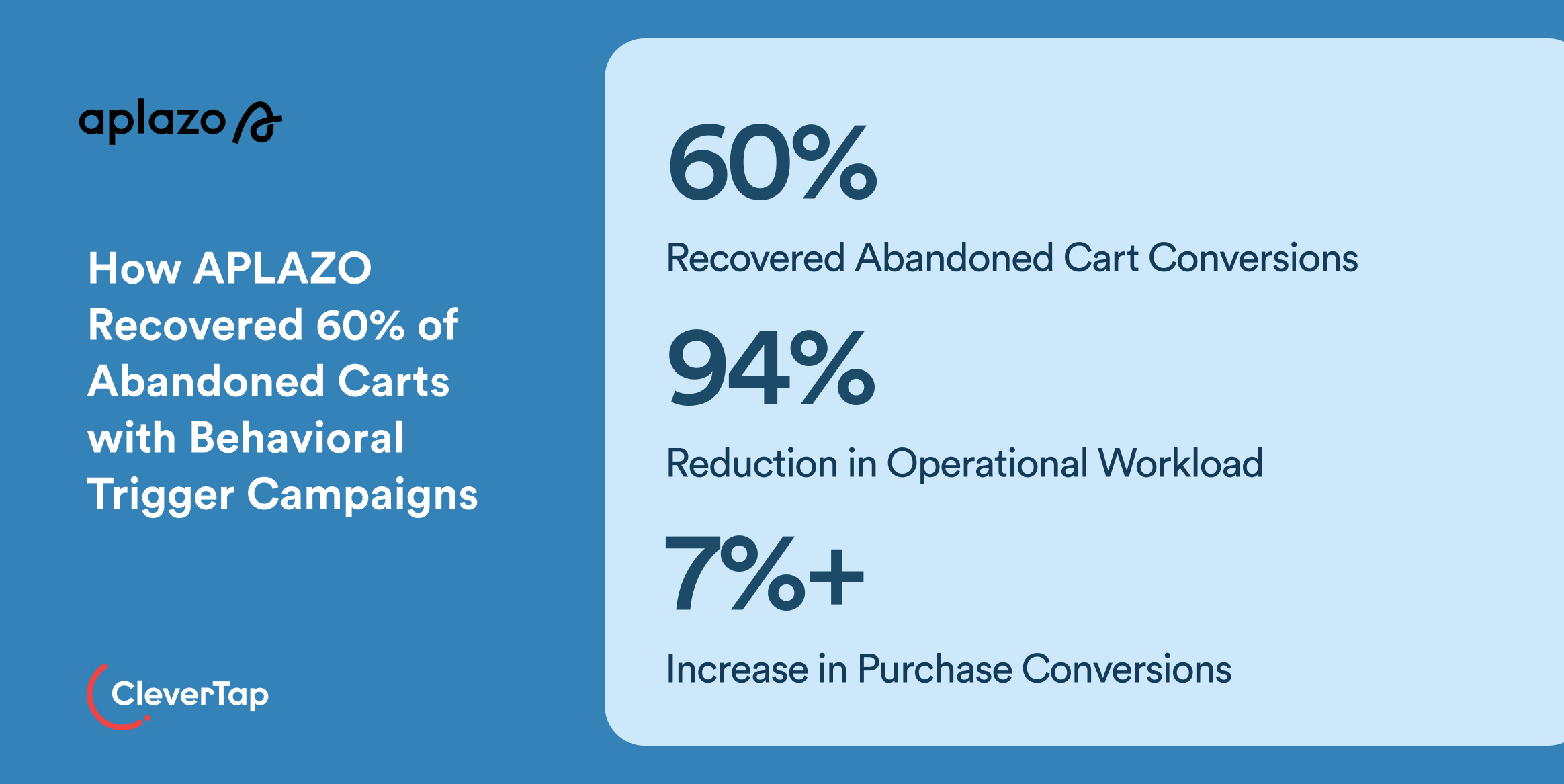
Example: Buy-now-pay-later provider Aplazo implemented automated cart recovery journeys and generated a 60% increase in completed purchases from abandoned-cart users.
3. Omnichannel Journey Orchestration
KPIs: Cross-channel engagement rate, journey completion rate, NPS
Omnichannel engagement creates a consistent experience across email, SMS, push notifications, WhatsApp, web, and in-app messaging.
Customers rarely engage through a single channel. A coordinated journey ensures each interaction builds upon the previous one, regardless of where the customer responds.
To implement this strategy, create unified customer profiles, establish channel preferences, and design journeys that adapt dynamically based on engagement behavior.
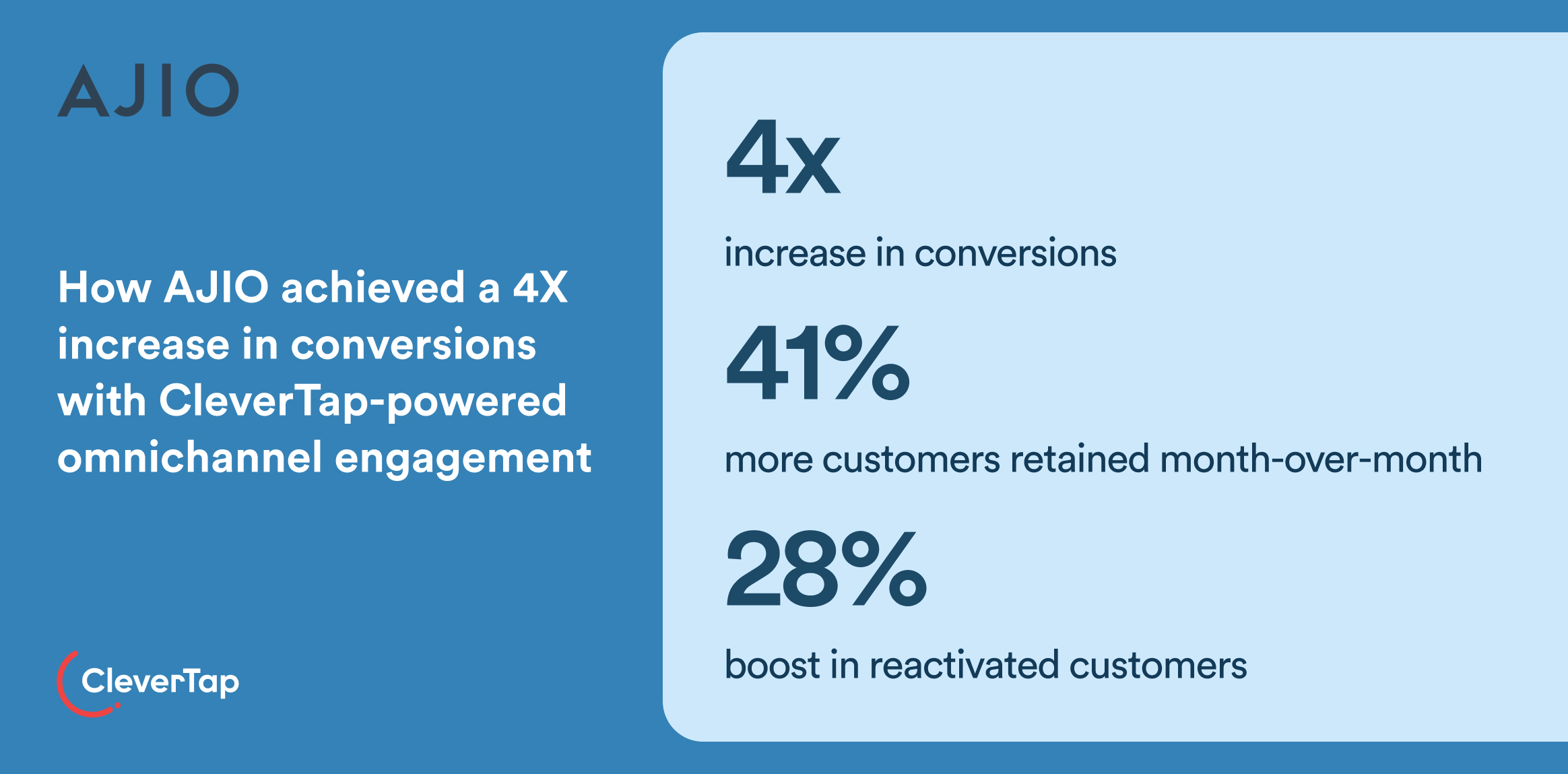
Example: AJIO achieved a 4X Increase in conversions with CleverTap-powered omnichannel engagement. It created personalized omnichannel engagement for every stage of the journey, such as activation, sign-up, app engagement, conversion, and reactivation.
4. Gamification and Loyalty Mechanics
KPIs: DAU/MAU ratio, loyalty participation rate, repeat purchase frequency
Gamification incorporates rewards, milestones, badges, streaks, and challenges into the customer experience.
These mechanics encourage repeat behavior by creating a sense of progress and achievement. Even small rewards can motivate customers to return regularly.
Businesses should identify high-value actions such as purchases, referrals, reviews, or feature adoption and attach meaningful rewards to them.
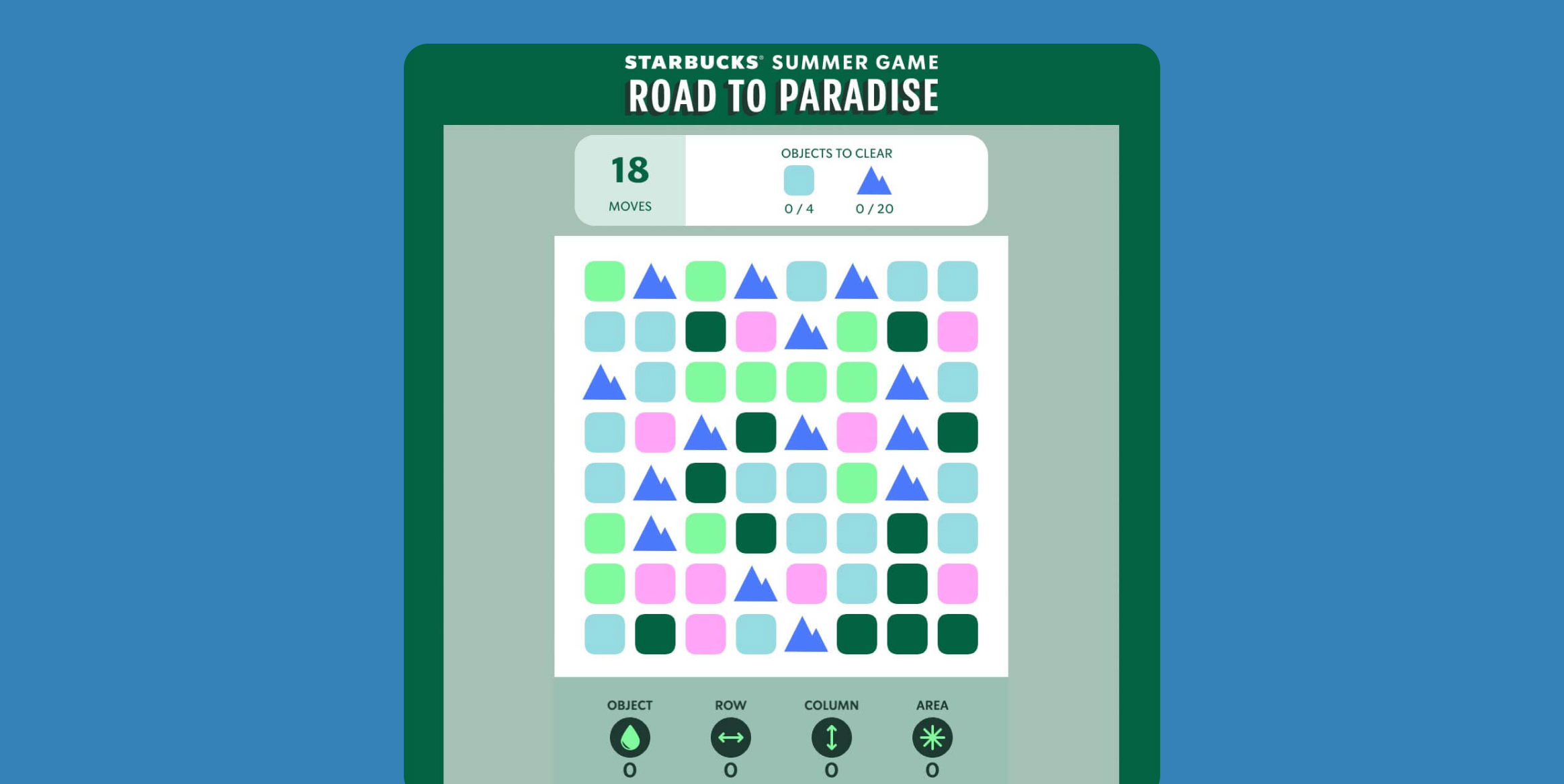
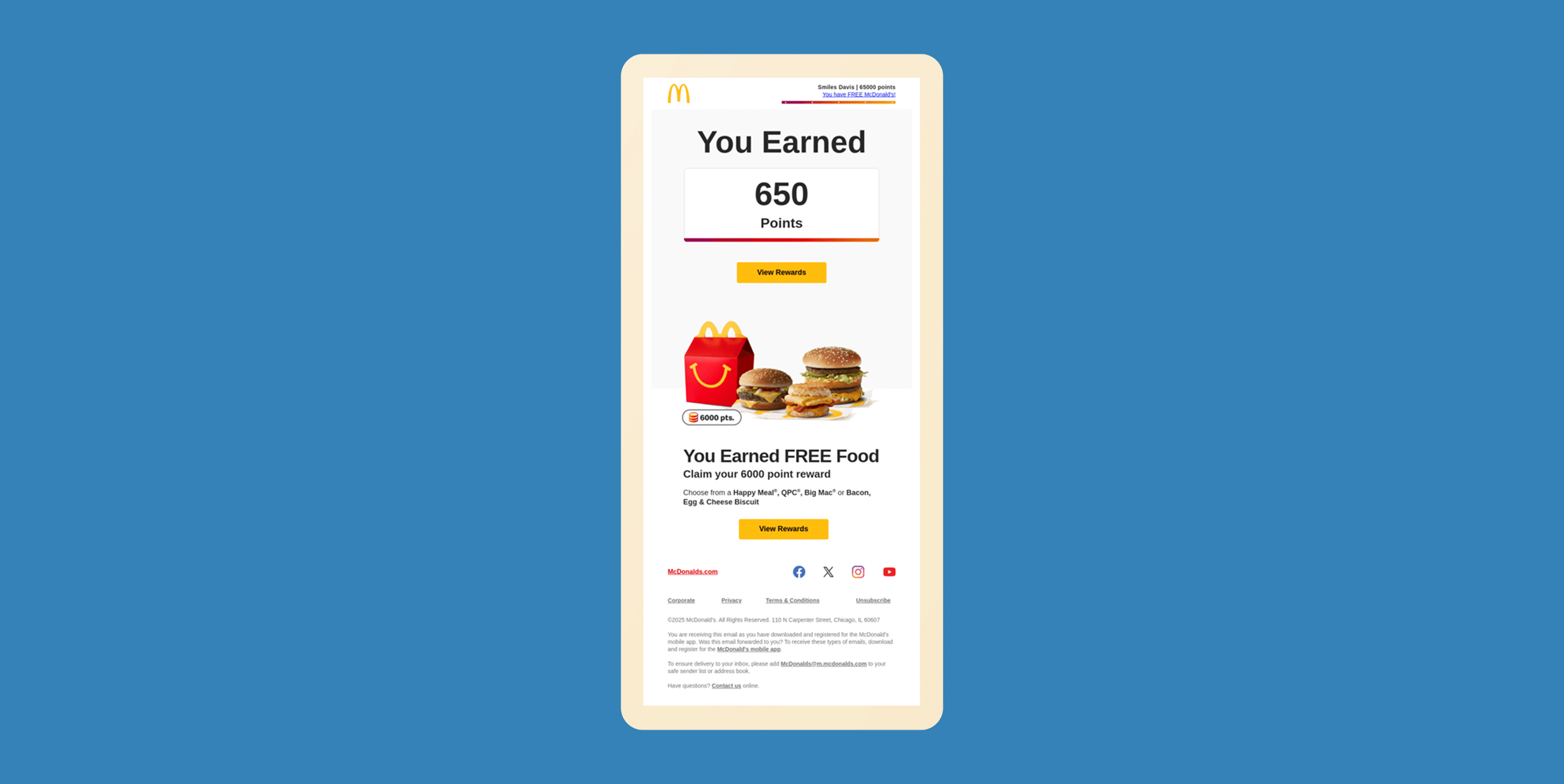
Example: Starbucks leverages digital gamification. Customers earn Stars for purchases and unlock rewards, personalized offers, and exclusive perks, encouraging repeat visits and long-term loyalty.
5. AI-Powered Personalization and Recommendations
KPIs: Recommendation CTR, upsell conversion rate, revenue per session
Personalized recommendations use customer behavior and preferences to surface relevant products, content, or offers.
When customers see options aligned with their interests, they are more likely to engage and convert. Recommendation engines also help customers discover products they may not have found independently.
Organizations can begin with collaborative filtering and browsing-history recommendations before advancing to more sophisticated predictive models.
Example: Streaming platforms (Netflix, Prime Video) and e-commerce brands (Amazon, Nykaa, Myntra) frequently use recommendation engines to drive deeper engagement and increase average order value.
6. Contextual In-App Messaging and Nudges
KPIs: In-app message CTR, feature adoption rate, session depth
In-app messages are delivered while users are actively interacting with a product. These may include tooltips, banners, modals, coach marks, or product walkthroughs. Because they appear within the user experience, they can influence behavior at the exact moment a decision is being made.
Trigger messages based on session activity, feature discovery opportunities, onboarding milestones, or upgrade eligibility.
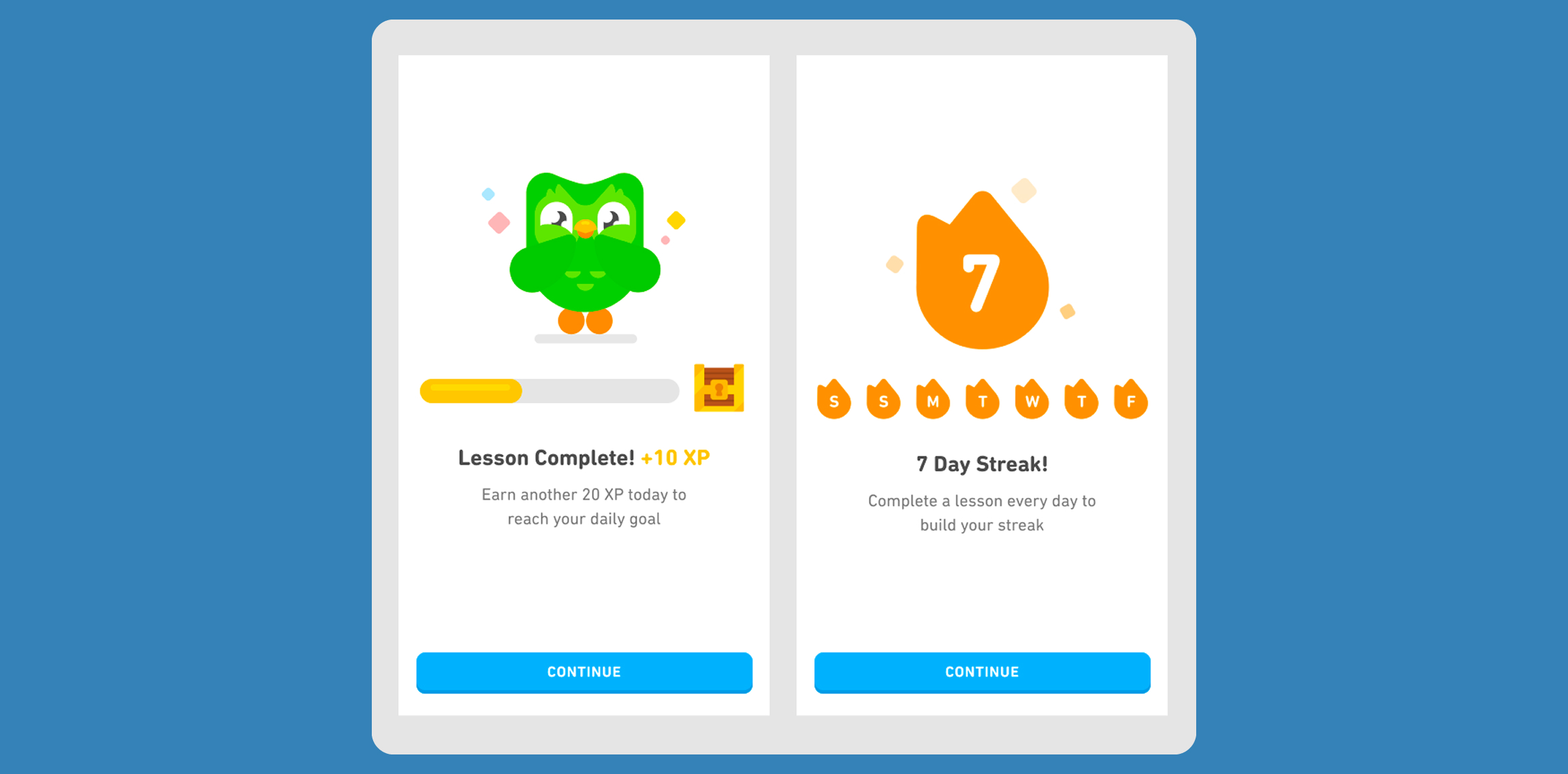
Example: Duolingo displays contextual prompts when users are close to losing a streak or completing a milestone, encouraging them to take immediate action and continue learning, thus increasing session depth.
7. Proactive Customer Education Sequences
KPIs: Feature adoption rate, support ticket volume, NPS
Customer education programs help users understand how to extract maximum value from a product or service. Users who understand key features and workflows are more likely to remain active and less likely to require support.
Effective programs combine tutorials, email courses, knowledge-base content, webinars, and in-app guidance.
Example: Notion combines onboarding guides, template galleries, help-center resources, and educational content to help users master new workflows and increase feature adoption over time.
8. Win-Back Campaigns for Dormant Users
KPIs: Reactivation Rate, Cost per Reactivated User, 30-Day Retention Post-Reactivation
Win-back campaigns target customers who have become inactive after a defined period.
Reactivating an existing customer is generally far less expensive than acquiring a new one, making re-engagement programs an important component of retention strategy.
Segment dormant users based on recency and past behavior, then create a sequence combining reminders, incentives, and urgency.
Example: E-commerce brands might offer exclusive discounts to customers who have not purchased in the last 90 days while highlighting new products aligned with previous purchases.
9. Voice of Customer Feedback Loops
KPIs: NPS, CSAT, Survey Response Rate, Detractor Recovery Rate
Voice of Customer programs capture feedback throughout the customer journey using surveys, ratings, and feedback requests.
These programs help organizations understand customer sentiment while identifying opportunities for improvement.
Survey requests can be triggered after purchases, onboarding milestones, customer support interactions, or product updates.
The most effective programs don’t stop at collecting feedback. They use responses to improve experiences and proactively address concerns raised by dissatisfied customers.
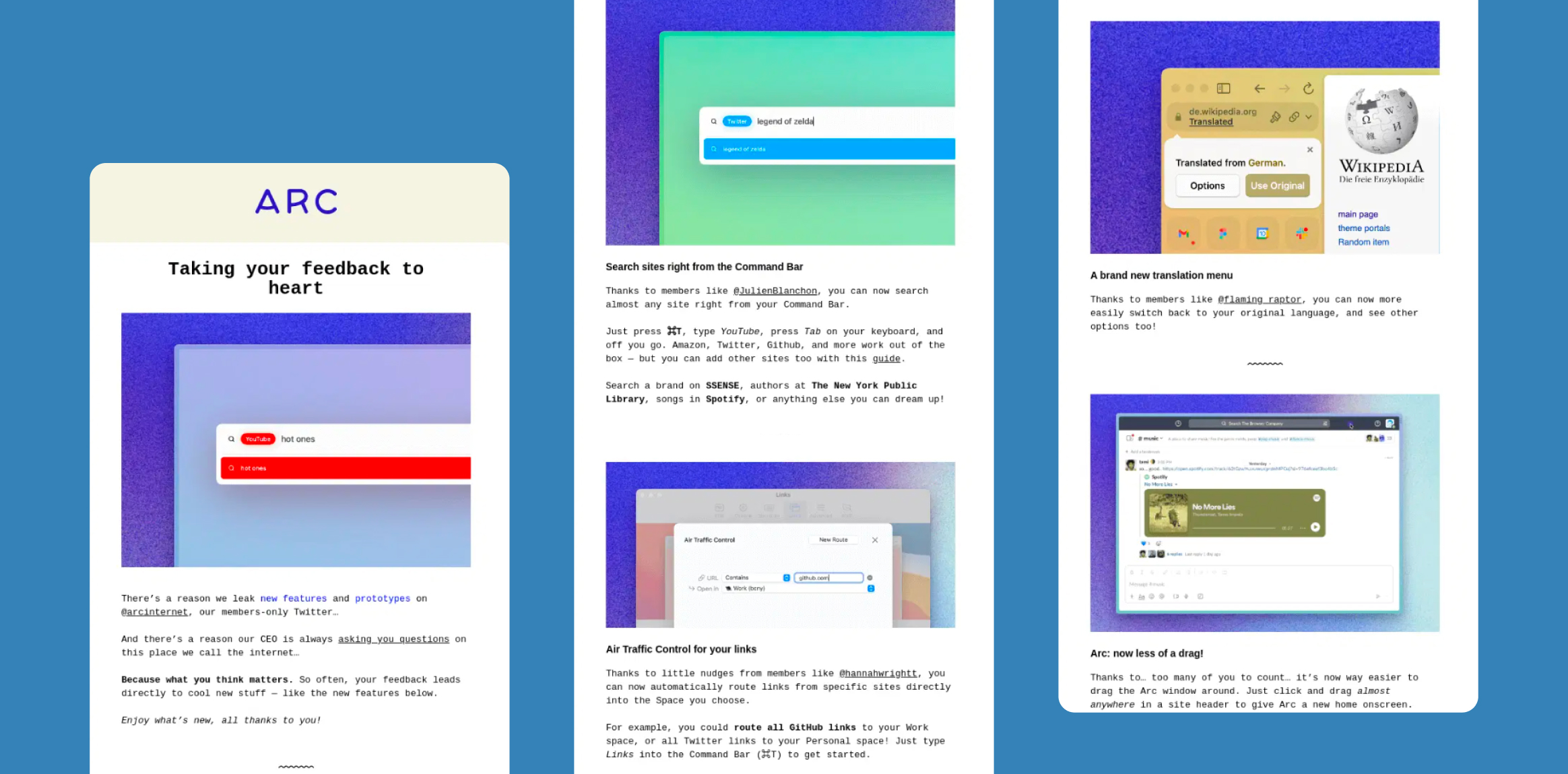
Example: The Browser Company informs users when requested features are released, demonstrating that customer feedback drives product improvements and strengthening trust in the brand.
10. Predictive Engagement Using Churn and LTV Scoring
KPIs: Churn Reduction Rate, Predicted LTV Lift, Retention Campaign ROI
Predictive engagement uses churn-risk and lifetime-value models to identify customers who require intervention before important outcomes occur.
Instead of waiting for customers to become inactive, businesses can proactively engage at-risk users with retention offers, personalized support, or feature recommendations.
Implementation typically begins with scoring users based on factors such as engagement frequency, transaction history, feature usage, and support interactions.
Example: A subscription business might automatically enroll high-risk customers into a retention journey while presenting premium offers to users with high predicted lifetime value.
Metrics and KPIs for Your Digital Engagement Strategy
Measuring digital engagement requires tracking both customer activity and business impact. Leading indicators show whether users are actively engaging with your product, while lagging indicators reveal whether those interactions are driving retention, loyalty, and revenue.
Leading Indicators (Engagement Health)
These metrics provide an early signal of engagement performance:
- DAU/MAU Ratio (Stickiness) = (Daily Active Users ÷ Monthly Active Users) X 100
- Push Opt-In Rate = (Users Opted In ÷ Total Users) X 100
- In-App Message CTR = (Message Clicks ÷ Message Impressions) X 100
- Session Depth = Total Actions or Screens Viewed ÷ Total Sessions
- Onboarding Completion Rate = (Users Completing Onboarding ÷ Total New Users) X 100
- Feature Adoption Rate = (Feature Users ÷ Eligible Users) X 100
Strong performance across these metrics indicates that customers are finding value and engaging consistently with your product.
Lagging Indicators (Business Outcomes)
These metrics measure the long-term business impact of engagement efforts:
- 30/60/90-Day Retention Rate = (Users Active After X Days ÷ Users Acquired in Cohort) X 100
- Churn Rate = (Customers Lost During Period ÷ Customers at Start of Period) X 100
- Customer Lifetime Value (LTV) = Average Revenue per Customer X Average Customer Lifespan
- Net Promoter Score (NPS) = % Promoters − % Detractors
- Repeat Purchase Rate = (Customers with Multiple Purchases ÷ Total Customers) X 100
- Revenue per Engaged User = Total Revenue ÷ Number of Engaged Users
While engagement metrics provide useful signals, the ultimate measure of success is their impact on retention, customer lifetime value, and revenue growth. Reviewing leading and lagging indicators together helps connect engagement activities to meaningful business outcomes.
How CleverTap Helps You Build and Scale Your Digital Engagement Strategy
Building an effective digital engagement strategy requires a unified view of customer behavior, real-time insights, and the ability to deliver personalized experiences at scale. The robust customer engagement platform CleverTap brings these capabilities together in a single platform.
- Unifies customer data across touchpoints: CleverTap consolidates first-party customer data from mobile apps, websites, and other digital channels into a single customer view, helping teams understand behavior, preferences, and engagement patterns throughout the customer lifecycle.
- Enables advanced behavioral segmentation: Marketers can create audience segments based on actions, feature usage, purchase behavior, engagement frequency, and lifecycle stage, making campaigns more relevant and effective.
- Supports lifecycle-based engagement: Teams can design and automate onboarding, activation, retention, loyalty, and win-back journeys using real-time customer behavior and engagement signals.
- Orchestrates omnichannel experiences: CleverTap enables coordinated engagement across push notifications, email, SMS, WhatsApp, in-app messaging, and web push, ensuring customers receive consistent communication across channels.
- Delivers personalization at scale: Using behavioral insights and recommendation capabilities, brands can tailor content, messaging, and offers to individual users, increasing engagement and conversions.
- Provides real-time analytics and insights: Teams can monitor retention, engagement, feature adoption, conversions, and revenue metrics from a single dashboard, making it easier to identify opportunities for optimization.
- Supports experimentation and optimization: Built-in A/B testing, control groups, and campaign analytics help teams continuously refine journeys and improve performance based on real customer behavior.
- Enables proactive engagement: Predictive capabilities help identify customers who may be at risk of churn and support targeted retention initiatives before disengagement occurs.
- Delivers proven business outcomes: Fintech platform Kippa used CleverTap’s journey orchestration and segmentation capabilities to increase user activations by 6%. Tata CLiQ Luxury leveraged CleverTap to run more than 300 coordinated campaigns daily, resulting in a 150% increase in click-through rates and a 159% lift in campaign-attributed revenue.
- Helps brands mature their engagement strategy: By combining customer data, journey orchestration, analytics, personalization, and automation in one platform, CleverTap enables organizations to build stronger customer relationships, improve retention, and drive sustainable growth.
As customer expectations continue to rise, digital engagement has become a competitive advantage rather than a marketing initiative. The brands that succeed are those that can understand customer behavior, respond in real time, and deliver relevant experiences consistently across channels.
Achieving that level of engagement requires more than individual campaigns. It requires the ability to unify customer data, orchestrate lifecycle journeys, personalize interactions, and continuously optimize performance. By bringing these capabilities together in a single platform, CleverTap helps businesses move from reactive engagement to data-driven, customer-centric engagement that strengthens retention, loyalty, and long-term growth.
Learn how CleverTap helps brands move from reactive campaigns to intelligent, lifecycle-driven customer engagement.

Sagar Hatekar 
Leads product managementExpert in Marketing Analytics & Engagement platforms.
Free Customer Engagement Guides
Join our newsletter for actionable tips and proven strategies to grow your business and engage your customers.