


































Table of Contents
Categories
Most Popular


Acquiring a new user is a victory, but it is still only the first step in building a sustainable business. When that initial download or purchase doesn’t lead to repeat engagement, your acquisition spend amounts to nothing.
Customer retention is where real profitability and long-term brand equity live. For growth teams, lifecycle marketers, and CRM managers, reducing churn is an ongoing battle, and relying solely on acquisition is an expensive way to scale.
This guide delivers 12 actionable, data-driven customer retention strategies covering cross-channel journeys, behavioral segmentation, and proactive churn prevention. If you’re building out your retention program or looking to sharpen an existing one, these tactics will help you turn one-time interactions into predictable, repeat revenue.
What Is Customer Retention and Why It Matters
Customer retention refers to a business’s ability to keep its existing customers active, engaged, and transacting over time. It encompasses the strategies and processes a brand uses to prevent churn, encourage repeat purchases, and maximize the customer lifetime value (CLTV) of every buyer. Rather than treating a conversion as the finish line, retention-focused marketers treat it as the entry point into a long-term relationship.
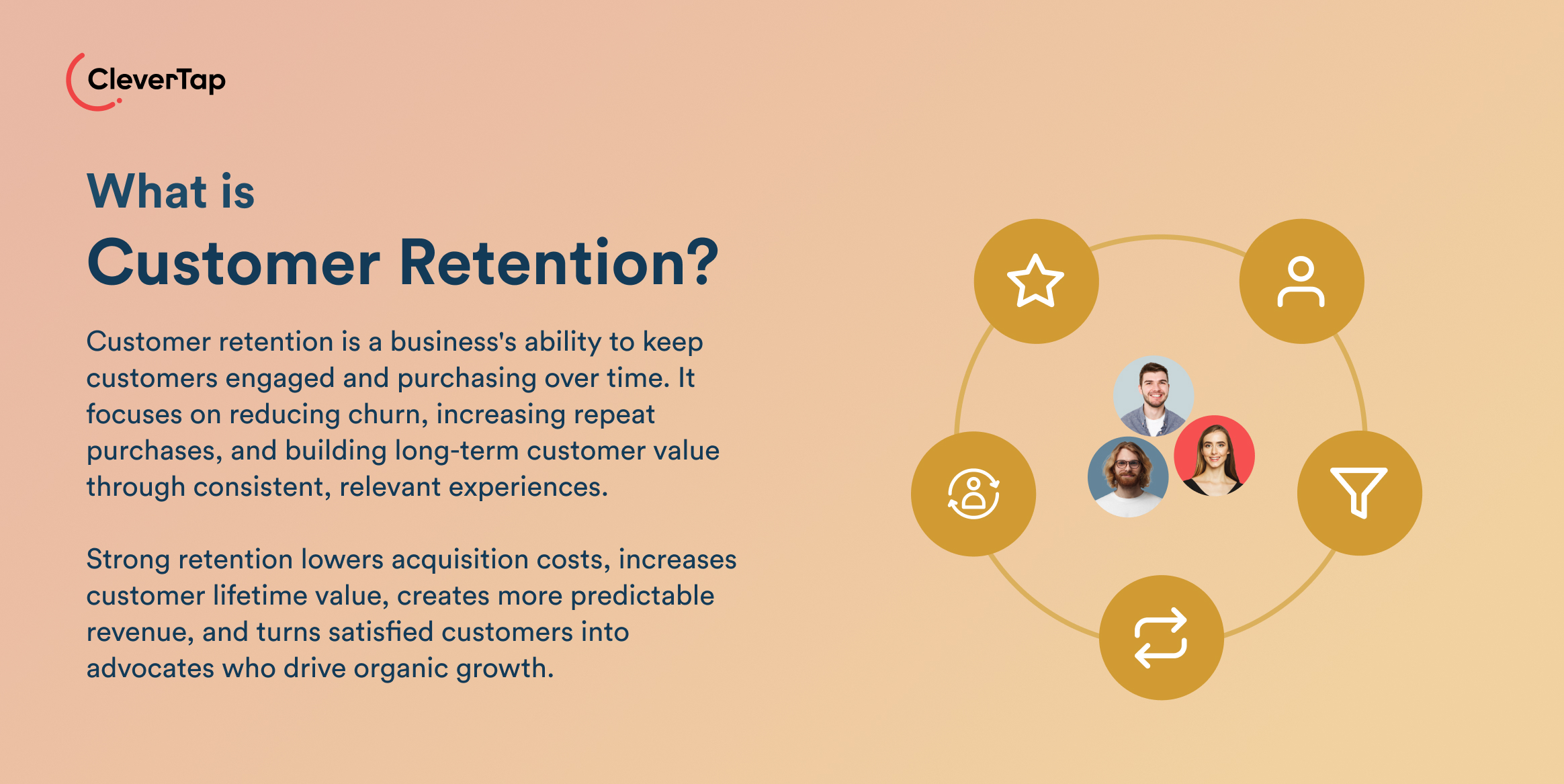
Prioritizing retention has a direct and measurable impact on your bottom line:
- Compounding Cost Efficiency: Retaining an existing customer is significantly more cost-effective than acquiring a new one, reducing dependence on expensive top-of-funnel campaigns.
- Higher Profitability: Returning customers demonstrate higher conversion rates and larger average order values over time compared to first-time buyers.
- Predictable Revenue: A strong retention rate creates a stable revenue baseline, making growth easier to forecast and sustain.
- Organic Advocacy: Loyal customers naturally become brand ambassadors, driving high-intent referrals through word-of-mouth at virtually no acquisition cost.
The shift toward retention also changes how you use customer data. Instead of a static record of past transactions, behavioral data becomes an active tool for predicting needs, personalizing engagement, and intervening before a customer churns. Every successful acquisition compounds in value when retention is built into the system.
Also read: How to Use AI for Customer Retention With Strategies That Drive Measurable Growth
12 Customer Retention Strategies and Tactics
Here are 12 proven customer retention strategies to keep your customers engaged, loyal, and coming back.
1. Create a Smooth Onboarding Experience
The first 48 hours after a user signs up largely determine whether they stick around. Fragmented onboarding flows create immediate friction, causing drop-offs before users ever experience the core value of your product. The goal is a guided, contextual path that minimizes cognitive load and gets users to their first meaningful outcome as fast as possible.
- Map the Critical Path: Identify the minimum actions required for a user to experience value and strip out every non-essential step from the initial sequence
- Deploy Contextual In-App Nudges: Use tooltips and progressive disclosure to guide users through complex steps only when they reach the relevant screen—not all at once
Pro Tip: Track time to first value. Faster activation leads to higher retention.
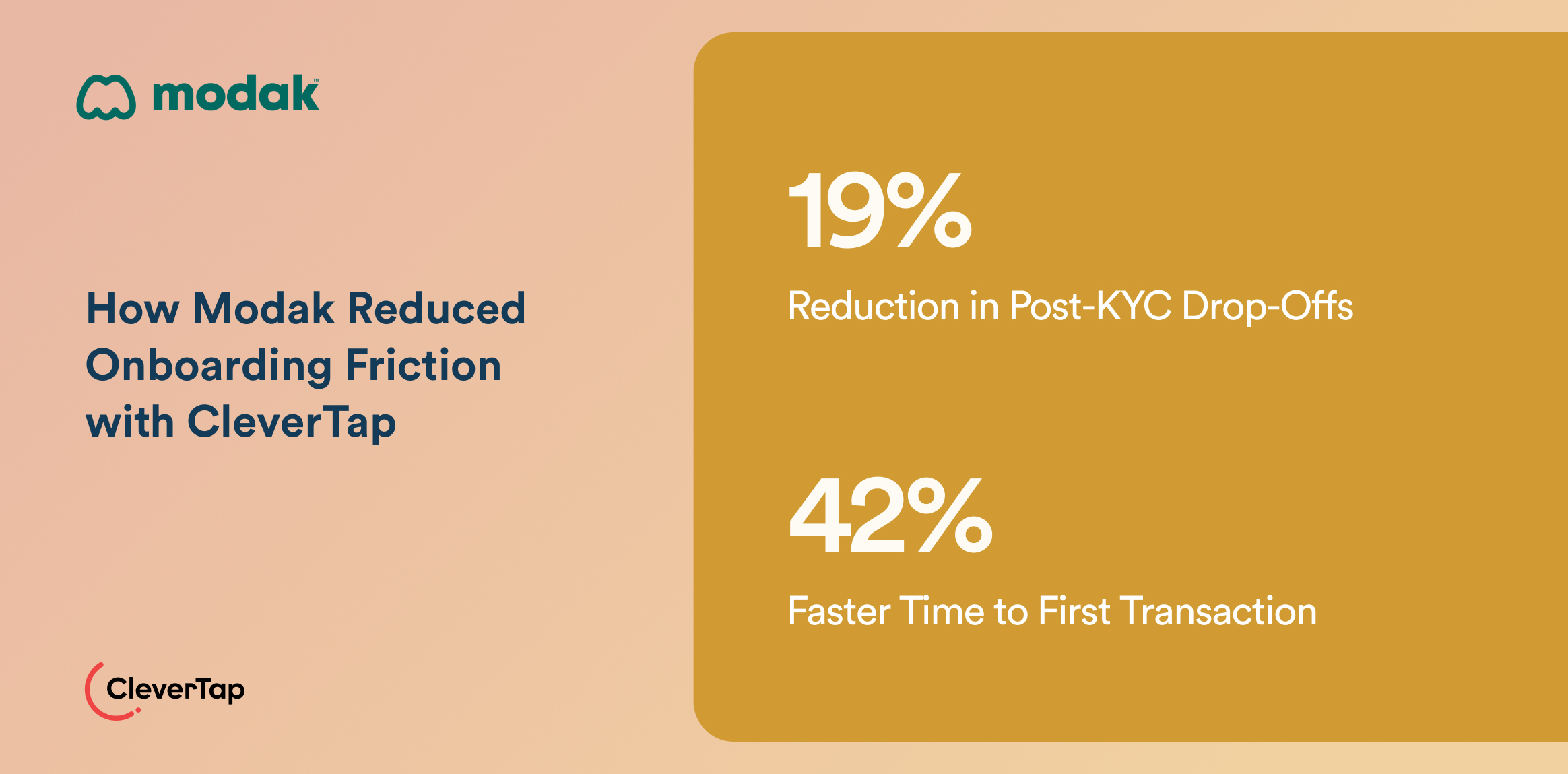
Fintech platform Modak saw steep drop-offs within 24 to 36 hours of users submitting their KYC documentation. By tracking these drop-offs and redesigning reminder cadences to trigger after 48 hours of inactivity, they delivered automated, contextual in-app guidance at exactly the right moment. The result was a 19% quarter-over-quarter reduction in post-KYC drop-offs and a 42% faster time-to-first-transaction for new users.
2. Drive Feature Adoption and Habit Formation
Retention doesn’t stop at onboarding, but there is a longer road ahead. To move a user from curious trialist to high-frequency customer, you need to systematically surface deeper product features that build long-term habits.
The more value a customer discovers inside a product, the harder it becomes to replace and the more likely they are to return. Users who only interact with a single layer of your product are far more vulnerable to churning.
- Expose Secondary Value Pillars: Track which core features remain untouched by active cohorts and deploy targeted campaigns that highlight their specific utility
- Gamify Key Milestones: Use progress bars, usage streaks, and achievement badges to incentivize habitual engagement patterns
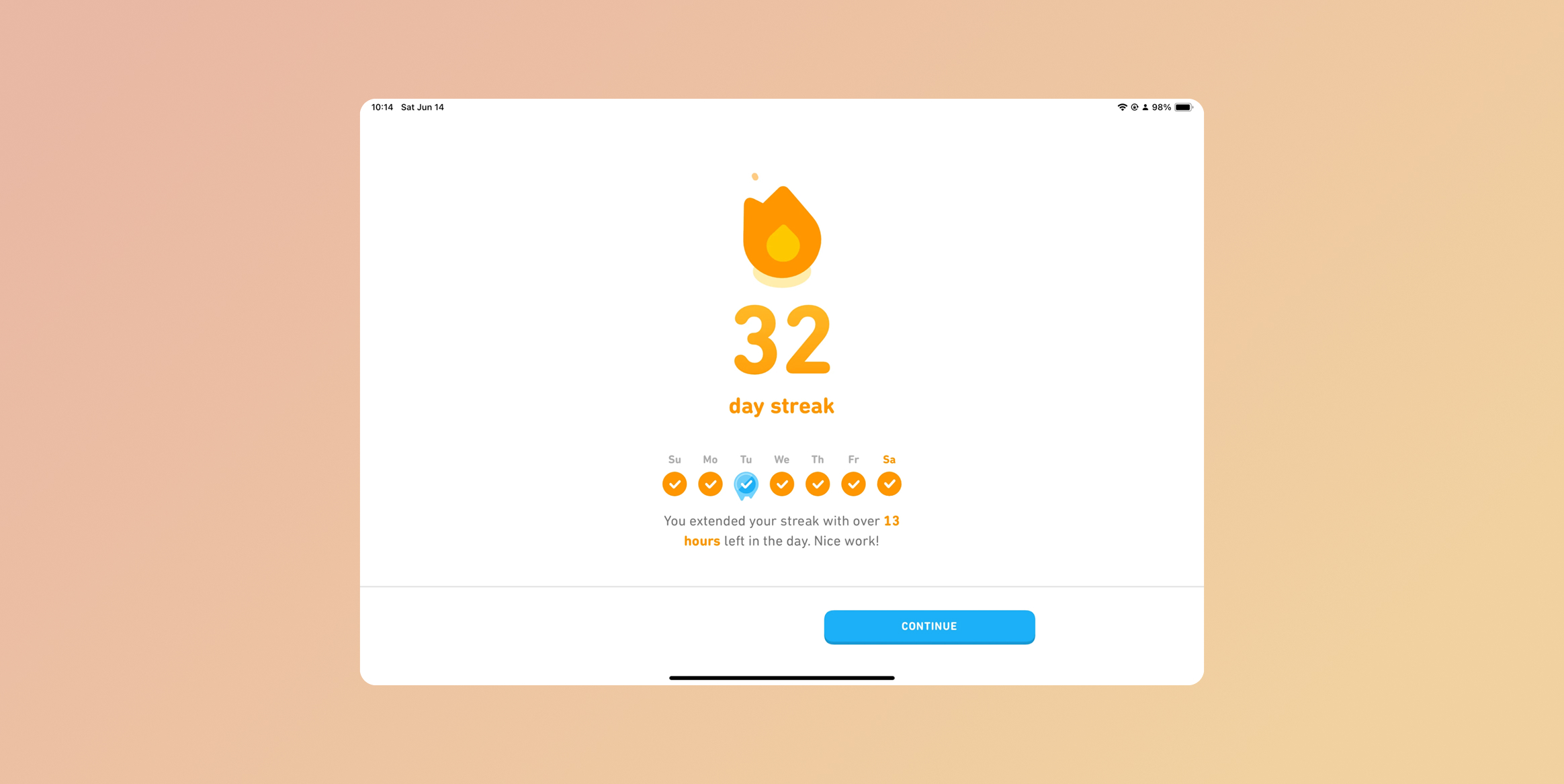
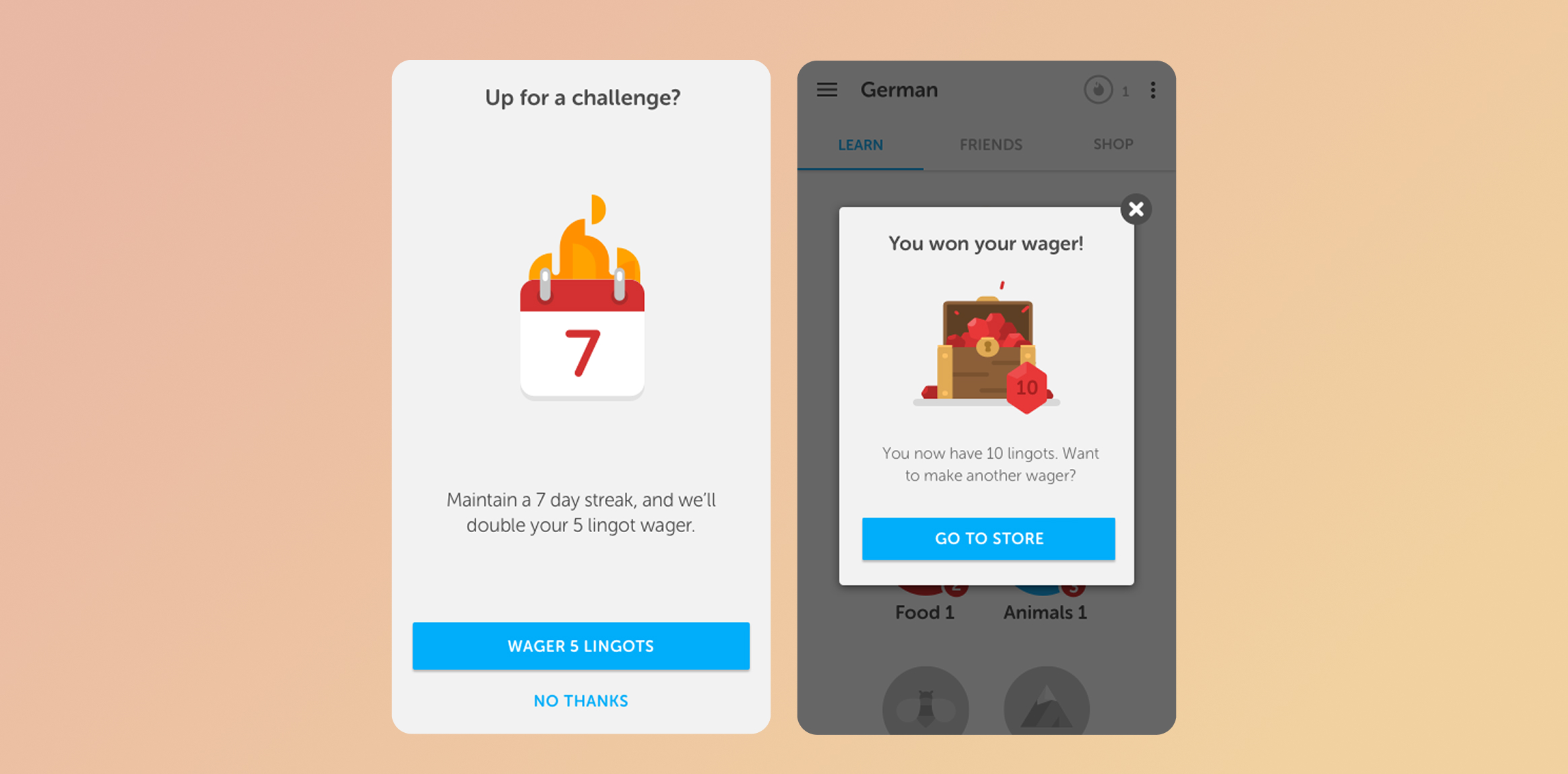
Duolingo’s streak mechanic is a textbook example of habit formation done right. By making daily lesson completion visible and attaching loss aversion to streak counts, the team engineered consistent return behavior directly into the product experience. A/B tests on streak-related features showed statistically significant improvements in Day-1, Day-7, and Day-14 retention, with Day-7 retention showing the greatest lift at 14%.
3. Personalize Customer Experiences Using Behavioral Data
Generic, one-size-fits-all messaging trains your audience to ignore you. Real personalization means forgetting first-name merge tags and actively shaping your messaging, UI elements, and product recommendations around individual, real-time behavioral intent.
- Incorporate Real-Time Intent: Dynamically adjust push and email content based on the exact products, categories, or content a user engaged with in their last session
- Align Delivery Times to Historical Usage: Schedule communications to match the specific hours and days an individual user historically opens your app
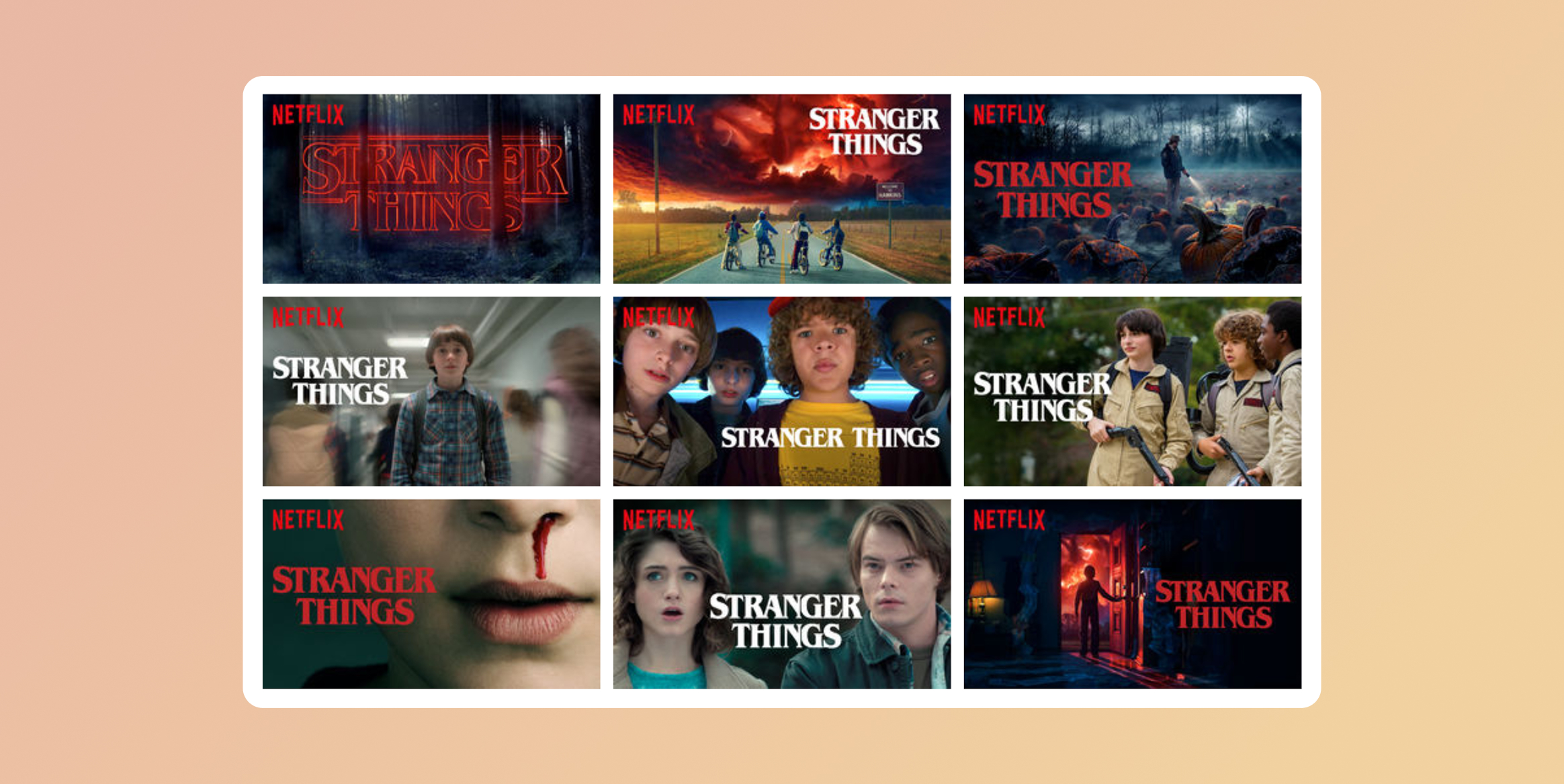
Netflix is a widely cited example of behavioral personalization at scale. Its artwork personalization engine dynamically changes the thumbnail image shown for a title based on each subscriber’s viewing history. For example, a user who watches romantic comedies sees a different image for the same film than an action enthusiast would. The system is designed to increase the likelihood of a user clicking on a title rather than abandoning the browsing session entirely, making it one of the best customer retention strategies.
4. Segment Customers by Lifecycle Stage and Intent
Treating your entire customer base as a single group makes it harder to deliver relevant experiences, increasing the likelihood of disengagement over time. To maximize retention, you need dynamic segmentation models that group users based on their evolving lifecycle stage, purchase frequency, and engagement history and update automatically as behavior changes.
- Establish Dynamic Behavioral Cohorts: Group users into categories such as newly activated, highly active, loyal, dormant, and churn-risk, and keep those definitions tied to real behavior, not arbitrary time thresholds
- Shift From Static to Fluid Lists: Ensure users move between segments automatically in real time, so your messaging never lags behind where a customer actually is
Pro Tip: Real-time segmentation ensures messaging stays relevant as behavior changes.
5. Use Behavioral Trigger-Based Engagement
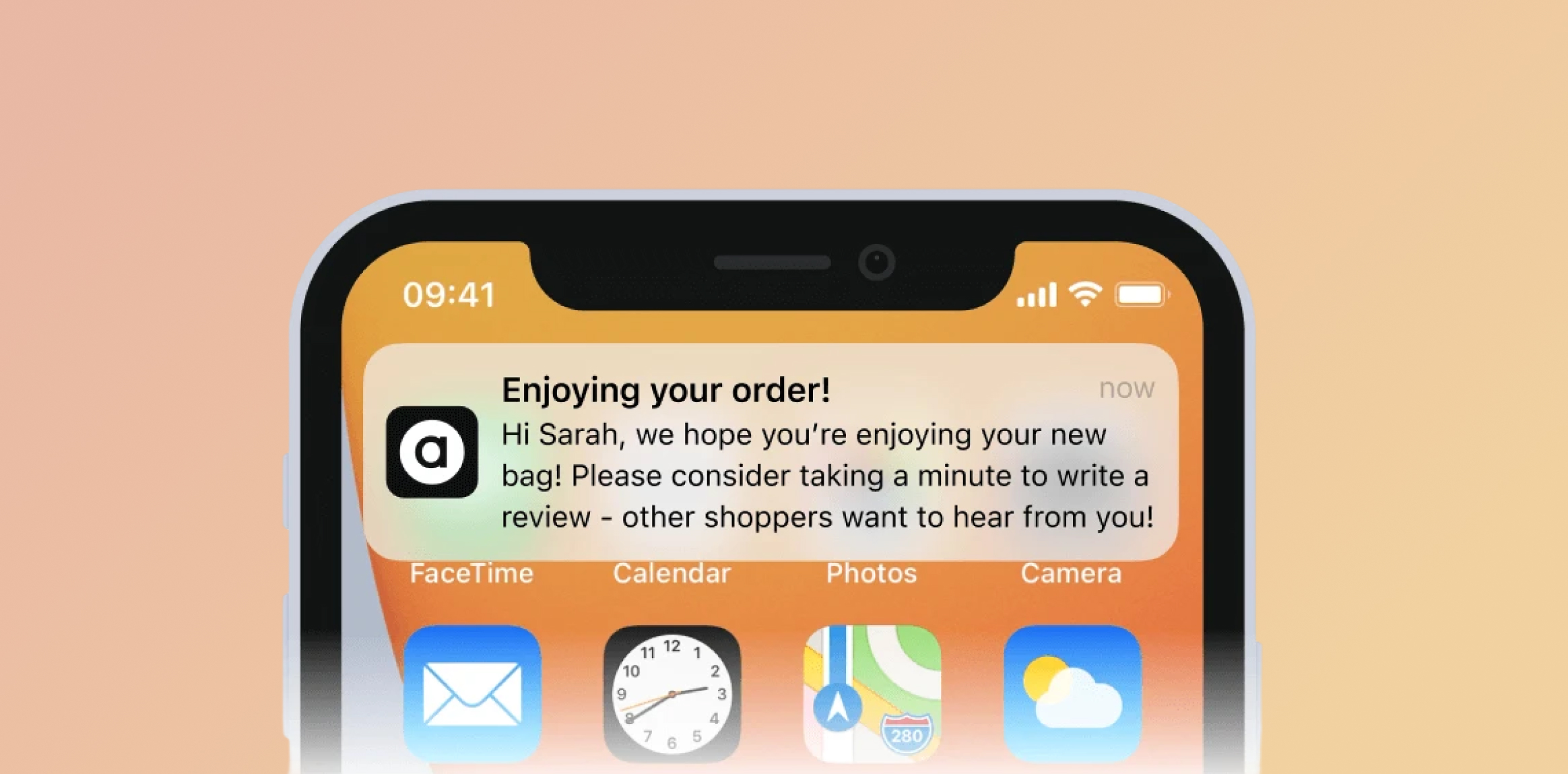
Scheduled blast campaigns are disconnected from what your users are actually doing. High-performing retention strategies rely on event-triggered messages that deploy automatically when a customer takes or fails to take a specific action inside your app or website. The result: communication that feels timely and relevant, not intrusive.
- Deploy Abandoned Cart Automations: Trigger a targeted reminder within a defined recovery window after a checkout sequence is interrupted, such as capturing high-intent revenue before it walks away
- Build Funnel Drop-Off Recovery Loops: Monitor key conversion funnels, like booking steps, registration fields, and upgrade flows, and fire contextual prompts when a user stalls midway
ASOS uses real-time behavior to drive its cart recovery messaging. When an app user abandons items and closes the session, the system automatically triggers a personalized push notification, featuring the exact products left behind, often paired with a low-stock signal, within a two-hour window. The approach removes the guesswork from timing and keeps the message tied directly to what the user intended to buy.
6. Build Loyalty Programs That Reinforce Retention Behaviors
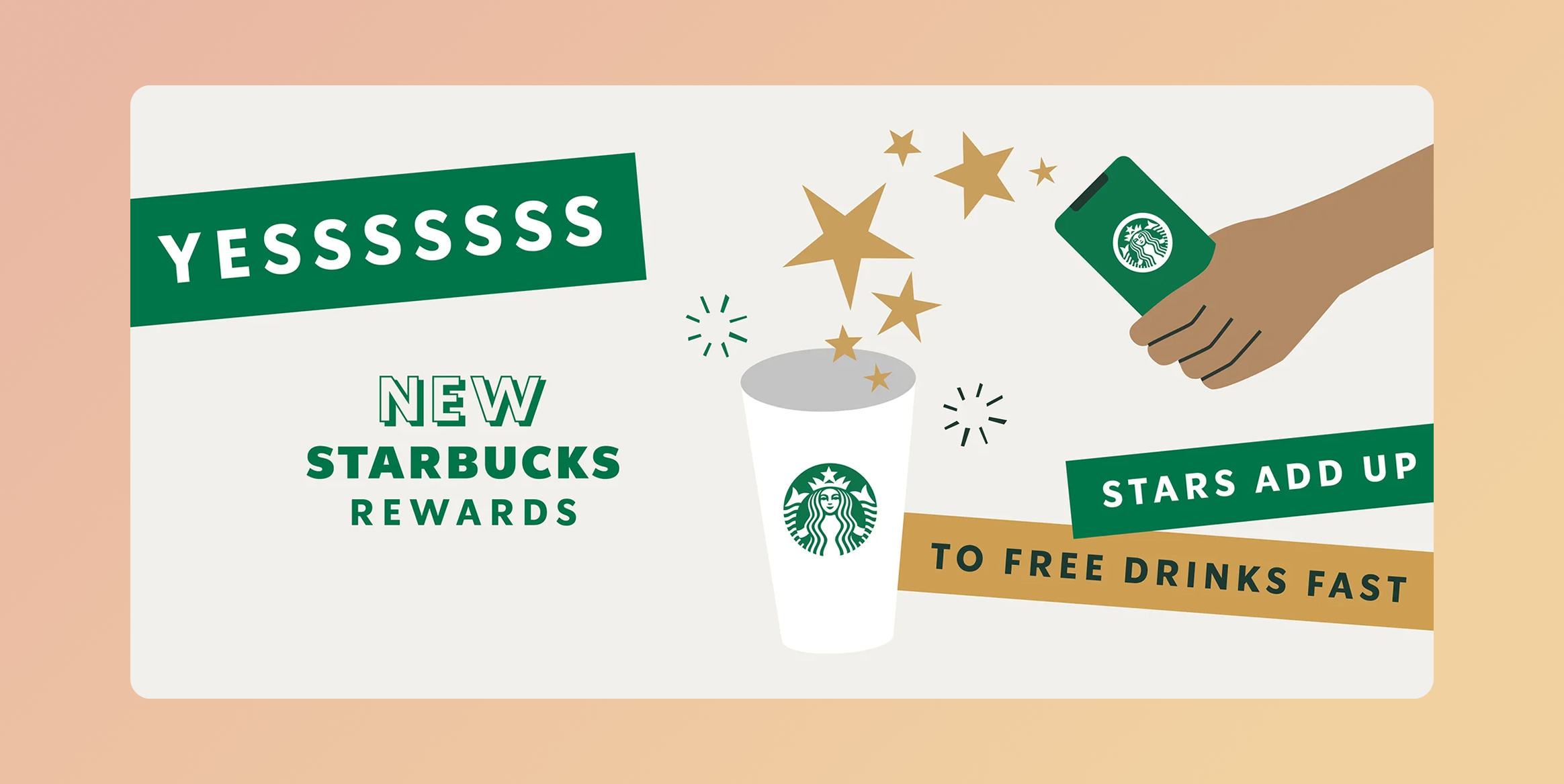
Many loyalty programs focus primarily on spending rather than the broader behaviors that drive long-term retention. A “spend money, earn points” model functions as a discount scheme dressed up as loyalty. It drives transactions, not habits. Modern retention requires building loyalty structures that incentivize the specific non-transactional actions that create long-term product stickiness.
- Reward Non-Transactional Engagement: Allocate points or status progression for actions like completing a user profile, linking a bank account, or hitting a weekly usage streak
- Design Tiered Experiential Benefits: Move beyond flat cashback by introducing VIP tiers that give high-value users exclusive access to premium features, early product drops, or dedicated support lines
Starbucks Rewards is built around behavioral milestones, not just bill totals. Instead of a linear points model, the program uses localized behavior data to trigger custom streak challenges for users to earn bonus stars for ordering on consecutive days or exploring a new menu category. By rewarding frequency and discovery, Starbucks drives consistent habit formation rather than one-off purchases.
7. Orchestrate Omnichannel Customer Engagement
Sending the same promotional message across push, email, SMS, and WhatsApp does not make your strategy omnichannel. It makes it noisy. When users feel bombarded by repetitive messaging across multiple touchpoints, they mute notifications or uninstall entirely. True omnichannel orchestration means unifying your channels into a single cohesive system where each message responds dynamically to how the user interacted with the previous one.
- Establish Centralized Journey Logic: Build multi-channel communication paths that check for user interactions in real time so a customer who already opened your email does not receive the same message as a push notification an hour later
- Match Content Format to User Context: Reserve deep-dive content for long-form email layouts, and keep push and SMS channels for urgent, time-sensitive communication
Pro Tip: Every channel should have a defined role. Duplication is not reach but noise.
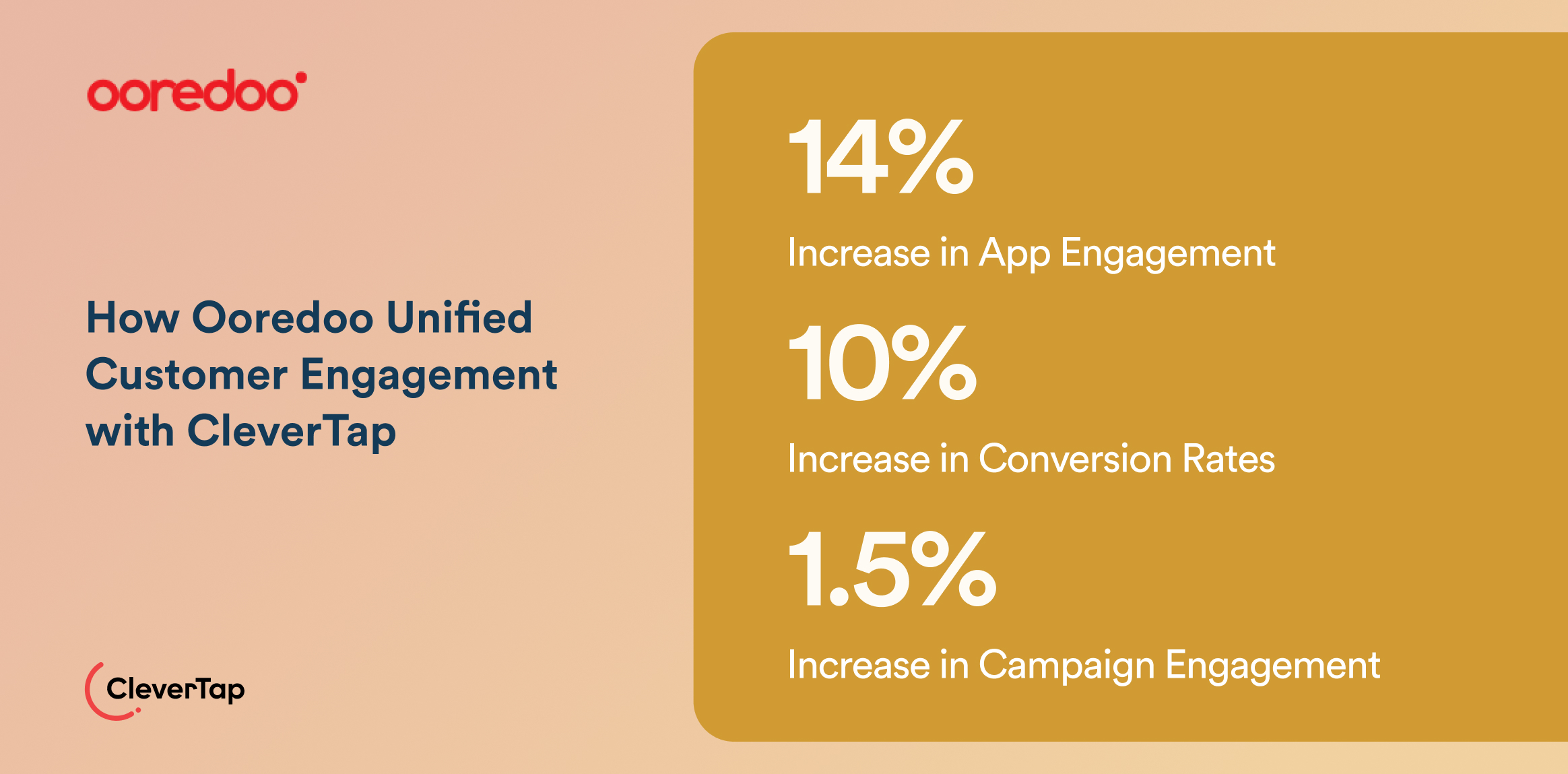
Telecom provider Ooredoo Qatar consolidated their fragmented communication tools into an integrated multi-channel engagement system, mapping coordinated customer journeys across push notifications, in-app messages, WhatsApp, and SMS based on real-time activity data. Moving away from disconnected mass broadcasting, their unified orchestration enabled hyper-targeted engagement at scale, resulting in a 14 percentage point increase in overall app engagement.
8. Re-Engage Users at the First Signs of Inactivity
Waiting until a customer has gone silent for 30 or 60 days to launch a win-back campaign is already too late. By that point, the usage habit is broken, your product is off their radar, and a competitor has likely filled the gap. High-performing retention strategies target early-stage dormancy, catching users the moment their engagement cadence begins to slip, not after it has flatlined.
- Establish Dynamic Inactivity Windows: Define dormancy thresholds based on historical usage cycles rather than static calendar dates. If a daily user has not opened the app in three consecutive days, that is your trigger, not day 30
- Deploy Non-Invasive Win-Back Prompts: Re-engage with personalized push notifications or SMS that lead with immediate value, like a curated content recommendation or a feature tip tied directly to their past behavior
Pro Tip: Define what inactivity looks like for your specific product before you need to act on it. Reactive win-back campaigns are significantly harder to convert than early intervention.
9. Create Moments of Appreciation and Emotional Connection
When customer relationships are purely transactional, loyalty only lasts until a competitor offers a better price. Building long-term retention means moving past rational incentives and cultivating a genuine emotional connection with your users. Celebrating milestones, acknowledging anniversaries, and introducing unexpected rewards shifts your brand from a service they use to one they actually value.
- Celebrate Individual Customer Milestones: Trigger dynamic, shareable summaries when users hit significant usage landmarks, like their 50th order, 100th streaming hour, or one-year account anniversary
- Introduce Unexpected Value Upgrades: Disburse occasional, unprompted rewards, such as a free shipping credit, a complimentary product sample, or temporary access to a premium tier, with no purchase or action required in return.
10. Turn Customers into Advocates and Communities
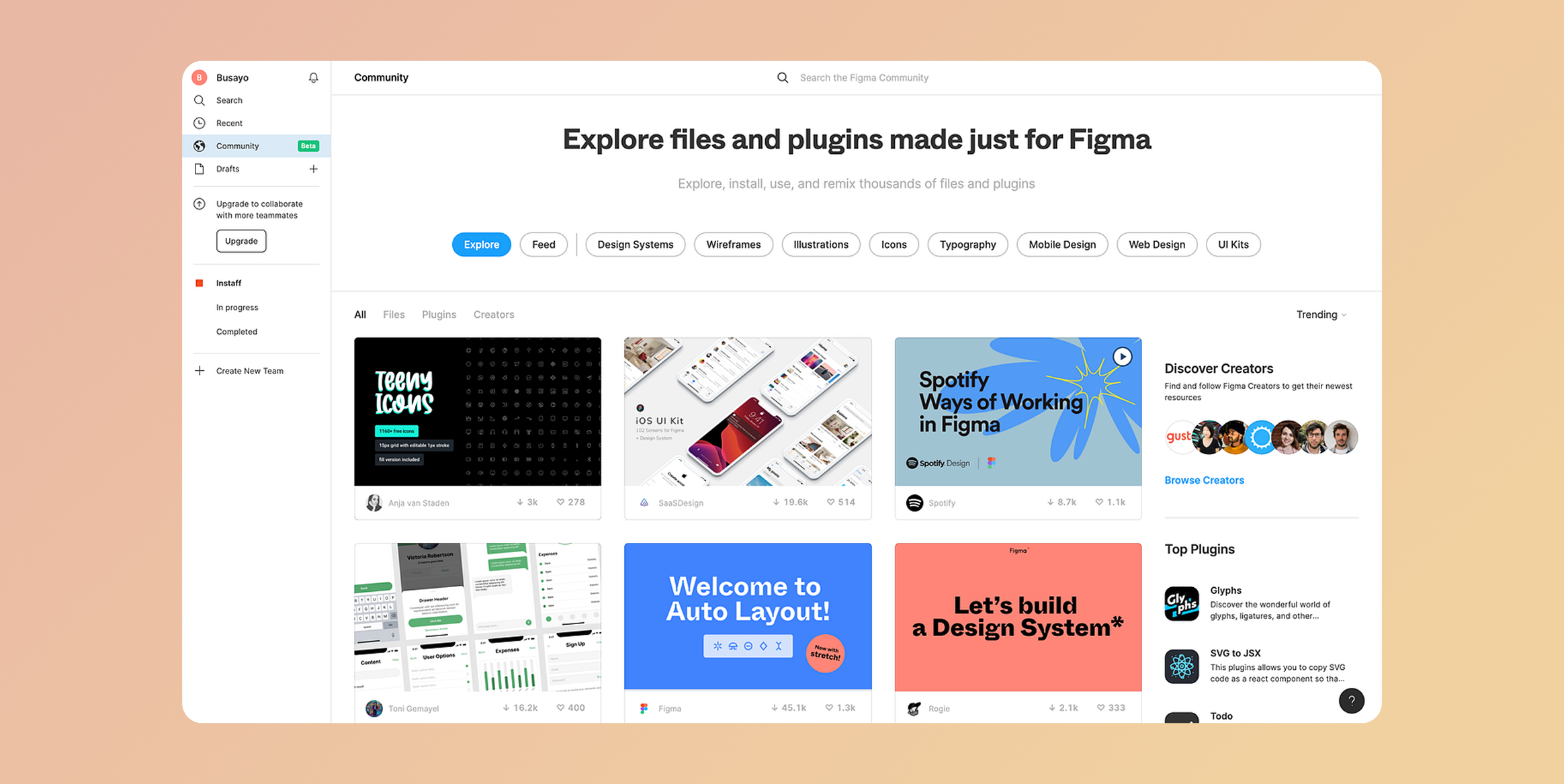
The strongest retention signal is when customers stop thinking of themselves as users and start identifying as part of something larger. When you give people a platform to connect with peers, share strategies, and invite friends, you turn an isolated product experience into a shared social habit. Referral networks and collaborative spaces create an organic retention loop where the platform becomes more valuable with every new connection a user makes.
- Design Mutual-Value Referral Programs: Build referral loops that reward both the advocate and the new user with immediate platform utility or credits, aligning the incentive with continued engagement, not just sign-up
- Facilitate Peer-to-Peer Sub-Communities: Create dedicated forums, user groups, or in-product spaces where customers can share tips, answer questions, and showcase their work
Figma built a community directly into the product. Rather than keeping users isolated in private workspaces, Figma launched a public ecosystem where designers and developers can publish templates, UI kits, and widgets for others to use freely. The more the community contributes, the more valuable the platform becomes for every user on it, creating a network effect that makes switching away increasingly difficult.
11. Identify and Act on Churn Risk Early
By the time a user requests a cancellation or deletes your app, the window to intervene has already closed. Real churn prevention means identifying structural friction points before they compound, continuously monitoring behavioral signals and flagging at-risk accounts while there is still something to salvage.
- Establish Behavior-Based Risk Thresholds: Monitor for early drop-off signals in real time, like a sharp decline in login frequency, fewer active team members on an account, or a complete halt in core feature usage
- Create Pre-Emptive Support Escalations: Automatically flag users who have hit multiple technical issues or have unresolved support tickets within a short window, and route them to a customer success representative before frustration turns into a decision to leave
Pro Tip: Use churn scoring models to prioritize intervention. Not every at-risk user requires the same response, and your highest-value accounts should never be the last ones you reach.
12. Align Acquisition with Retention Outcomes
High growth numbers mean nothing if your marketing team is pulling in thousands of low-intent users who abandon the product within 48 hours. That is bleeding acquisition spend. Long-term retention begins at the top of the funnel by deliberately aligning your ad targeting, channel mix, and messaging to attract users whose needs your product is actually built to solve.
- Optimize for Quality over Volume: Shift your team’s primary KPIs away from vanity metrics like cost-per-click or raw install counts, and tie performance directly to down-funnel retention milestones, with Day 7 and Day 30 active usage being the most telling
- Refine Messaging to Set Accurate Expectations: Sensationalized ad copy drives cheap clicks but creates a disconnect the moment a user experiences the actual product, and that gap is where early churn is born
Pro Tip: Identify which acquisition channels brought in your highest-LTV users and double down on those sources. Your best retention strategy might already be hidden in your attribution data.
How CleverTap Helps Improve Customer Retention
CleverTap is an all-in-one customer engagement and retention platform designed to help brands build stronger customer relationships and drive long-term loyalty. It combines customer data, analytics, segmentation, automation, and omnichannel engagement in a single platform, making it easier for teams to understand customer behavior and act on it in real time.
Executing retention strategies at scale requires more than one-off campaigns. It requires understanding where customers are in their lifecycle, recognizing signs of disengagement, and responding with the right message at the right time. CleverTap brings these capabilities together, helping teams turn retention strategies into repeatable, measurable processes instead of isolated marketing efforts.
- Turn onboarding into activation: Build automated onboarding journeys that guide users toward key actions through contextual messages across push notifications, in-app messages, email, SMS, and WhatsApp. Use funnel analysis to identify where users drop off and trigger interventions that help them reach value faster.
- Identify and engage the right customer segments: Create real-time audience segments based on lifecycle stage, engagement patterns, interests, inactivity, purchase behavior, and RFM analysis. As customer behavior changes, segments update automatically, ensuring campaigns remain relevant.
- Personalize engagement based on behavior: Deliver recommendations, offers, and messaging based on what users browse, purchase, abandon, or engage with. Use send-time optimization and behavioral insights to reach customers when they are most likely to respond.
- Prevent churn before it happens: Track retention trends, cohorts, funnels, and engagement signals to identify customers showing signs of disengagement. Use churn prediction and automated re-engagement journeys to intervene before inactivity becomes permanent.
- Orchestrate retention across every channel: Coordinate engagement across push notifications, in-app messages, app inbox, email, SMS, WhatsApp, and web channels from a single journey. This allows teams to create connected customer experiences instead of sending isolated campaigns from different systems.
- Optimize and measure retention performance: Analyze retention curves, cohort behavior, campaign performance, and engagement trends to understand which strategies are driving repeat usage, loyalty, and customer lifetime value. Use experimentation capabilities such as IntelliNODE to continuously improve journey performance.
Customer retention is not the result of a single campaign, loyalty program, or win-back message. It comes from consistently delivering value, recognizing behavioral signals, and engaging customers in ways that strengthen relationships over time. The most successful brands build retention into every stage of the customer lifecycle, from onboarding and habit formation to advocacy and churn prevention.
See how CleverTap helps you identify churn risks, personalize engagement, and build long-term customer loyalty at scale.

Agnishwar Banerjee 
Leads content and digital marketing.Expert in SaaS sales, marketing and GTM strategies.
Free Customer Engagement Guides
Join our newsletter for actionable tips and proven strategies to grow your business and engage your customers.