
































Table of Contents
Categories
Most Popular

App gamification uses game mechanics such as points, streaks, challenges, progress tracking, rewards, and leaderboards to make everyday app interactions more engaging. The goal is not to turn an app into a game, but to motivate users to complete meaningful actions, build habits, and experience progress over time.
This can be particularly valuable in mobile experiences, where users may need ongoing motivation to complete onboarding, explore features, return regularly, make purchases, or reach longer-term goals.
Research published in the Journal of Marketing Research examined daily app usage from 18,952 users and found that game-based rewards can increase engagement beyond traditional value-based rewards. However, the research also highlights an important distinction: gamification works best when it reinforces behaviors that create value rather than simply increasing interaction for its own sake.
In this guide, we’ll explain how app gamification works, the mechanics brands can use, 14 real-world examples, industry-specific ideas, and practical steps for building and measuring a gamification strategy.
What Is App Gamification?
App gamification is the use of game mechanics and behavioral design techniques in non-game mobile experiences to encourage specific user actions. These mechanics can include points, streaks, badges, challenges, levels, progress bars, rewards, leaderboards, and unlockable content.
The objective is not simply to make an app entertaining. Effective gamification gives users clear goals, immediate feedback, visible progress, and meaningful reasons to continue participating.
For example, a fitness app might reward workout streaks, a learning app might award XP for completing lessons, and a commerce app might offer challenges that unlock loyalty rewards.
App gamification doesn’t mean turning your app into a game. It means using carefully chosen game mechanics to make valuable user behaviors easier to start, repeat, and sustain.
Gamification can draw on both intrinsic motivation, such as achievement, mastery, autonomy, or progress, and extrinsic motivation, such as discounts, points, badges, or other rewards. The strongest experiences combine these motivations without allowing rewards to overshadow the app’s core value.
Common App Gamification Mechanics
Different gamification mechanics influence different types of user behavior. The right choice depends on what you want users to do and what motivates them.
| Gamification Mechanic | How It Works | Common Use Cases |
|---|---|---|
| Points and XP | Quantifies activity or progress and gives users immediate feedback | Learning, fitness, loyalty |
| Streaks | Rewards users for completing an action consistently over consecutive days or sessions | Habit formation, learning, health |
| Badges and Achievements | Recognizes specific milestones or accomplishments | Fitness, education, communities |
| Levels and Tiers | Gives users increasingly valuable status or benefits as they progress | Loyalty, learning, subscriptions |
| Progress Bars | Shows how close a user is to completing a goal | Onboarding, profiles, challenges |
| Challenges and Missions | Gives users a defined objective to complete within a specific period | Commerce, fitness, engagement |
| Leaderboards | Allows users to compare performance with others | Fitness, communities, education |
| Unlockable Rewards | Makes new benefits, content, or features available after specific actions | Loyalty, subscriptions, gaming-inspired experiences |
| Quizzes and Interactive Games | Encourages participation through polls, quizzes, spin-to-win, scratch cards, or similar experiences | Commerce, promotions, acquisition |
| Social Competition and Collaboration | Lets users compete, collaborate, or share achievements | Fitness, social apps, communities |
The important point is that mechanics should reinforce behaviors that are already valuable to the user. Adding points, badges, or rewards without a clear behavioral goal can increase interaction temporarily without improving long-term engagement.
Benefits of App Gamification
App gamification can influence several stages of the user lifecycle, from onboarding and feature discovery to repeat engagement and retention. Its value depends on whether the mechanics encourage behaviors that move users closer to the core value of the product.
- Improves Activation and Onboarding: Progress indicators, checklists, milestone rewards, and completion badges can make onboarding feel more achievable. They give new users clear next steps and help them experience value sooner.
- Encourages Repeat Engagement: Streaks, daily goals, recurring challenges, and progress tracking give users a reason to return. These mechanics are especially useful when the app depends on repeated behaviors such as learning, exercising, logging expenses, or creating content.
- Increases Feature Adoption: Gamified missions can guide users toward features they may not discover independently. For example, an app can reward users for completing their profile, trying a new capability, inviting a friend, or reaching a usage milestone.
- Strengthens Retention: Gamification can create a sense of accumulated progress that users do not want to lose. Streaks, levels, histories, achievements, and loyalty status can make continued participation feel more valuable over time.
- Supports Conversions and Loyalty: Challenges, loyalty tiers, referral rewards, and milestone-based incentives can encourage purchases, subscriptions, referrals, and other high-value actions without relying entirely on one-time discounts.
- Creates Richer Behavioral Signals: Participation in challenges, reward redemption, streak behavior, and progression patterns provide additional behavioral data that marketers and product teams can use to understand user motivation and personalize future experiences.
Learn how to increase your app conversion rate.
How App Gamification Works
Successful app gamification usually follows a simple behavioral loop:
Trigger → Action → Feedback → Progress → Reward → Repeat
A user first encounters a prompt or goal, completes an action, receives immediate feedback, sees progress toward a larger objective, and receives some form of recognition or reward. That reward can then increase the likelihood that the user will repeat the behavior.
For example, Duolingo encourages users to complete lessons, awards XP for learning activities, tracks daily streaks, and allows users to compete through leaderboards. These mechanics make progress immediately visible while giving learners additional reasons to return.
The reward does not always need to be financial. Visible progress, status, recognition, mastery, access, or achievement can be equally powerful when they align with why the user opened the app in the first place.
14 Real-World App Gamification Examples
Here are 14 app gamification examples across learning, fitness, productivity, commerce, finance, social media, and other categories. Each demonstrates a different combination of mechanics and shows how gamification can reinforce behaviors that matter to the product.
As you review them, pay attention not only to the mechanic being used, but also to the behavior it is designed to encourage.
1. Duolingo
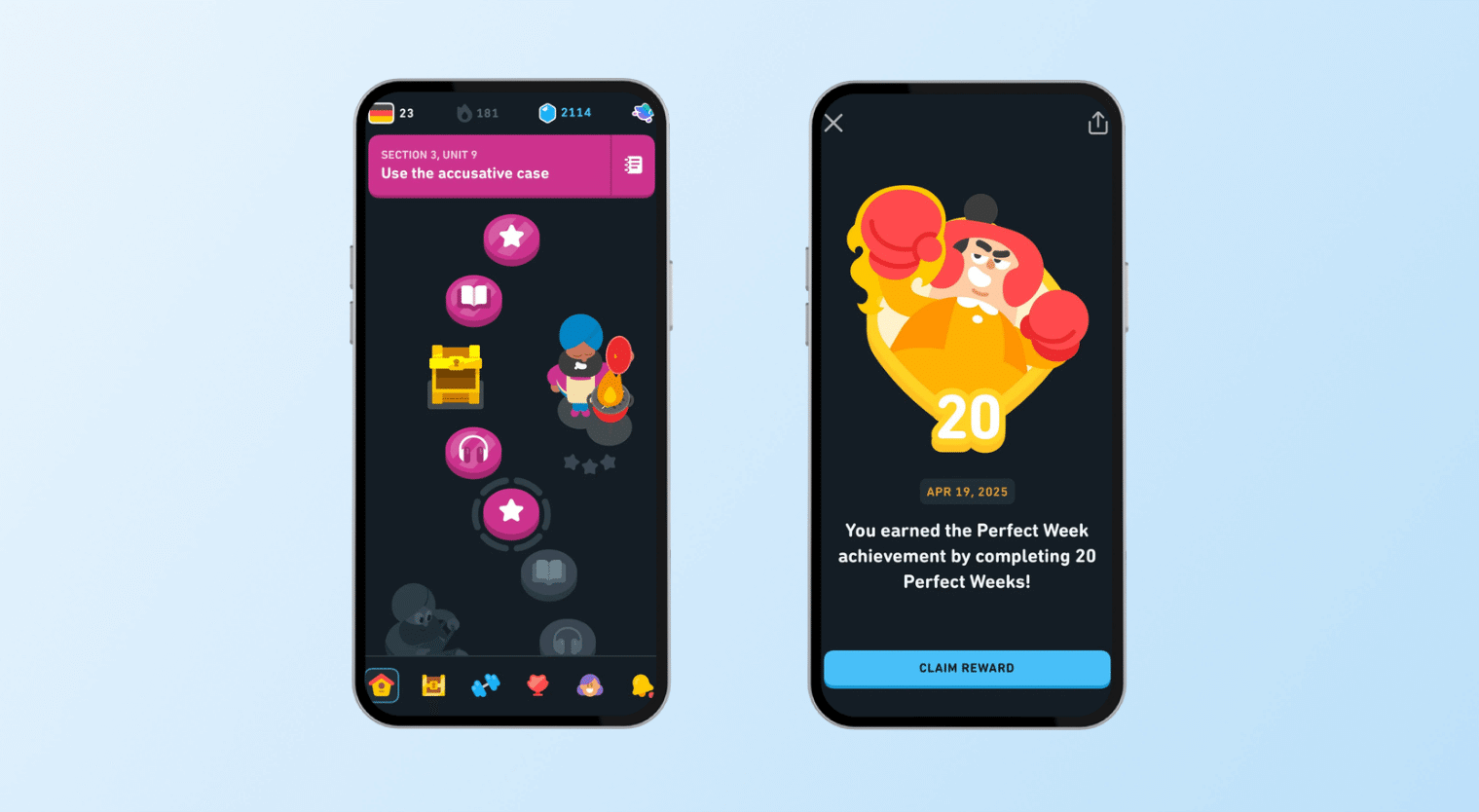
Duolingo has successfully turned language learning into an engaging, habit-forming experience through clever use of gamification. Key elements include:
- XP & Levels: Users earn XP to level up, creating a sense of achievement and visible progress.
- Daily Streaks: Streaks encourage consistency by tapping into loss aversion—users don’t want to break their streak.
- Leaderboards & Leagues: Friendly competition through weekly leagues motivates users to stay active.
- In-App Rewards: Gems earned through lessons unlock fun features, adding an incentive to keep going.
- Badges: Visual milestones reward progress and foster motivation.
Source: Duolingo App
2. Nike Run Club
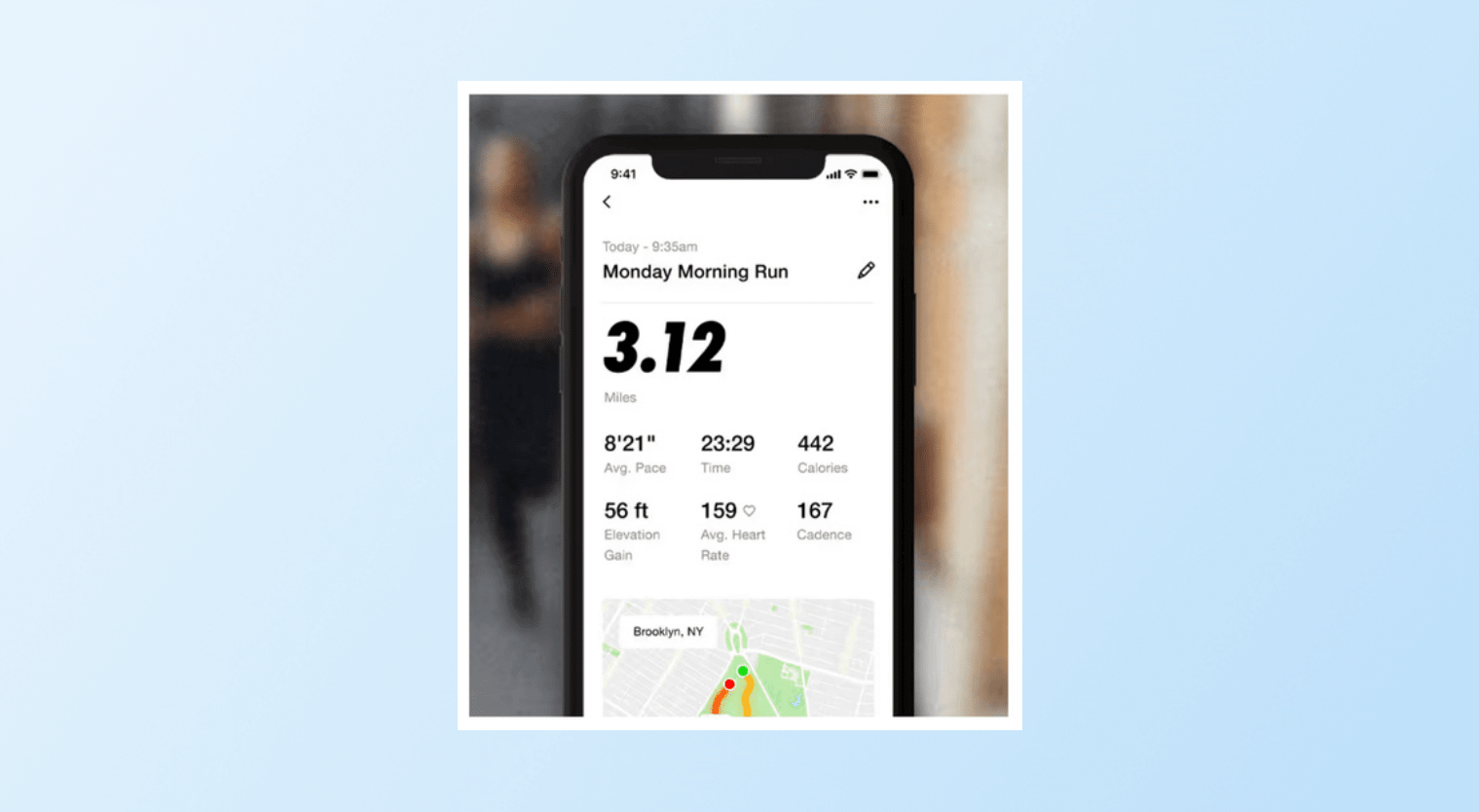
Nike Run Club rewards uses smart gamification to motivate and retain users by transforming running into a fun, rewarding experience. Instead of relying on traditional rewards, the app taps into intrinsic motivation through features like:
- Challenges that let users compete globally or with friends
- Achievements and milestones that celebrate progress
- Social sharing to build community and accountability
Key Gamification Tactics:
- Progress tracking with visual stats
- Friendly competition and virtual trophies
- Personalized encouragement and streaks
These elements make users feel accomplished and connected, driving regular use without relying on discounts or external incentives.
Source: Nike Run Club
3. Forest
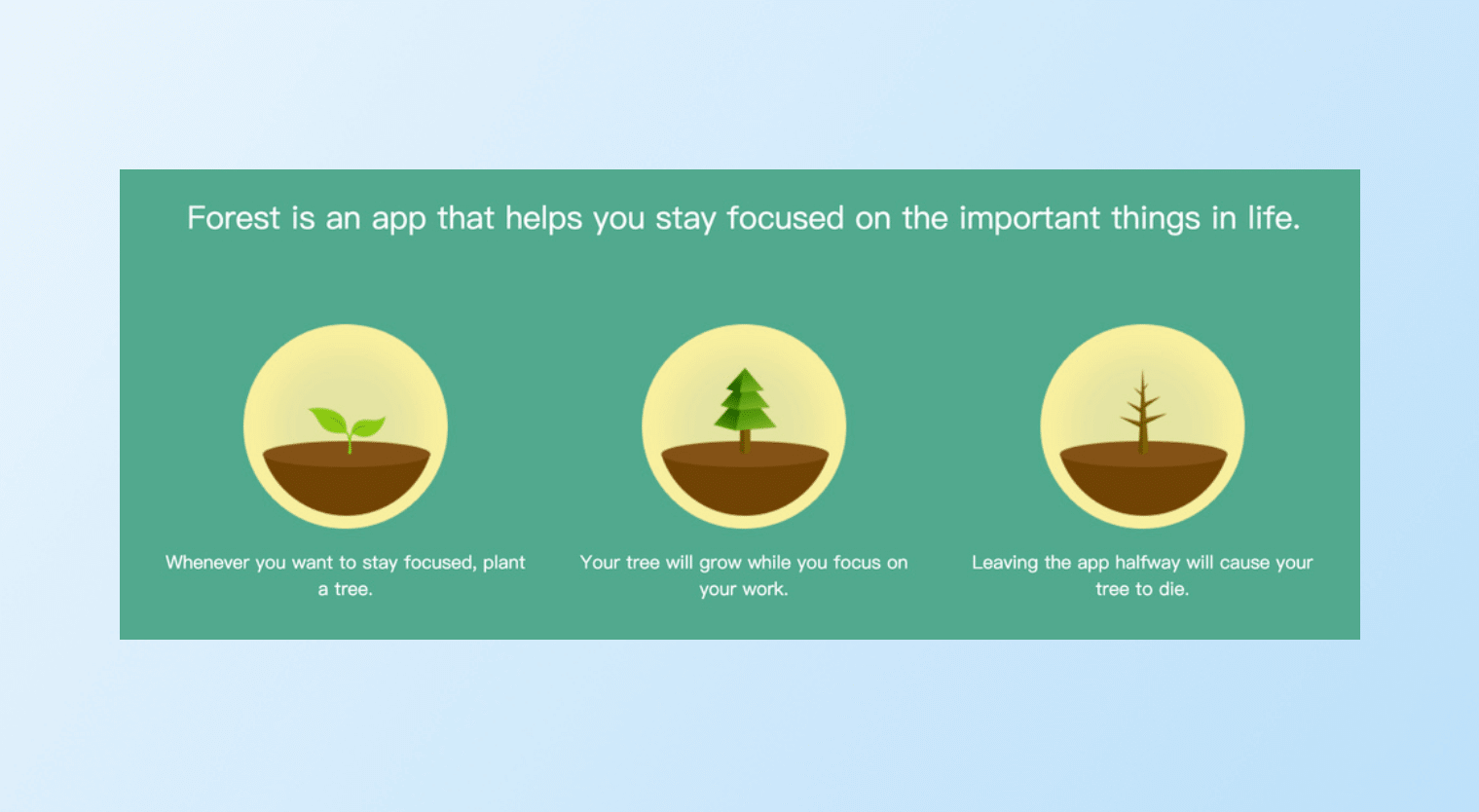
Forest encourages focus by growing a virtual tree when users avoid distractions. Leaving the app before a session ends causes the tree to wither, creating a tangible consequence for breaking concentration. Unlike many gamified experiences that rely solely on rewards, Forest uses loss aversion, the desire to avoid losing progress, to reinforce positive behavior. Over time, users build an entire virtual forest that visually represents their productivity, making consistent focus feel more rewarding and meaningful.
Source: Forest App
4. Fitbit
Fitbit effectively applies multiple gamification principles to drive motivation and long-term customer engagement:
- Goal Setting & Progress Feedback: Users set personal goals (e.g., steps, distance, calories) and receive real-time progress updates, which taps into the need for achievement and self-tracking.
- Challenges & Streaks: Fitbit includes daily and weekly challenges, often with time limits, encouraging consistent activity. Users are rewarded for streaks, reinforcing daily engagement.
- Badges & Milestones: Users earn virtual badges for hitting milestones—like their first 10,000 steps or climbing the height of famous landmarks—creating a sense of accomplishment.
- Social Competition: Fitbit integrates leaderboards and lets users compete with friends, tapping into friendly competition and social motivation.
- Narratives & Theming: Some challenges come with themed journeys (e.g., “Hiking the Alps”), adding a fun narrative layer that makes fitness feel like an adventure.
These tactics align with key gamification lessons: clear goals, regular feedback, social interaction, and making progress feel rewarding—all contributing to Fitbit’s long-term user retention.
5. Habitica
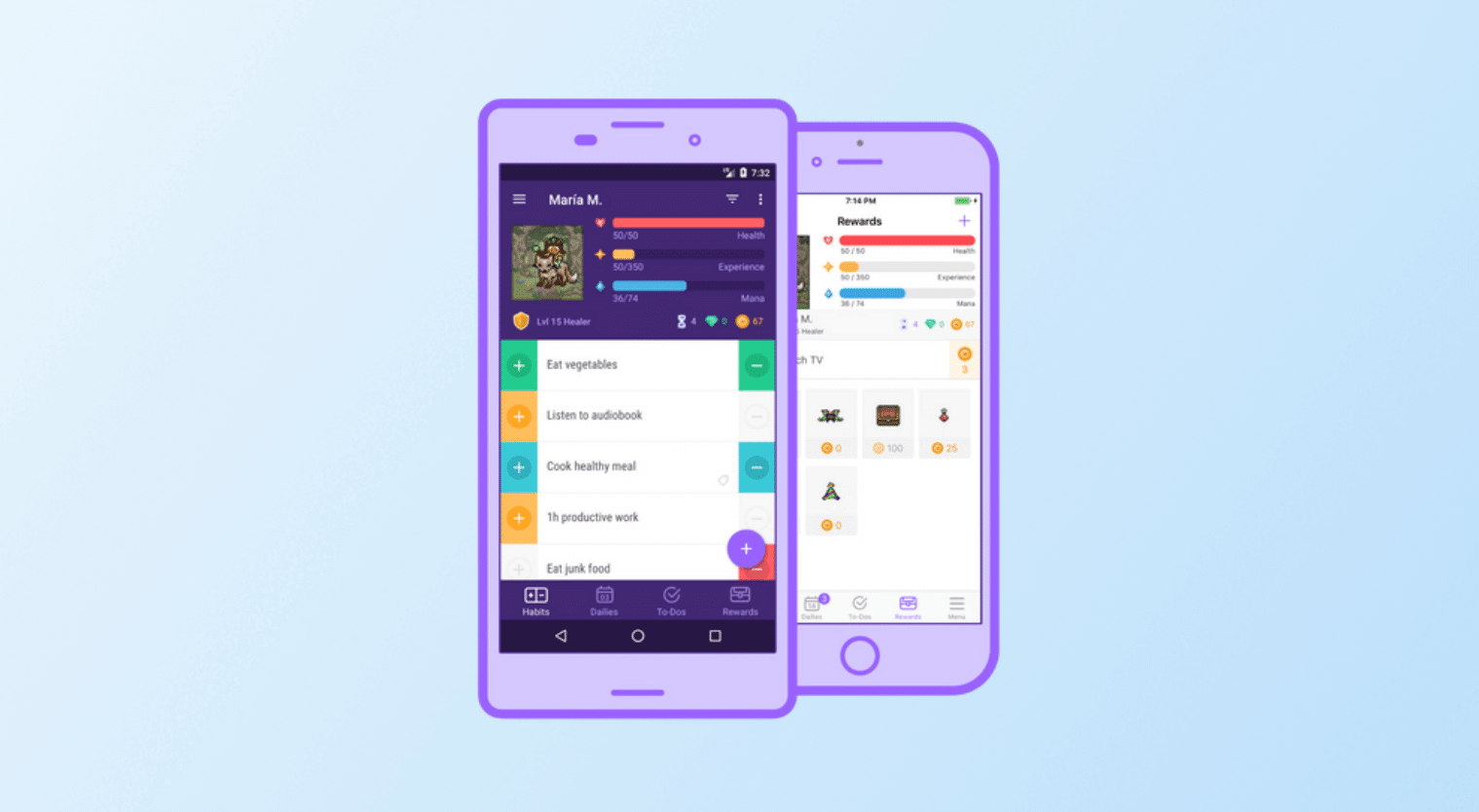
Habitica gamifies productivity using role-playing mechanics. It is a task management app that helps organize tasks and to-do lists. Users earn experience points and gold for completing tasks and can level up their avatars or unlock gear. The app also provides social networking capabilities using guilds to collaborate and compete in, and to share achievements.
It turns daily responsibilities into quests, boosting motivation and reinforcing behavioral patterns by tracking good and bad habits.
Source: Habitica
6. Starbucks Rewards
Starbucks Rewards uses loyalty progression, rewards, status, and limited-time incentives to turn repeat purchases into an ongoing progression system.
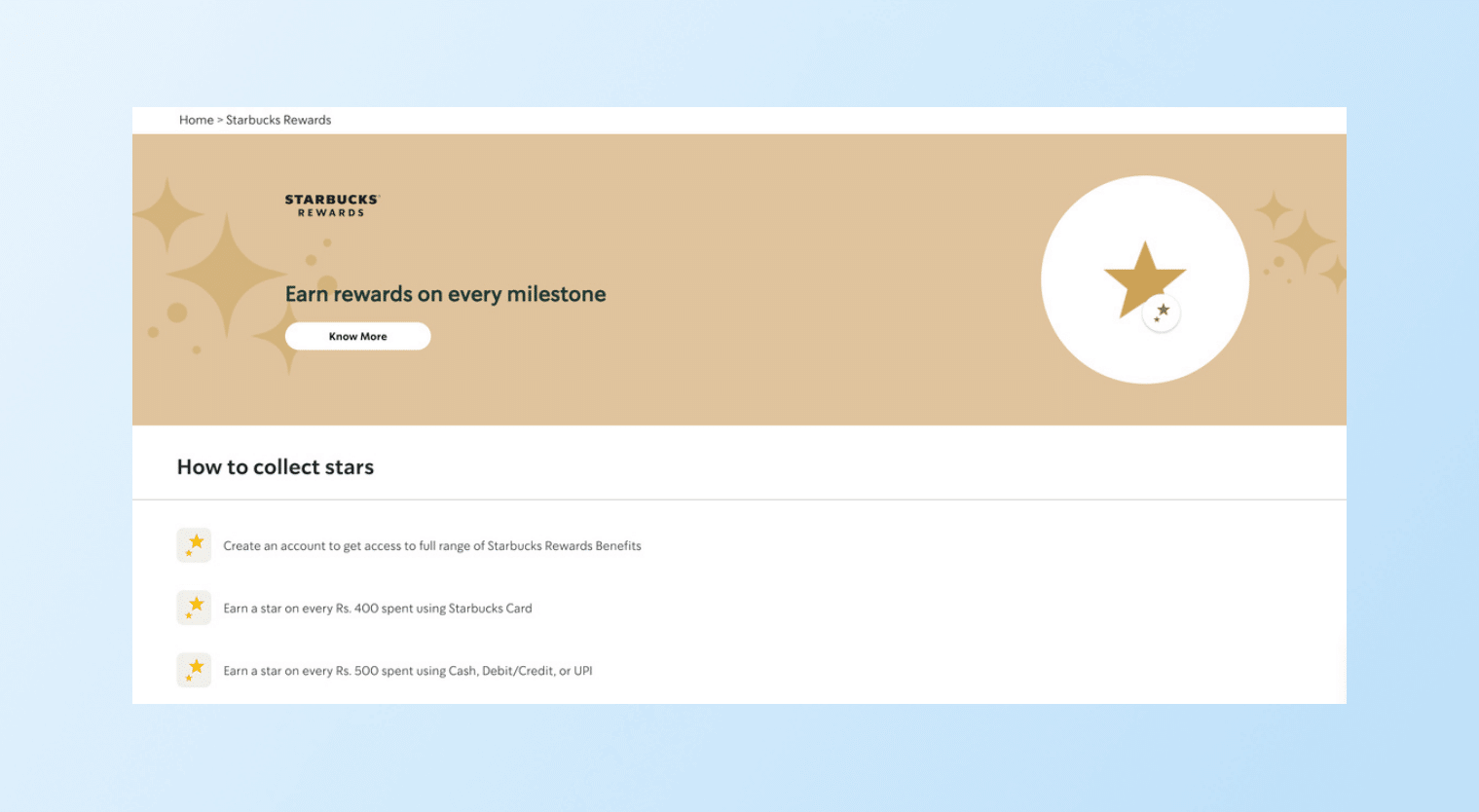
In March 2026, Starbucks launched a redesigned U.S. Rewards program with three membership levels: Green, Gold, and Reserve. Members progress through the program by earning Stars, while the Starbucks app shows their progress toward the next level. Higher tiers provide greater earning power and additional benefits.
Its gamification model combines several mechanics:
- Progress tracking: Members can see how close they are to reaching the next membership level.
- Tiered status: Green, Gold, and Reserve levels create longer-term progression and recognition.
- Bonus opportunities: Double Star Days and other promotions create short-term goals and encourage additional participation.
- Reward redemption: Stars convert purchases into tangible rewards such as food, beverages, or merchandise.
- Exclusive benefits: Higher tiers unlock additional perks and experiences.
The strength of Starbucks’ approach is that gamification is tied directly to the behavior the program wants to reinforce: repeat purchases and continued loyalty. Users are not completing an unrelated game. Their normal activity moves them toward visible and increasingly valuable benefits.
Source: Starbucks
7. Khan Academy
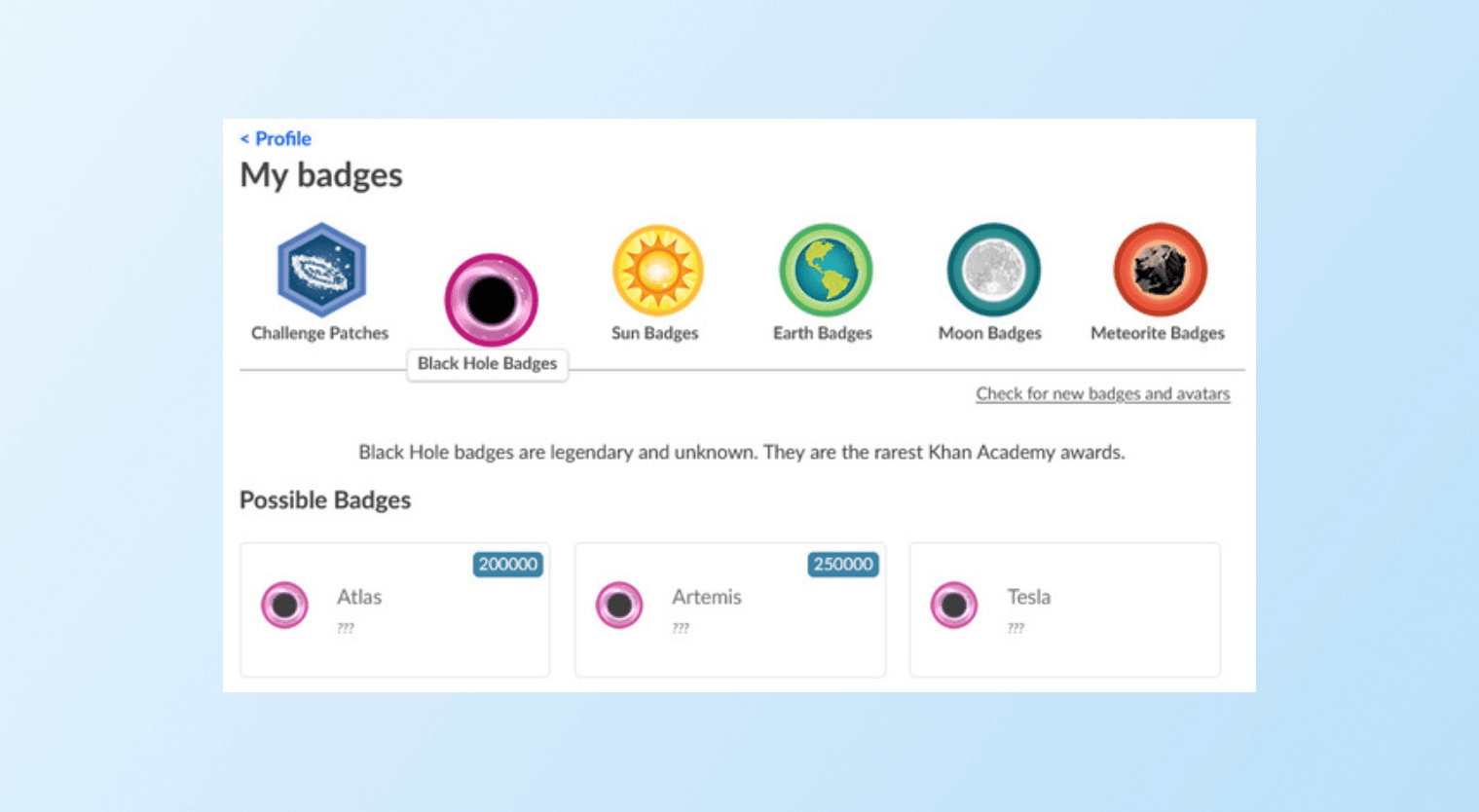
Khan Academy motivates learners through badges that are awarded for behaviors like earning points, achieving mastery of exercises, or community building, energy points that measure effort, and avatars that become available as students earn more energy points. As students progress through lessons, they earn tangible rewards and see their growth, which helps maintain interest and motivation.
Source: Khan Academy
8. Headspace
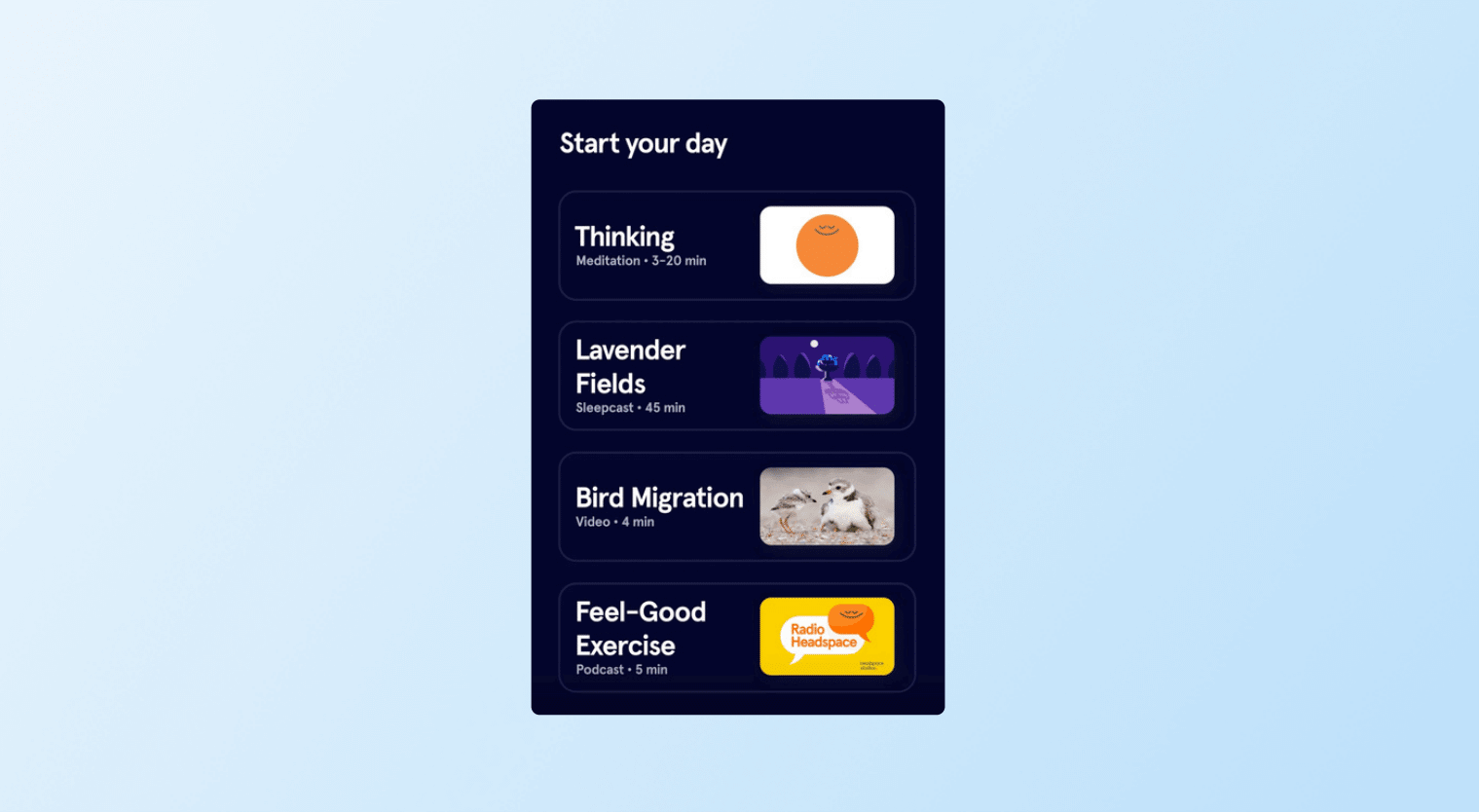
Headspace uses streaks, visual journeys, and milestone animations to encourage meditation consistency. The app celebrates progress, making mindfulness feel less abstract and more rewarding.
Source: Headspace
9. Snapchat
Snapchat’s streak system is a standout example of habit-forming app gamification. Users are encouraged to send daily snaps to maintain streaks, fostering consistent engagement. The app reinforces this behavior with reminders when streaks are about to expire, creating urgency.
Additionally, Snapchat awards trophies and emojis for hitting milestones, like snap volume or filter use. These simple yet effective mechanics turn routine interactions into rewarding habits, driving daily app usage and long-term retention through a mix of commitment, competition, and social motivation.
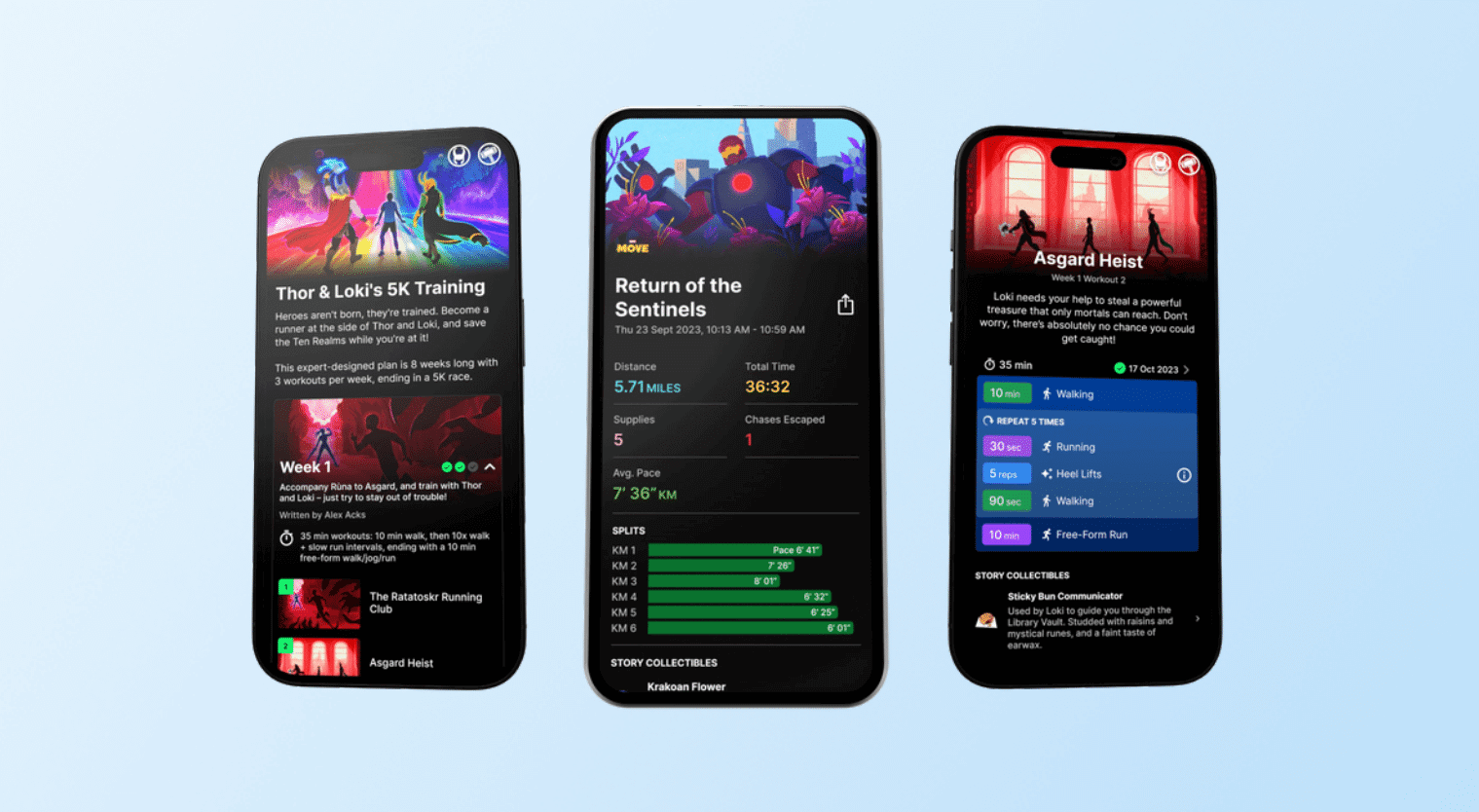
10. Zombies, Run!
Zombie, Run! is a story-driven fitness app that gamifies running by turning workouts into immersive missions. Users hear audio cues and dramatic narratives where they must run to escape zombie attacks, collect supplies, and complete objectives.
The app blends storytelling, missions, and rewards to transform routine exercise into an engaging adventure. By making users the heroes of a post-apocalyptic world, it taps into escapism and motivation, encouraging consistent activity through fun, fear, and purpose.
Source: Zombies, Run!
11. Waze
Waze uses gamification to encourage users to contribute real-time information about traffic conditions, accidents, and road closures. Users earn points, achievements, and ranking status for submitting reports, while leaderboards recognize the platform’s most active contributors. What makes this approach effective is that rewards are tied directly to behaviors that improve the experience for the entire community. By turning everyday navigation into a collaborative activity, Waze motivates users to actively participate rather than simply consume information.
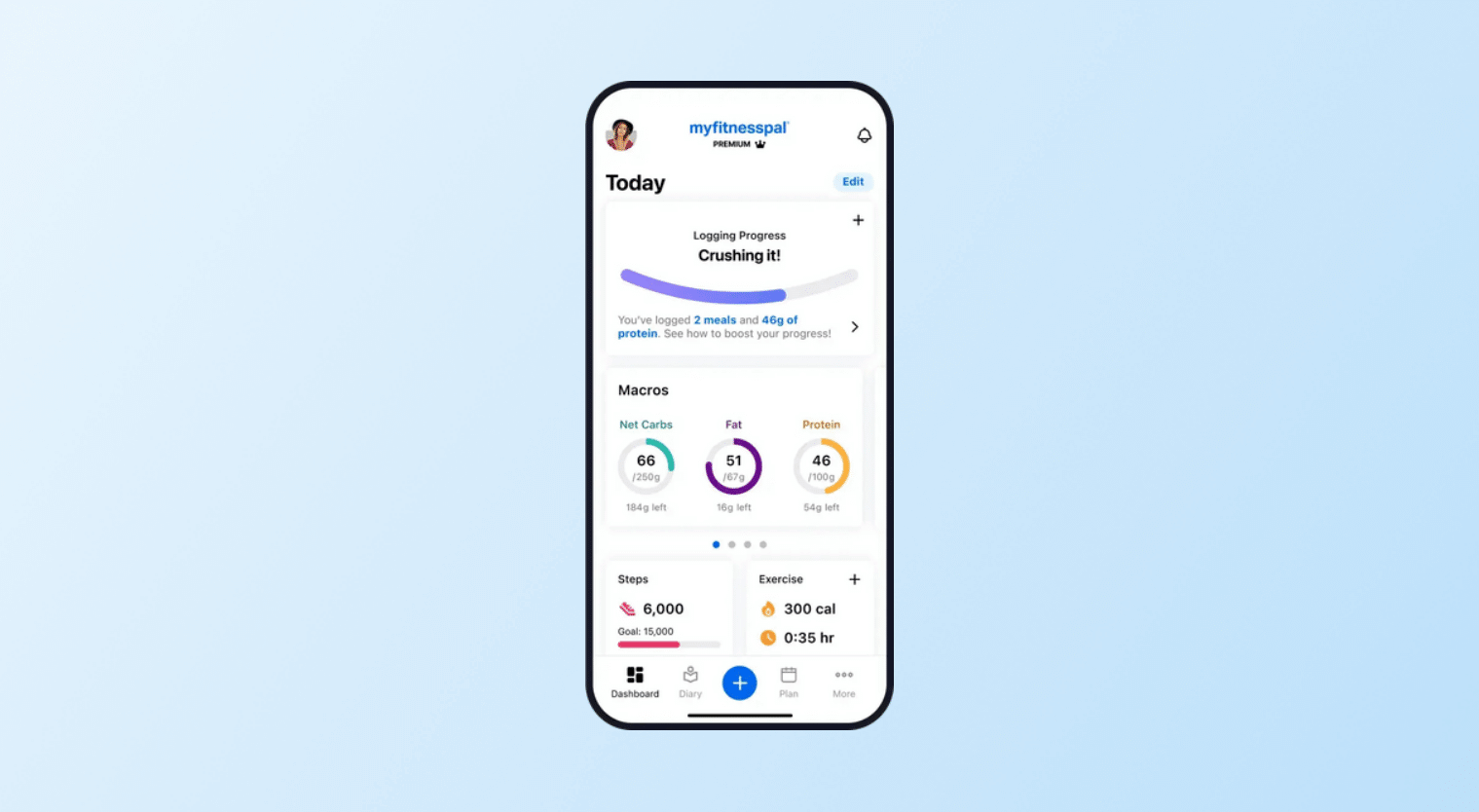
12. MyFitnessPal
MyFitnessPal gamifies health tracking through badges, milestones, and streaks that reward consistent logging of meals and workouts. These achievements provide immediate feedback for behaviors whose results may take weeks or months to become visible. By recognizing small wins along the way, the app helps users stay motivated during the early stages of their health journey and reinforces habits that contribute to long-term success.
Source: MyFitnessPal
13. Cash App
Cash App incorporates gamification through features such as Cash Boosts, referral incentives, and limited-time rewards that encourage users to engage with different parts of the platform. Rather than presenting rewards as a separate loyalty program, these incentives are embedded directly into everyday transactions. This creates moments of surprise and discovery that encourage exploration, increase feature adoption, and give users additional reasons to return to the app.
14. Tinder
Tinder gamifies dating through its swipe mechanic, which creates a continuous cycle of anticipation and reward. Each swipe carries the possibility of a match, introducing uncertainty into the experience and encouraging users to keep participating. Features such as Boosts, Super Likes, and animated match screens amplify excitement by making successful outcomes feel more rewarding. This combination of instant feedback and unpredictable rewards helps drive frequent engagement and repeated app usage.
How CleverTap Helps Brands Build and Scale App Gamification
CleverTap is an all-in-one customer engagement platform that helps brands turn behavioral data into personalized app experiences across the customer lifecycle. For gamification, that means marketers can go beyond launching a one-off game or reward and build experiences that respond to who the user is, what they have done, and what they are likely to do next.
With CleverTap, brands can:
- Launch gamified in-app experiences faster: Use the Advanced In-App Builder, custom HTML, or gamification templates such as Spin the Wheel and Scratch Card to create interactive, reward-led experiences inside the app. Custom actions can also trigger experiences such as granting coins or directing users to premium content.
- Personalize the experience with behavioral context: TesseractDB™ combines live actions, historical behavior, profile attributes, and campaign signals to give marketers richer context for deciding who should receive a challenge, reward, or next experience.
- Use CleverAI™ to make smarter engagement decisions: CleverAI™ includes Intelligent Agents that can continuously optimize factors such as timing, channel, journey path, campaign variant, recommendations, and audience decisions based on changing user signals.
- Predict which users need a different nudge: The CleverAI Predictions Agent can identify users more or less likely to convert, churn, uninstall, or complete another defined action, allowing gamified experiences to be targeted more selectively instead of being shown to everyone.
- Personalize rewards and content: Recommendations can dynamically select relevant products, content, or other catalog items for individual users based on their behavior and preferences, making rewards and unlocks more relevant than static incentives.
- Test and optimize the journey: IntelliNODE can compare multiple journey paths, including different messages, channels, timings, and creative approaches, and identify which paths drive stronger goal conversion.
- Connect gamification to business outcomes: Conversion analytics can attribute conversions and revenue back to campaigns and journey nodes, while Promo Campaign Analytics can track rewards distributed, coupons or vouchers issued, redemptions, and reward failures.
This matters because effective gamification is rarely about the game itself. The bigger challenge is delivering the right mechanic, reward, message, and follow-up experience to the right user at the right moment, then proving that it changed meaningful behavior.
How OurBus Used CleverTap Gamification to Increase CRM Revenue 2X
OurBus was finding it difficult to engage users consistently through traditional channels such as push notifications and email. Messages could be missed because of user opt-outs, device settings, battery optimization, or crowded inboxes, while users often had to switch between apps to retrieve coupon codes.
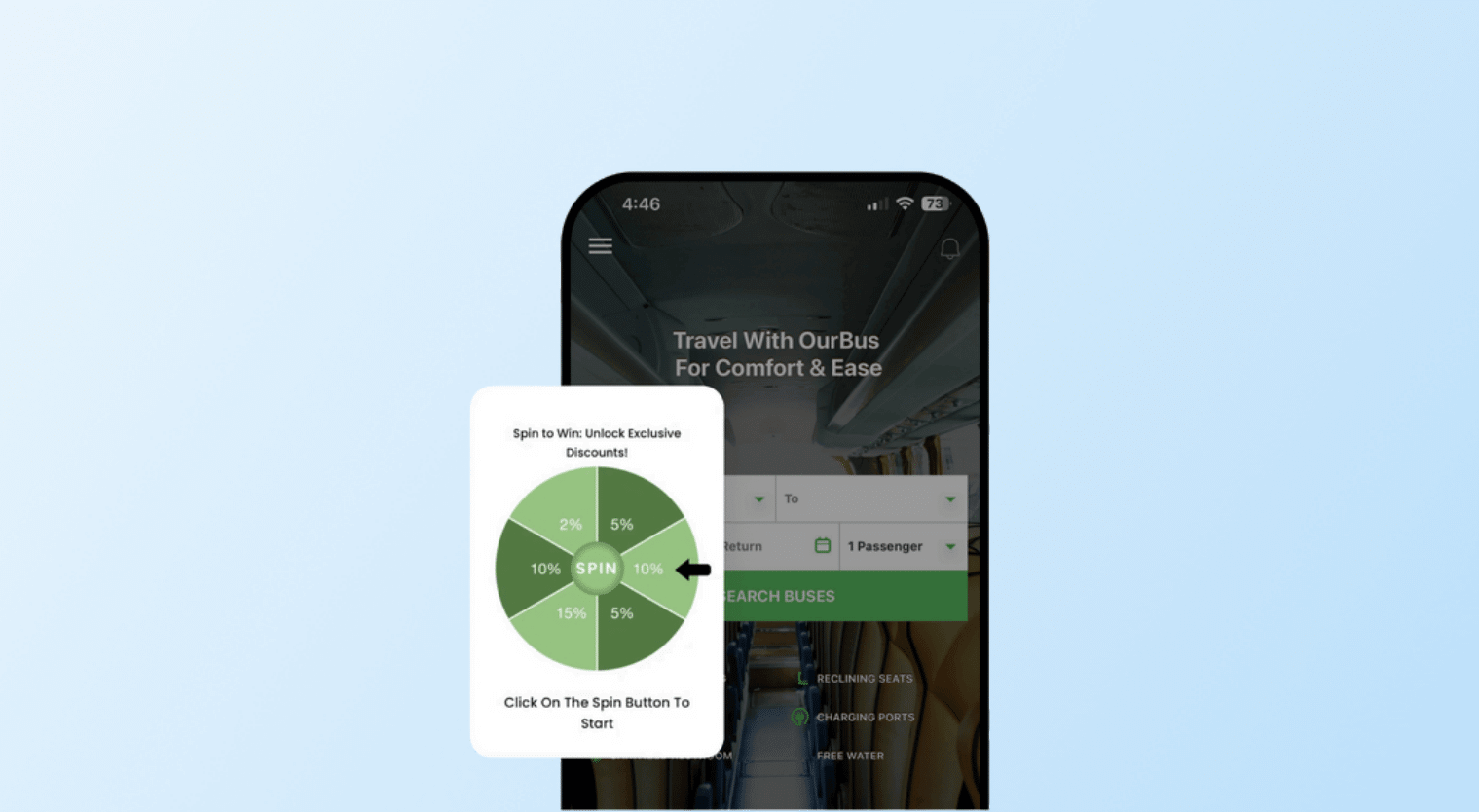
To bring the entire experience inside the app, OurBus used CleverTap In-App HTML campaigns to create personalized games such as Spin the Wheel, Catch the Santa, Match the Card, and Scratch and Win.
The campaigns were:
- Delivered directly inside the app
- Targeted to relevant user segments, including non-returning users
- Designed to reveal rewards immediately
- Built so users could copy coupon codes with a single tap
- Customizable without requiring an app update for every campaign
The impact was significant:
- 2X increase in CRM-driven revenue
- 40% increase in campaign engagement
- 20% improvement in coupon redemption
OurBus demonstrates what app gamification can look like when interactive mechanics are connected with targeting, personalization, and frictionless reward delivery rather than treated as a standalone promotion.
Read the full OurBus case study.
Want to see how CleverTap can help you turn behavioral signals into gamified experiences that drive measurable engagement and revenue?
What Makes App Gamification Successful?
Looking across the examples above, it’s clear that successful app gamification is not about adding points, badges, or rewards for the sake of it. The most effective gamified experiences are designed around human motivation. They give users a reason to return, a sense of progress to work toward, and a reward that feels meaningful enough to justify continued participation.
While the mechanics vary across industries, from language learning and fitness to finance and transportation, the underlying principles remain remarkably consistent. The most successful apps use gamification to make progress visible, reinforce desired behaviors, encourage consistency, and transform routine activities into experiences users actively want to complete.
Here are four patterns that appear repeatedly across high-performing gamified apps.
Clear Progress Creates Momentum
One of the most powerful aspects of gamification is its ability to make progress visible.
Many goals that users pursue through apps are long-term in nature. Learning a language, building a fitness habit, saving money, or improving productivity rarely deliver immediate results. Without visible signs of progress, users can easily lose motivation before they experience meaningful outcomes.
Successful apps solve this problem by breaking larger goals into smaller milestones and providing continuous feedback along the way.
Duolingo uses lesson completion trackers, XP systems, and daily streaks to show learners exactly how far they’ve come and what they need to do next. Khan Academy uses progress tracking and achievement systems to help learners see incremental improvement. Nike Run Club allows runners to monitor performance, milestones, and personal records over time.
These mechanics create momentum because users can clearly see that their actions are moving them closer to a goal. Each completed task reinforces a sense of accomplishment and encourages the next action.
When users feel that progress is tangible and measurable, they are more likely to remain engaged over the long term.
Rewards Reinforce Desired Behaviors
Rewards are one of the most recognizable elements of gamification, but the best apps use them strategically rather than excessively.
The purpose of a reward is not simply to make users feel good. It is to reinforce behaviors that create value for both the user and the business.
Starbucks Rewards encourages repeat purchases by allowing customers to accumulate Stars that unlock future benefits. Fitbit rewards activity milestones with achievement badges that recognize consistency and effort. MyFitnessPal celebrates streaks and logging milestones to encourage users to maintain healthy habits.
In each case, the reward is tied directly to a behavior the app wants users to repeat.
Effective rewards don’t need to be expensive. In many cases, recognition, status, achievement badges, or milestone celebrations can be just as motivating as tangible incentives. What matters is that the reward feels meaningful within the context of the experience.
The strongest gamification strategies use rewards to reinforce habits rather than create dependence on incentives.
Competition and Social Interaction Increase Participation
Many people are naturally motivated by comparison, collaboration, and social recognition.
Apps that incorporate social elements often create stronger engagement because participation becomes visible to others. Users are no longer interacting solely with the product. They are interacting with a community.
Fitbit’s challenges encourage users to compete with friends and family members. Waze motivates participation through rankings, points, and community contributions. Snapchat uses Snapstreaks and social visibility to encourage ongoing communication between users.
These mechanics create additional layers of accountability and motivation.
Competition can encourage users to push harder, while collaboration can create a sense of belonging and shared achievement. Even simple social features can significantly increase participation when users feel their progress is recognized by others.
The most successful social gamification systems make engagement feel communal rather than solitary.
Storytelling Makes Experiences More Memorable
Not every successful gamification strategy relies on points or leaderboards. Some of the most engaging experiences use storytelling to create emotional investment.
Narratives give users a reason to care about what happens next. Instead of simply completing tasks, users become participants in an unfolding experience.
Zombies, Run! transforms running into an immersive mission where users collect supplies and complete objectives while escaping fictional threats. Habitica turns daily productivity into a role-playing game where users level up characters by completing real-world tasks. Forest creates an emotional connection by allowing users to grow virtual trees that flourish when they stay focused.
These experiences work because they add meaning to actions that might otherwise feel repetitive.
When users become emotionally invested in a story, character, or virtual world, engagement often becomes more sustainable than systems driven solely by rewards.
The most memorable gamified experiences don’t just motivate action. They make users feel like they are part of something larger than the task itself.
Gamification Ideas for Apps Across Industries
Gamification can work for almost any app, but it must be tailored to the user’s context and the problem your product solves. Below are industry-specific ideas that demonstrate how to align mechanics with business goals.
Health & Fitness
Fitness apps are built around progress, and gamification helps make that progress feel more tangible. Badges for hitting workout milestones or breaking personal records give users a sense of achievement.
Step challenges and streak-based rewards tap into consistency and help users stay motivated over time. Many apps also visualize progress through graphs, fitness levels, or journey-style trackers that show how far someone has come. As an extra boost, unlocking new workouts or bonus content after consistent use adds a layer of surprise and reward that keeps users engaged.
Productivity
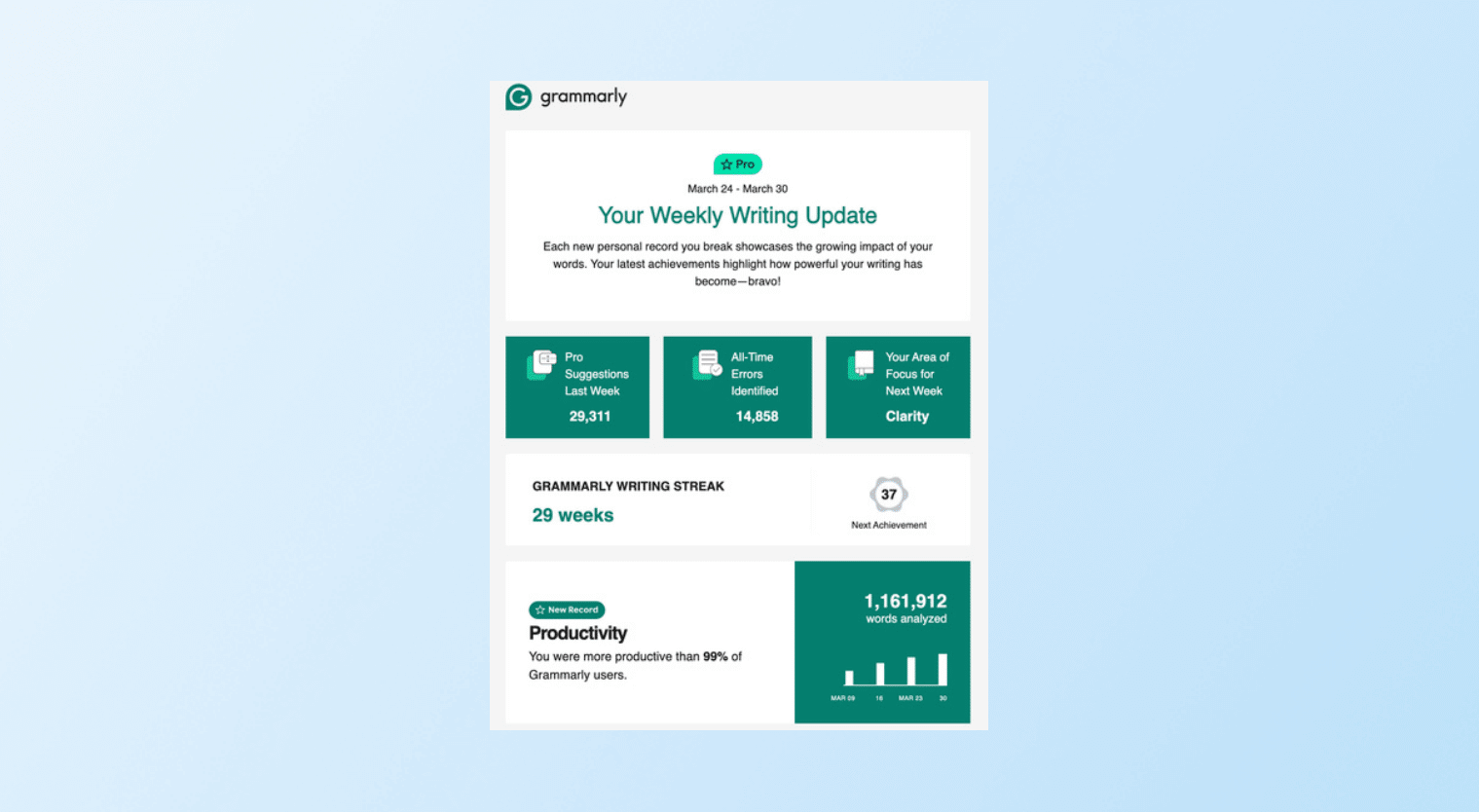
Productivity apps often face a drop in engagement once the initial need is met. To keep users motivated, many introduce features like daily streaks and end-of-day summaries that reward consistency.
Source: Grammarly
Some go further by adding leveling systems for tackling bigger projects, giving users a sense of accomplishment as they progress. Unlockable themes, avatars, or sounds tied to ongoing usage add a personal touch and encourage habit formation.
Weekly insights and comparisons to previous performance also help users stay aware of their growth, making the app feel more like a partner than just a tool.
Finance
Financial apps benefit from building trust and encouraging smart habits. Gamification can support this by rewarding users for consistent behavior, like savings streaks tracked with visual milestones or progress bars.
Some apps offer goal-based incentives, where hitting a budgeting target unlocks a small reward or celebratory feedback.
Others introduce cashback challenges tied to spending with certain merchants, turning everyday transactions into mini-missions. Tiered referral programs or unlockable tools add further motivation, helping users feel like they’re progressing while staying in control of their finances.
Social Media
Social apps rely on frequent interaction, and gamification helps keep that momentum going. Many platforms use engagement badges to recognize activity like posting, sharing, or replying, turning everyday actions into something users feel proud of.
Leaderboards can highlight top contributors in a group or community, encouraging friendly competition. Viral challenges and user-generated contests add a sense of play and community, while simple visuals showing follower growth or reach make progress easy to see and celebrate. Together, these elements keep users involved and motivated to stay active.
E-Commerce
Gamification plays a big role in how shopping apps keep users coming back. Many use point systems that reward purchases, reviews, or referrals, giving customers something to work toward. Some add spin-the-wheel offers at checkout to introduce a bit of fun and surprise.
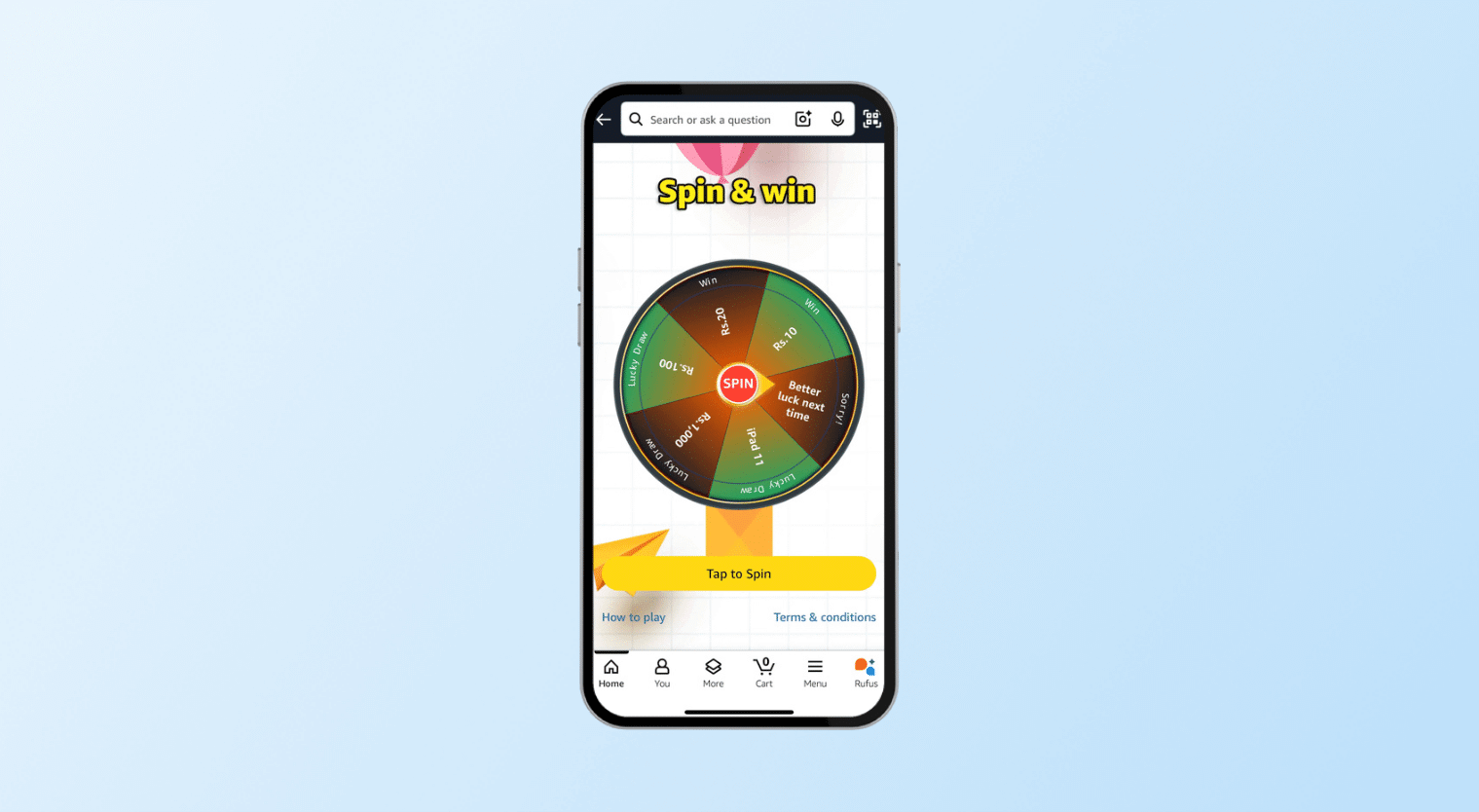
Source: Amazon
Tiered loyalty programs, where users unlock better rewards as they spend more, help drive repeat purchases. Others highlight milestones like a user’s tenth order or a completed wishlist by offering badges or limited-time perks. These small touches make the shopping experience more rewarding without getting in the way.
Best Practices for Implementing App Gamification
Not every gamified feature works. To ensure success, it’s essential to root your design choices in behavioral science and align them with business objectives. Here are some best practices:
- Start With Real User Motivation: Understand what drives your users: mastery, recognition, progress, or competition. Design mechanics that support these deeper needs rather than relying on surface-level gimmicks.
- Balance Extrinsic and Intrinsic Rewards: External perks like discounts and points can catch attention, but long-term engagement comes from internal rewards like progress, self-improvement, or habit-building. Use both to create a sustainable feedback loop.
- Simplify the Experience: Keep your gamification intuitive. A simple badge or streak counter is often more effective than complex point systems or layered mechanics. Avoid making users learn a new game just to use your app.
- Blend Seamlessly Into UX: Game elements should feel like a natural part of the experience. Whether it’s a progress bar or a milestone notification, integration should be smooth and subtle, not a distraction.
- Continuously Measure and Improve: Track how gamified features impact behavior. Use A/B testing to adjust reward timing, placement, or frequency. Let data guide your iterations to maximize impact without overcomplicating the experience.
- Don’t Overdo It: Gamification works best when it supports value, not when it replaces it. Too many game elements can feel manipulative. Focus on a few well-integrated features that reinforce your core product experience.
How to Build an App Gamification Strategy
Gamification should begin with the behavior you want to influence, not the mechanic you want to add. A practical strategy usually follows these steps.
1. Define the Behavior You Want to Change
Start with a clear objective. You may want more users to finish onboarding, complete a first purchase, use a particular feature, return weekly, build a habit, refer friends, or renew a subscription.
Avoid starting with a vague goal such as “increase engagement.” Define the action that represents meaningful engagement instead.
2. Understand What Motivates the User
Different users respond to different forms of motivation. Some value progress and mastery, while others respond to recognition, competition, status, financial rewards, or social participation.
Use behavioral data and user research to understand which motivations are relevant before selecting a mechanic.
3. Match the Mechanic to the Behavior
Choose mechanics based on the behavior you are trying to reinforce.
For example:
- Use progress bars to improve onboarding completion.
- Use streaks to encourage repeated behaviors.
- Use challenges to stimulate short-term activity.
- Use levels or tiers to reward long-term loyalty.
- Use leaderboards when social comparison genuinely adds value.
- Use rewards when there is a meaningful action worth incentivizing.
4. Make Progress and Feedback Immediate
Users should understand what they accomplished and what happens next. Immediate feedback through progress updates, celebrations, points, badges, or milestone messages strengthens the connection between an action and its outcome.
5. Personalize the Experience
Not every user should receive the same challenge or reward. New users, highly engaged users, dormant customers, and loyal customers are at different stages and should receive different goals.
Behavioral segmentation can help determine which mechanic, difficulty level, reward, or message is appropriate for each audience.
6. Test Before Scaling
Launch gamified mechanics with a limited audience first. Compare participating users with a control group and measure whether the experience changes the intended behavior.
7. Optimize Based on Long-Term Value
A gamification campaign can produce more clicks or sessions without improving the underlying business outcome. Evaluate whether increased participation ultimately improves retention, conversion, loyalty, revenue, or customer lifetime value.
How to Measure App Gamification Success
Measure gamification against the behavior it is designed to influence. A streak aimed at repeat usage should be evaluated differently from a rewards campaign designed to increase purchases.
Key metrics include:
- Activation Rate: Shows whether gamification helps new users complete key onboarding or first-value actions.
- Challenge Completion Rate: Measures how many users finish a gamified challenge after starting it.
- Feature Adoption: Tracks whether gamification encourages users to try important product features.
- Session Frequency: Shows whether users return to the app more often.
- Streak Continuation: Measures how consistently users repeat the desired behavior.
- Reward Redemption Rate: Indicates whether users find the rewards valuable enough to claim.
- Conversion Rate: Tracks high-value actions such as purchases, subscriptions, bookings, or upgrades.
- Retention Rate: Shows whether gamification improves continued app usage over time.
- Customer Lifetime Value: Helps assess whether gamification contributes to stronger long-term customer value.
- Incremental Revenue: Measures the additional revenue associated with the gamified experience.
Where possible, compare these results against a baseline or control group to determine whether gamification is actually driving the change.
App Gamification: The Takeaway
App gamification works best when it supports the value users already want from a product. Streaks, challenges, points, progress indicators, rewards, and leaderboards are tools. Their effectiveness depends on whether they reinforce meaningful behaviors.
Start by identifying the action you want users to repeat, understand what motivates them, choose the simplest mechanic that supports that behavior, and measure whether it produces a meaningful business outcome.
CleverTap helps brands connect gamified experiences with behavioral data, audience segmentation, personalized journeys, experimentation, and engagement analytics so teams can understand what works and continuously improve the experience.
Want to build more engaging app experiences without relying on one-size-fits-all campaigns? Schedule a demo with CleverTap!
Frequently Asked Questions (FAQs) Related to App Gamification
What is app gamification?
App gamification is the use of game mechanics such as points, streaks, challenges, levels, rewards, and progress tracking to encourage specific behaviors inside a non-game app.
What are common examples of gamification in mobile apps?
Common examples include Duolingo’s XP and streaks, Nike Run Club challenges, Starbucks Rewards, Fitbit achievements, Snapchat Snapstreaks, and Habitica’s role-playing progression system.
How does gamification increase app engagement?
Gamification can increase engagement by giving users clear goals, immediate feedback, visible progress, recognition, and meaningful rewards. These mechanisms can make repeated actions more motivating and easier to sustain.
What are the most common app gamification mechanics?
Common mechanics include points, XP, streaks, badges, leaderboards, levels, challenges, progress bars, rewards, unlockable content, quizzes, and social competition.
How should businesses measure app gamification?
Measure the behavior the gamified experience is intended to change. Relevant metrics may include activation, feature adoption, challenge completion, session frequency, retention, conversions, reward redemption, referrals, revenue, and customer lifetime value.

Subharun Mukherjee 
Heads Cross-Functional Marketing.Expert in SaaS Product Marketing, CX & GTM strategies.
Free Customer Engagement Guides
Join our newsletter for actionable tips and proven strategies to grow your business and engage your customers.