













































Table of Contents
Categories
Most Popular


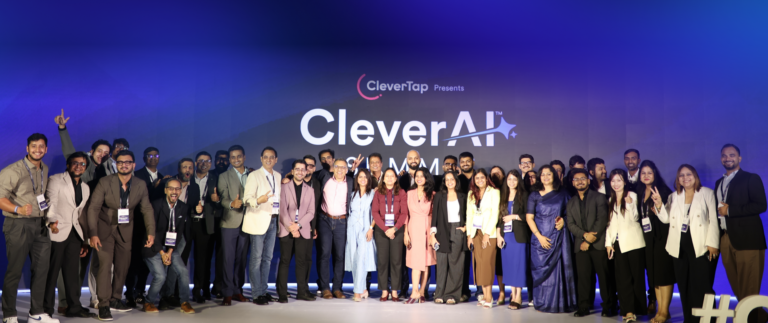
On October 8 in Mumbai, the CleverAI™ Summit 2026 brought together leaders across marketing, product, growth, and technology to explore what it takes to operate in the Era of Live Intelligence. The conversations examined how brands can respond as customer needs change, what AI should be trusted to decide, and where human judgment must continue to lead.
At the Summit, we unveiled the next evolution of CleverAI™, the intelligence layer of our customer engagement platform. Its direction reflects a growing need for marketing: turning live customer signals into relevant decisions and experiences while the moment still matters. Kotak 811 and Zee5 gave a walkthrough of what this looks like in action, showcasing how they are leveraging CleverAI™ for AI-native live intelligence that translates into real-world impact and tangible business outcomes.
The reason is simple: life happens LIVE, and customer engagement should too. A customer completes a purchase, changes a plan, or encounters an unexpected problem. Each development can change what they need from a brand. Engagement must recognize that change before acting on an understanding that is already out of date.
Sunil Thomas, Co-founder & CEO, CleverTap, captured this ambition at the Summit:
“It’s not about more marketing for the sake of marketing but better decisioning at scale that only AI can enable. This is what we mean by the Era of Live Intelligence – when something relevant changes for the user, the system should recognize what happens next. And it should recognize it before the next action is taken.”
Making that ambition real requires more than adopting AI. Across the Summit discussions, leaders from brands including Tata Play, ixigo, Pepperfry, Tata 1mg, GIVA, Cricbuzz, NoBroker, HDFC Securities, L&T Finance, and GCash explored the harder questions of ownership: which decisions AI should make, which responsibilities humans should retain, and how intelligence should be governed as it operates at scale. Embracing Live Intelligence means building the data foundations, working practices, and trust that allow it to improve customer experiences.
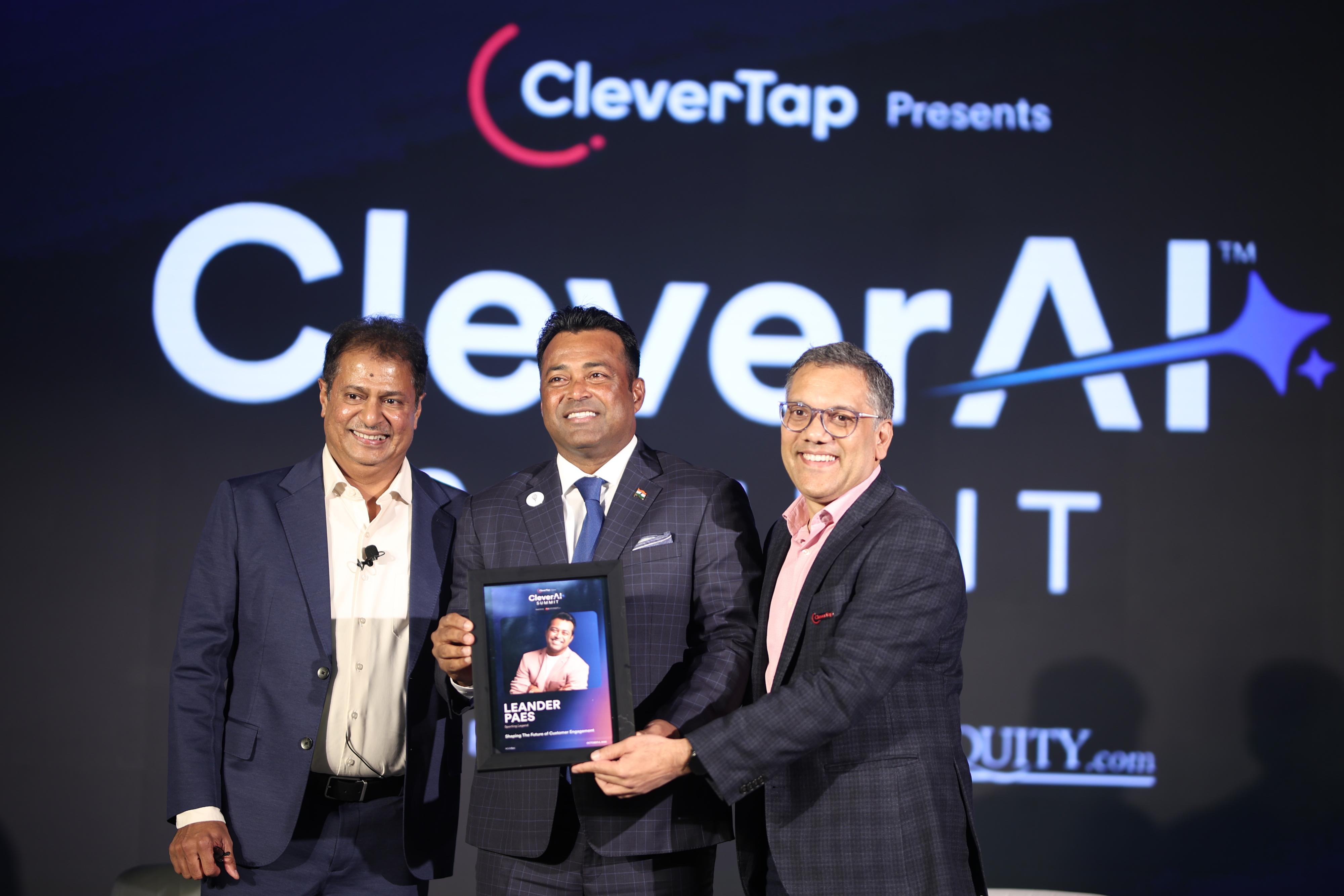
The day’s broader conversations brought that responsibility into perspective. Aman Gupta’s reflections on building brands customers love, Sahibjeet Singh Sawhney’s insights into bold marketing at Zomato, and Leander Paes’s lessons on responding to life’s curveballs reinforced the value of conviction, adaptability, and resilience. These qualities remain essential as technology changes how marketing works.
Five key themes emerged. Together, they offer a practical perspective on how marketers can take ownership of Live Intelligence and make it part of the way their teams think, decide, and act.
1. Live Intelligence Needs a Live, Connected Understanding of the Customer
For all the attention given to AI models, algorithms, and intelligent agents, one of the most important lessons from the Summit concerned something far more fundamental: data.
We have spent years investing in better customer data, integrating channels, and building more complete customer profiles. Yet the challenge is no longer simply how much we know about a customer. It is whether that information is accurate, connected, and current enough to inform the next decision. If the data is incomplete, outdated, or inconsistent, even the most sophisticated AI cannot reliably deliver the outcomes we expect.
Consider a customer who has just completed a purchase but continues to receive reminders and promotional offers for the same product. The recommendation model may be working exactly as designed, and the communication may be personalized. But the underlying information has failed to reflect a change in customer behavior. The result is an experience that feels disconnected, despite the sophisticated technology behind it.
“There are 10 notifications on all our apps, always. The idea is to be able to send fewer of them, but those that go are more relevant for the customers at that point of time,” said Vaibhav Puri, VP – Marketing, NoBroker.
The question is no longer simply how much customer data a brand has. It is whether that understanding is current and connected enough to change the next decision. A flawed signal no longer affects just one report or campaign. It can influence a series of automated decisions and interactions.
This makes data quality a top business priority, rather than a concern delegated entirely to analytics or technology teams. Marketers must become more involved in understanding the signals their systems capture, the freshness of those signals, and the assumptions behind the models they rely on. Equally, closer collaboration with data and technology teams will be essential.
Intelligence is only as reliable as the information informing it. Before asking AI to make better decisions, organizations must ensure it has a dependable understanding of the customer.
2. Better Personalization Starts With Better Decisions
Personalization has been one of marketing’s defining ambitions for more than a decade. From mass campaigns, we have progressed to micro-segmentation, behavioral targeting, recommendations, and automated journeys. Now, AI is making Live 1:1 Personalization – experiences tailored to individual customers in real time – increasingly achievable.
Yet greater personalization does not automatically translate into greater relevance. A brand can know a customer’s preferences, purchase history, and browsing behavior, and still engage them at the wrong moment. It can deliver an individually tailored offer that the customer no longer needs. Or it can respond to every behavioral signal and create more interruptions than value.
Without the right decisioning, even the most sophisticated personalization can result in perfectly personalized irrelevance. This is why Live 1:1 Decisioning is essential to Live 1:1 Personalization. The challenge is not simply to determine what a customer might be interested in, but to understand what action, if any, is most relevant at that moment.
Live 1:1 Decisioning asks: Given what is happening now, what should we do next?
The Summit discussions reinforced the importance of approaching this challenge with focus. Rather than attempting to personalize every interaction simultaneously, brands would benefit from identifying one meaningful customer moment and getting that decision right. It could be helping a customer complete onboarding, determining whether a reminder is necessary, or identifying the most appropriate next action following a change in behavior.
“Instead of throwing the entire kitchen sink at personalization and AI, try to get one 1:1 decision right. So, from targeting a cohort to getting to a point where you understand one customer, one moment much better, it takes a lot. It takes a lot of data, signals, experiment design, setting up experiments, learning, iterating, and then again reiterating. So, if you can – just pick one goal at a time, one customer journey, one experiment, one use case, one target, and hope for one win,” said Prateek Verma, SVP & Head of ePharmacy, Tata 1MG.
Start with a clearly defined outcome. Identify the signals that matter, test different interventions, measure their impact, and learn from the results. Once the approach proves effective, extend it to other moments across the customer lifecycle.
After all, the purpose of personalization is not to demonstrate how much a brand knows about its customers. It is to use that understanding to make their experiences more relevant.
3. Autonomy Has to Be Earned, Not Assumed
Marketing teams have spent years building processes around human control: choosing audiences, approving creatives, determining send times, and monitoring campaigns. Moving toward autonomous systems that can make and execute decisions independently requires a different level of trust.
This was one of the more pragmatic ideas discussed at the Summit: autonomy should be earned, not granted all at once.
A useful way to think about AI adoption is not as a dramatic handover of control, but as a gradual expansion of responsibility. Brands can begin with relatively low-risk, measurable use cases, such as optimizing send times, selecting the most effective channel, or identifying which creative variations perform better.
These may appear to be small improvements, but they serve a much bigger purpose. They allow teams to see how AI performs, understand where it adds value, recognize its limitations, and build confidence in its recommendations.
As that confidence grows, the scope of autonomy can expand. What begins as optimizing an individual campaign element can progress toward selecting the next best action, adapting customer journeys, and making decisions against broader business objectives.
But the progression toward autonomy requires more than confidence in technology. It requires a change in how marketers think about control and accountability. Rather than defining every step of a campaign, marketers must become comfortable setting clear objectives, establishing guardrails, and evaluating the decisions AI makes within them.
This also calls for a more entrepreneurial mindset: a willingness to experiment, make calculated investments, accept occasional setbacks, and remain accountable for business outcomes.
“You have to be able to fail in a few scenarios, but take those small initiatives which are green shoots, which help you then take bigger marketing decisions,” said Sayantani Gupta, SVP & Head – Subscriber Marketing & Analytics, Tata Play.
Autonomy does not remove the marketer. It moves the marketer up, from managing every action to defining the outcome, strategy, guardrails, and conditions under which intelligence can act. Ultimately, it frees the marketer from decisions that technology can make more effectively, allowing them to focus on areas where their experience and judgment create greater value.
The organizations that benefit most from autonomous marketing will not necessarily be those that delegate the most decisions to AI, but those that know which decisions to delegate, when, and under what conditions.
4. As AI Gets Smarter, Human Judgment Becomes More Valuable
The growing sophistication of AI raises a question that every marketing leader will eventually need to address: what should remain in human hands?
The discussions at the Summit offered a compelling answer: taste. In marketing, taste is often associated with creativity or aesthetics. But its meaning extends well beyond choosing a compelling visual or approving a memorable campaign.
Taste is the judgment developed through experience. The ability to recognize nuance, understand the character of a brand, and make decisions that reflect its values rather than simply its immediate commercial interests.
“There’s no easy way to kind of make a model kind of understand all of that that is you. You’re sum total of your experience, which kind of leads to a certain understanding of the nuance of your business. I think that’s something that one would never farm out to the model,” said Deepak Sharma, Chief Product Officer, PepperFry.
Consider how a travel brand responds to customers during a major disruption. A system operating strictly within predefined commercial rules might prioritize minimizing refunds or protecting short-term revenue. An experienced leader may recognize that honoring customer trust during a difficult moment is worth considerably more than the immediate financial benefit of enforcing those rules.
Both approaches involve making a decision. Only one may reflect the kind of brand the organization wants to build.
This distinction becomes especially important as AI assumes greater responsibility. AI can evaluate patterns, compare alternatives, and optimize decisions against defined objectives. But deciding which objectives matter, which trade-offs are acceptable, and where a brand should draw the line remains a leadership responsibility.
“Taste is doing the right thing. You have to educate [the AI], and once you educate it, it will learn. But you have to set the right direction for AI. Get it to the right thing, and then you can automate everything,” said Anand Jain, Co-founder & CMO, CleverTap.
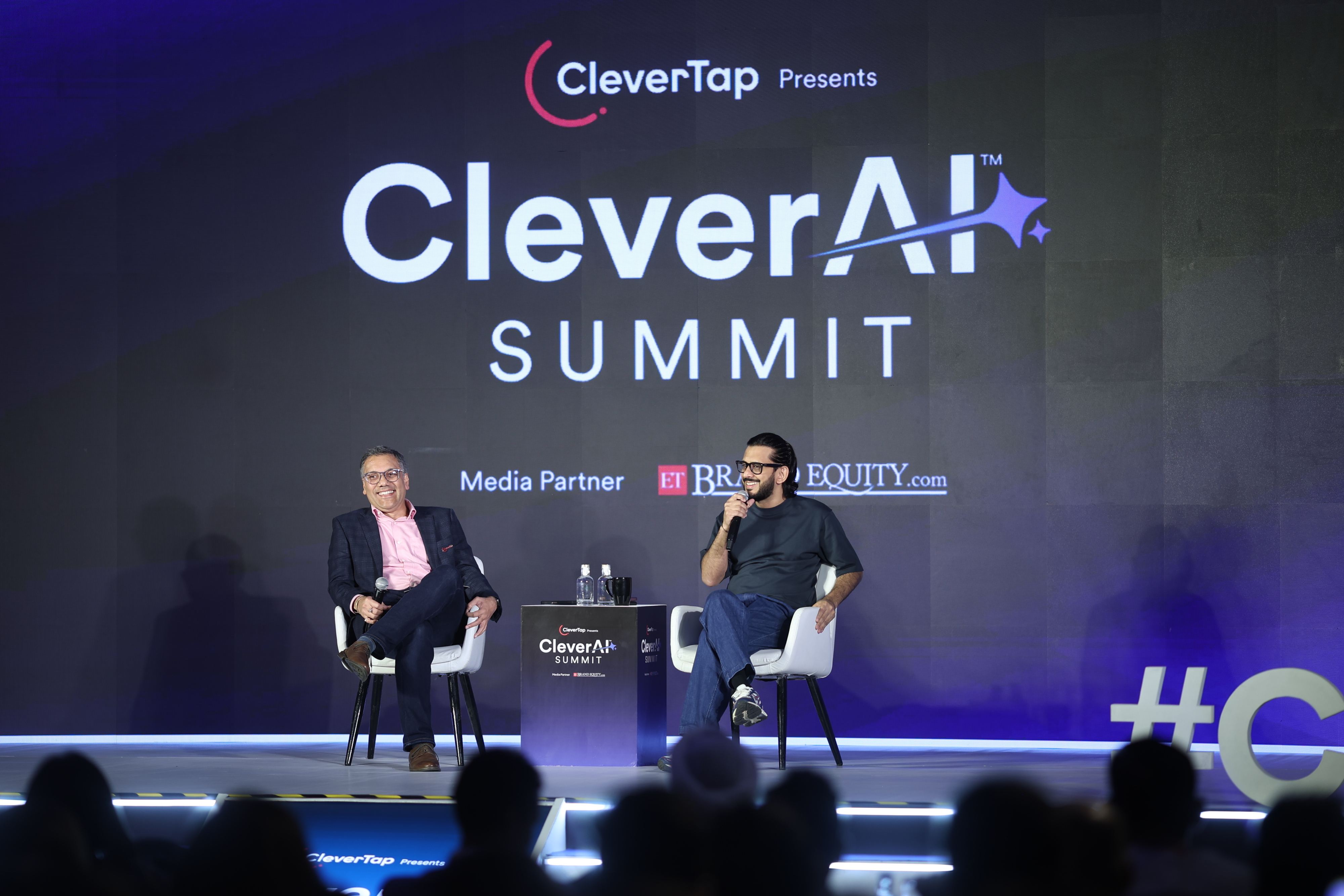
As AI becomes more capable of determining how to achieve an objective, marketers must become more deliberate about defining why that objective matters in the first place. That is where experience, judgment, and a clear understanding of the brand will continue to make the difference.
5. Better Intelligence Should Make Marketers Bolder, Not More Predictable
There is one quality that has consistently distinguished memorable marketing from the ordinary: the willingness to take a considered creative risk.
Technology has steadily made marketing more measurable and predictable. AI is now extending those capabilities, enabling teams to test variations, assess performance, identify patterns, and make informed decisions at greater speed and scale.
These capabilities are valuable, but they also present a subtle risk. When every decision is guided by what has worked before, marketing can become excessively cautious. Teams begin to favor familiar formats, proven approaches, and ideas that are easier to justify. The result may be efficient marketing, but not necessarily distinctive marketing.
The Summit conversations offered a timely reminder that creativity still requires conviction, and that not every great idea can be validated in advance. Experienced marketers understand that data and instinct are not always competing forces. Data provides evidence, and experience helps interpret it. But creative judgment sometimes recognizes an opportunity before the numbers can establish its potential.
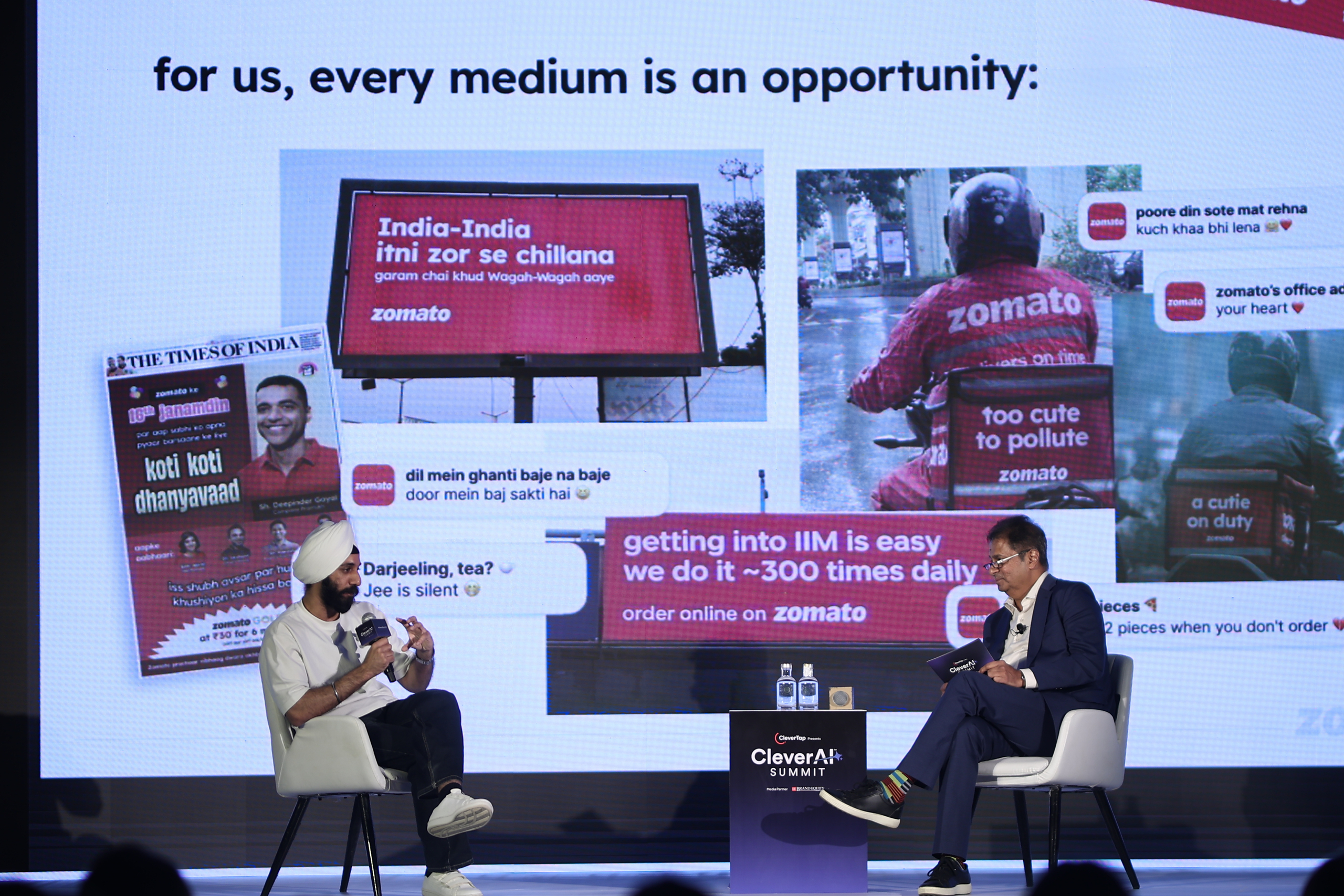
This is particularly true when brands participate in cultural conversations. The objective should not be to react to every trend or moment that captures public attention but to recognize where the brand has a credible role to play and what it can contribute.
That requires a clear understanding of brand identity, audience expectations, and context. Sometimes the right response is humor. Sometimes it calls for sensitivity. And sometimes the most confident decision is to remain silent.
Bold marketing also requires leaders who are prepared to support their teams when an idea does not deliver the expected result. A culture that penalizes every unsuccessful experiment will eventually produce teams that avoid experimentation altogether.
What matters is the ability to reflect on what happened, understand why, and apply those lessons to future decisions. Experience alone does not guarantee improvement; it is what organizations learn from that experience that makes the difference.
AI can strengthen this process by helping teams evaluate outcomes and identify patterns more quickly. But the confidence to take creative risks, and the culture that supports them, must still come from leadership.
The purpose of better intelligence should not be to make every brand more predictable. It should be to give marketers the confidence to make better-informed, more courageous choices.
What This Means for the Marketer
The Era of Live Intelligence is not about doing more marketing, faster. It is about making better decisions for each customer, learning from every outcome, and giving marketers more room to focus on the goals, judgment, and creativity only they can provide.
Looking back at the conversations from the CleverAI™ Summit, what struck me most was how often we returned to the fundamentals of good marketing: understanding the customer, making relevant decisions, building trust, exercising judgment, encouraging creativity, and learning from experience.
These principles have always guided effective marketing. What is changing is our ability to put them into practice at a level of speed, precision, and scale that was once beyond reach. AI is making it possible to translate customer understanding into relevant decisions and experiences while the moment still matters.
This also calls for a shift in how marketers approach their work. As AI takes on more customer-level decisioning and execution, marketers have an opportunity to move beyond managing every interaction to shaping the outcomes those interactions should achieve. Their judgment becomes more important, not less – in setting the strategy, defining the guardrails, and ensuring that every decision serves both the customer and the business.
Having worked through several waves of marketing transformation, one lesson remains particularly relevant: the greatest value of intelligence is not in helping us do more of what we already do, but in allowing us to do things fundamentally better.

Sangeeta Jash 
VP, Marketing
Free Customer Engagement Guides
Join our newsletter for actionable tips and proven strategies to grow your business and engage your customers.