













































Table of Contents
Categories
Most Popular


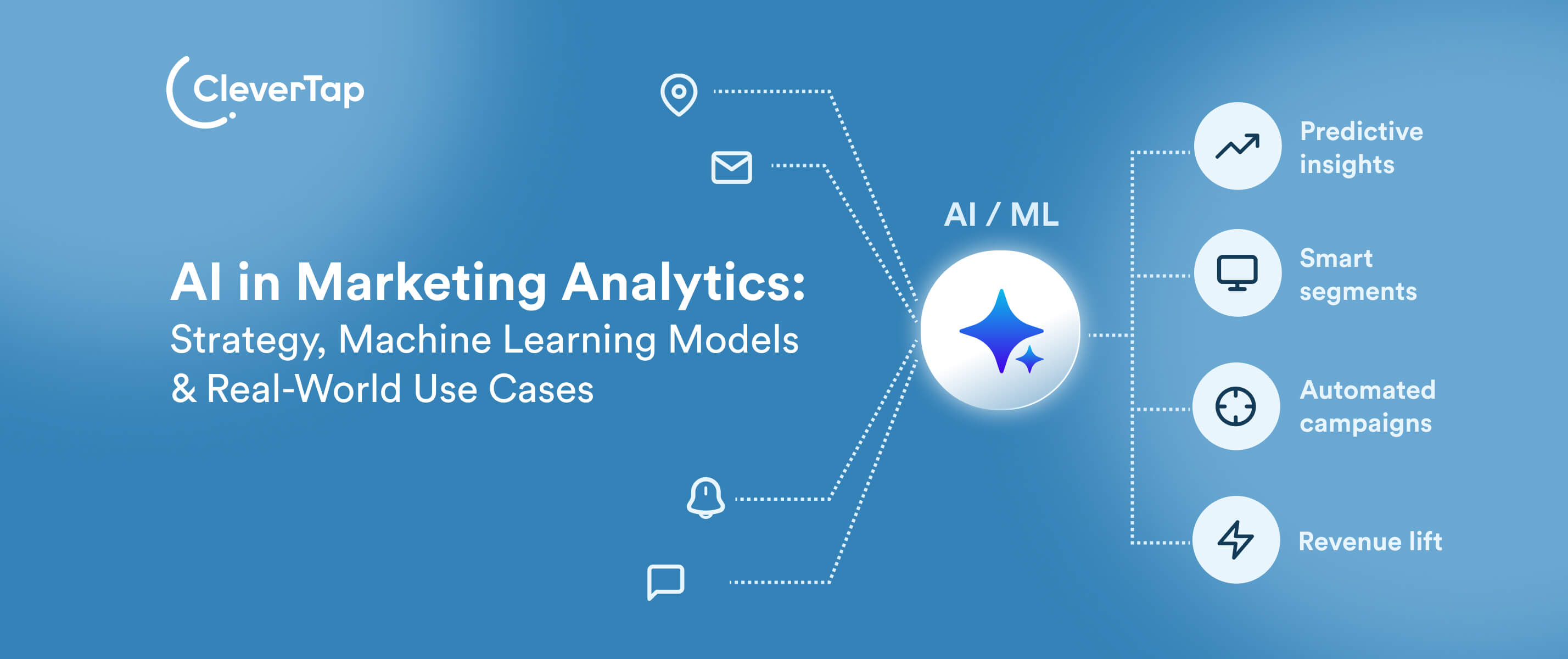
The role of analytics is rapidly shifting from descriptive dashboards to predictive intelligence in the B2C marketing space. Instead of simply reporting what happened, artificial intelligence (AI)-powered analytics helps marketers anticipate what will happen next, enabling more proactive decision-making. By analysing large volumes of customer data, AI can forecast behaviours such as churn risk, next purchase likelihood, and customer lifetime value.
This predictive capability gives brands a significant competitive advantage, particularly in retention-led growth strategies. The shift is not just about better forecasting, but about enabling faster and more confident decision-making at scale.
AI also enables marketers to identify high-value customer segments and deliver personalised engagement at scale across channels. Rather than replacing marketers, AI augments their capabilities by surfacing insights, patterns, and opportunities that would be difficult to detect manually. As a result, marketing teams can move beyond reactive reporting and focus on timely, data-driven actions that improve customer experiences and long-term loyalty.
However, the effectiveness of AI depends heavily on data quality, infrastructure, and how well insights are translated into action, not just on the models themselves.
What AI in Marketing Analytics Means for B2C Brands
AI in marketing analytics transforms raw customer data into real-time predictive insights. Instead of relying on static reports that only explain past performance, AI models help marketers anticipate future customer behaviour, such as who is likely to churn, who may make a purchase soon, or which users are most likely to increase spending. This shift from descriptive reporting to predictive intelligence allows brands to make faster and more proactive decisions.
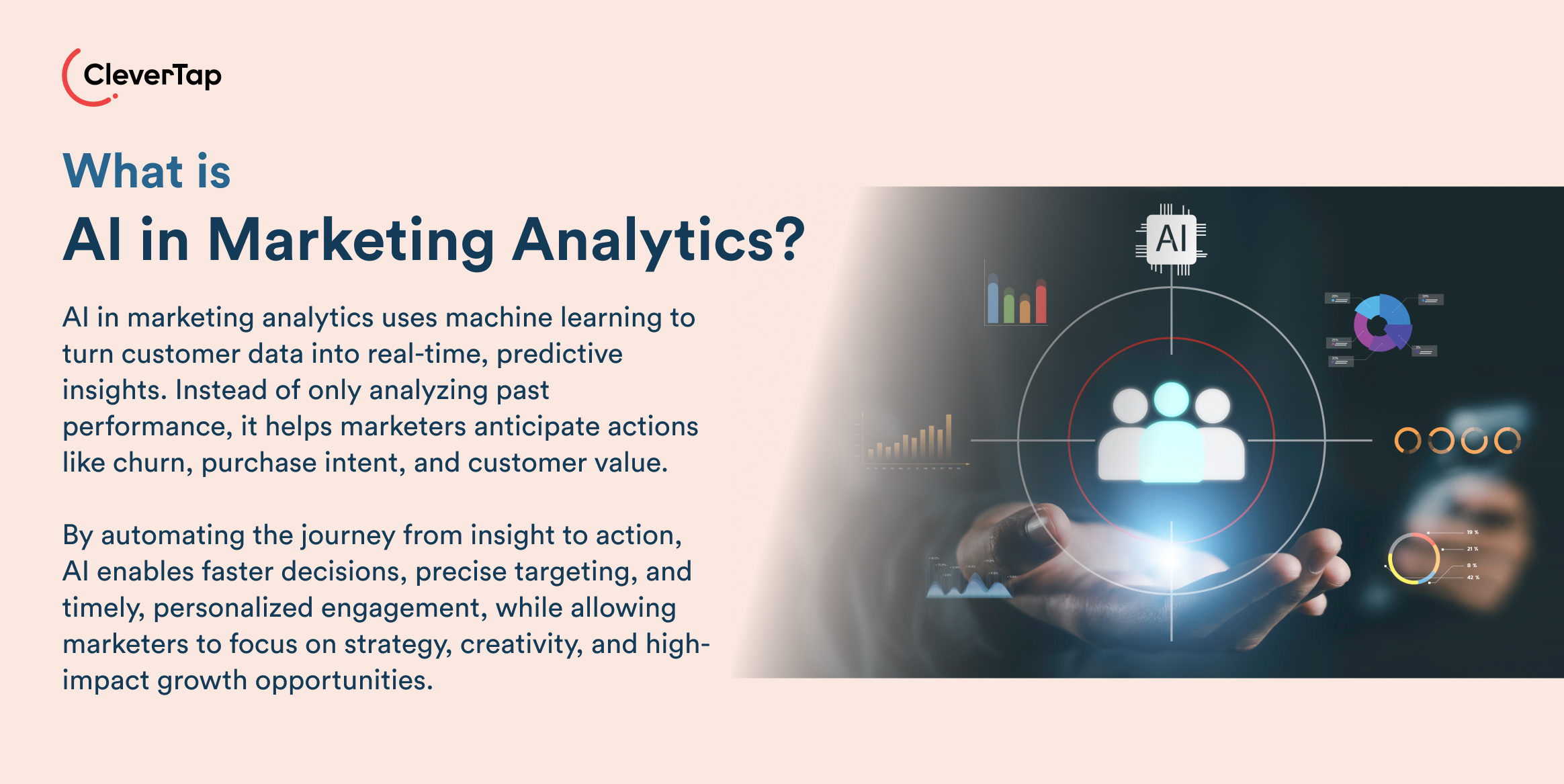
A key advantage of AI is its ability to automate the insights-to-action loop. When AI detects important behavioural patterns, it can immediately trigger marketing actions. For example, if a fintech platform identifies a newly registered customer who hasn’t completed a first transaction, the system can automatically flag the user as high churn-risk and trigger a targeted push notification or email with a tailored offer.
The real value lies in reducing the time between insight and action, which is often where traditional analytics systems fall short. AI also helps marketers identify high-value customer segments based on engagement patterns, purchase history, and predicted lifetime value. These insights enable more precise targeting and personalised campaigns across channels.
It is important to remember that AI does not replace marketers. Instead, it augments their capabilities by automating complex data analysis, surfacing opportunities, and enabling teams to focus on strategy, creativity, and customer experience. In practice, this shifts the marketer’s role from executing campaigns to defining decision frameworks and prioritising high-impact actions.
The Role of Machine Learning Models in Lifecycle Marketing
Machine learning (ML) models power many of the predictive capabilities that modern lifecycle marketing relies on. These models analyse historical customer behaviour and engagement signals to forecast future actions, helping marketers personalise experiences and improve retention. In practice, these models act as the decision layer behind lifecycle marketing, guiding which users to prioritise, when to act, and what action to take.
One key model is predictive customer lifetime value (CLV) modeling, which estimates how much revenue a customer is likely to generate over time. By identifying high-value users early, brands can prioritise loyalty programs, premium experiences, or targeted offers for those segments. This allows marketing investment to be aligned with expected return rather than distributed evenly across all users.
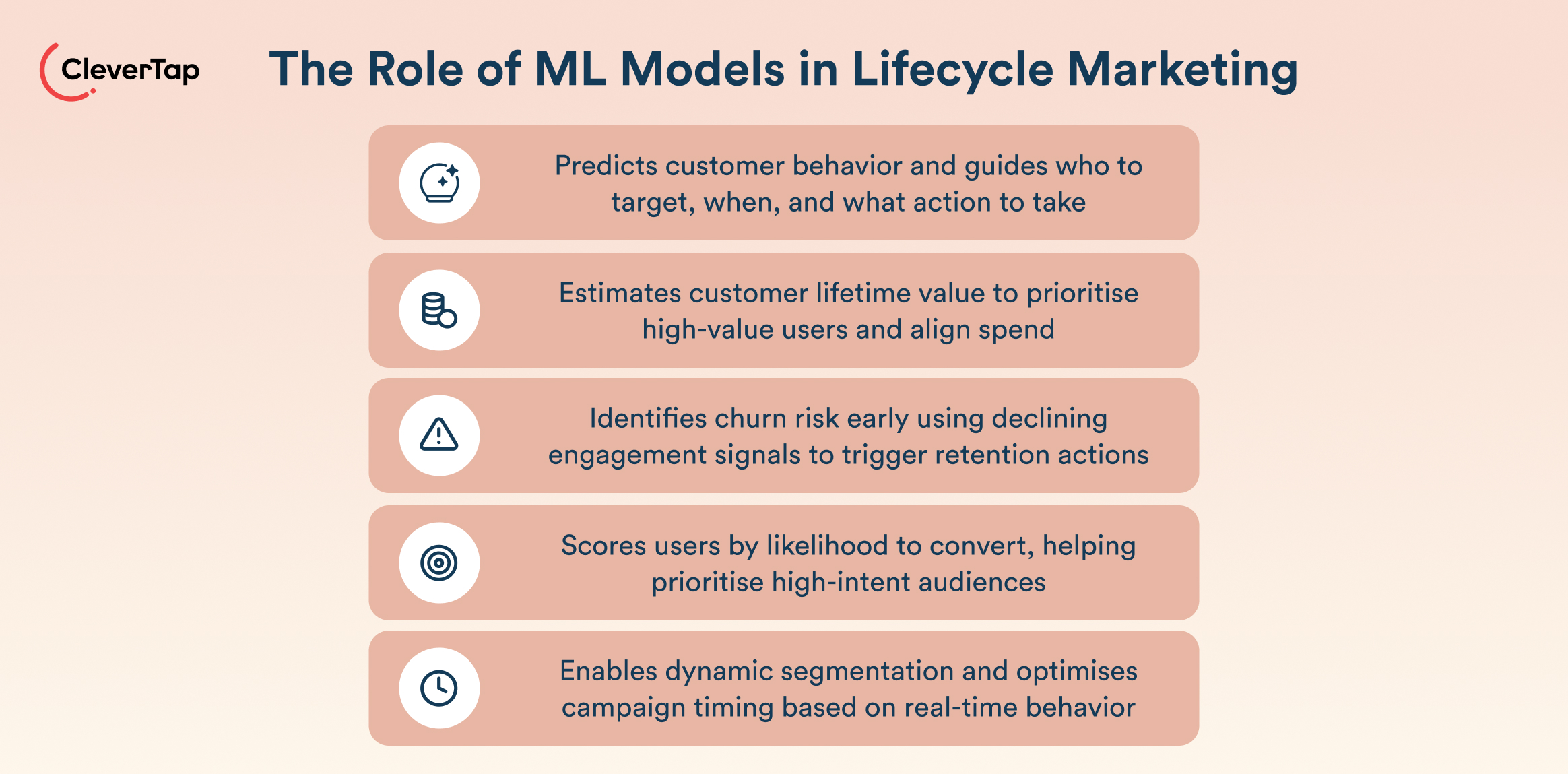
Churn prediction models focus on retention. By analysing patterns such as declining app usage or reduced engagement, these models identify customers at risk of leaving, so marketers can trigger re-engagement campaigns before churn occurs. The effectiveness of churn prediction depends on how early these signals are detected, since late-stage churn is significantly harder to reverse.
Another widely used approach is propensity-to-convert scoring, which assigns users a probability of completing a purchase or desired action. Marketing teams can then focus promotions and messaging on customers most likely to convert.
AI also enables dynamic behavioural segmentation, automatically grouping users into segments such as cart abandoners or inactive users based on real-time behaviour.
Finally, campaign timing optimisation models analyse when users are most responsive and schedule messages at the ideal moment, improving engagement rates and overall campaign effectiveness. Together, these models shift lifecycle marketing from rule-based execution to probability-driven decisioning, where actions are prioritised based on predicted impact.
Why AI Marketing Analytics Is Critical for Retention-Led Growth
Retention-led growth focuses on maximising value from existing customers, and AI marketing analytics plays a critical role in achieving this by improving key business metrics.
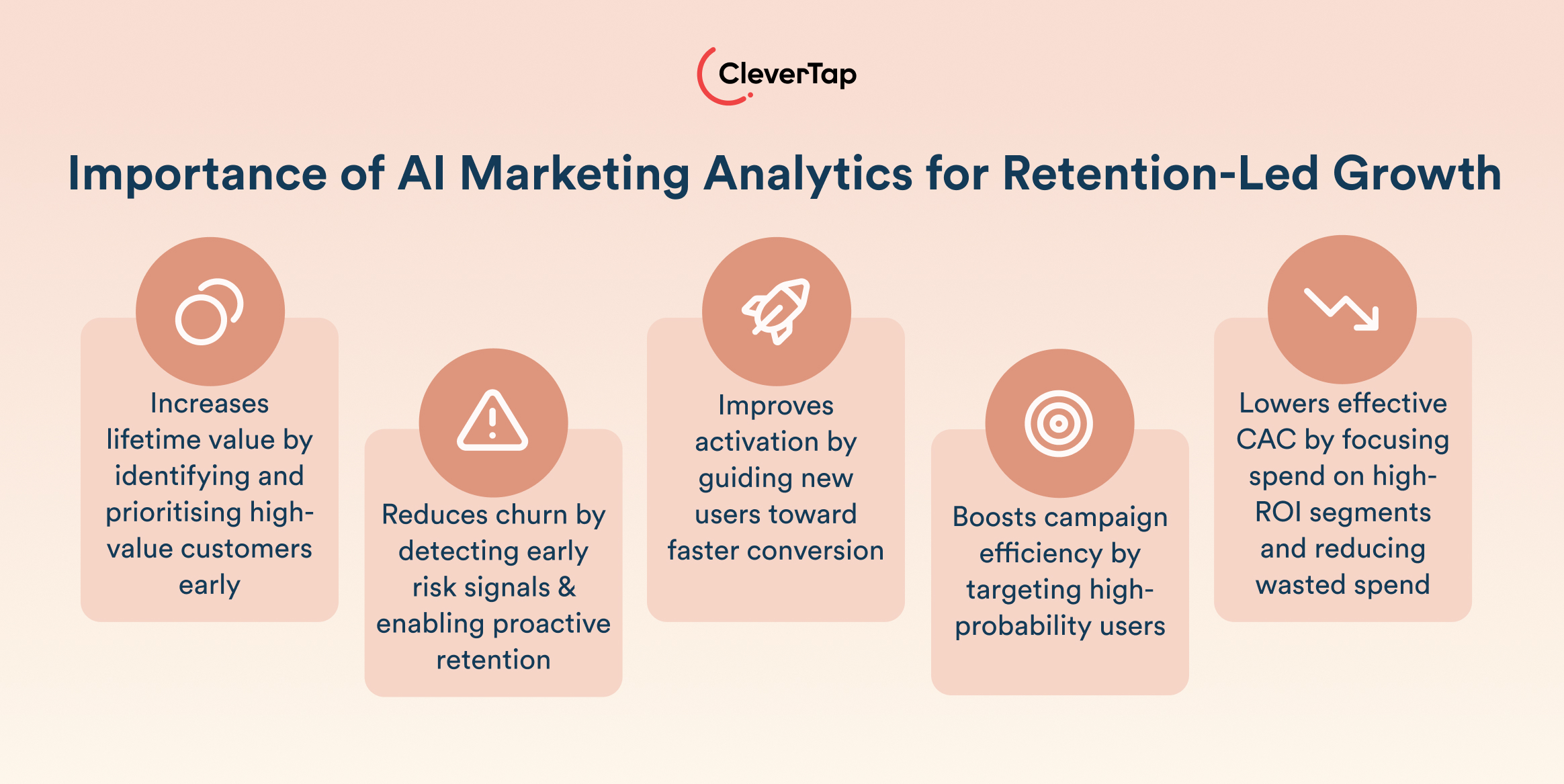
- Increase lifetime value (LTV): AI helps identify high-value customers early through predictive CLV modelling. By prioritising these users with personalised offers, loyalty rewards, or cross-sell recommendations, brands can generate more revenue per customer. Targeted incentives for high-value cohorts often lead to higher repeat purchases and stronger long-term profitability.
This ensures that retention efforts are focused on customers who contribute the most to long-term revenue, rather than treating all users equally. - Reduce churn: Predictive churn models analyse behavioural signals such as declining engagement or reduced transactions to identify customers at risk of leaving. Marketers can then trigger proactive win-back campaigns. Even small reductions in churn significantly increase revenue because customers remain active and continue spending over a longer period.
The impact of churn reduction compounds over time, making early intervention significantly more valuable than late-stage recovery. - Improve Activation: AI improves onboarding by predicting which new users are most likely to convert and prompting timely nudges or guidance. Faster activation means more users transition from sign-up to paying customers, directly increasing early-stage revenue.
- Higher Campaign Efficiency: By targeting users with the highest predicted propensity to engage or convert, AI dramatically improves campaign performance. Marketing budgets are spent more efficiently, delivering higher engagement and conversion rates. This reduces wasted spend on low-probability users and improves overall campaign ROI.
- Lower Effective CAC: Because AI focuses spending on high-ROI segments and automates targeting, the cost of acquiring or converting customers decreases, improving overall marketing ROI. Over time, this creates a more sustainable growth model where retention and acquisition work together more efficiently.
Core Use Cases of AI and Machine Learning in Marketing Analytics
Mentioned below are five core use cases of AI and machine learning in marketing analytics.
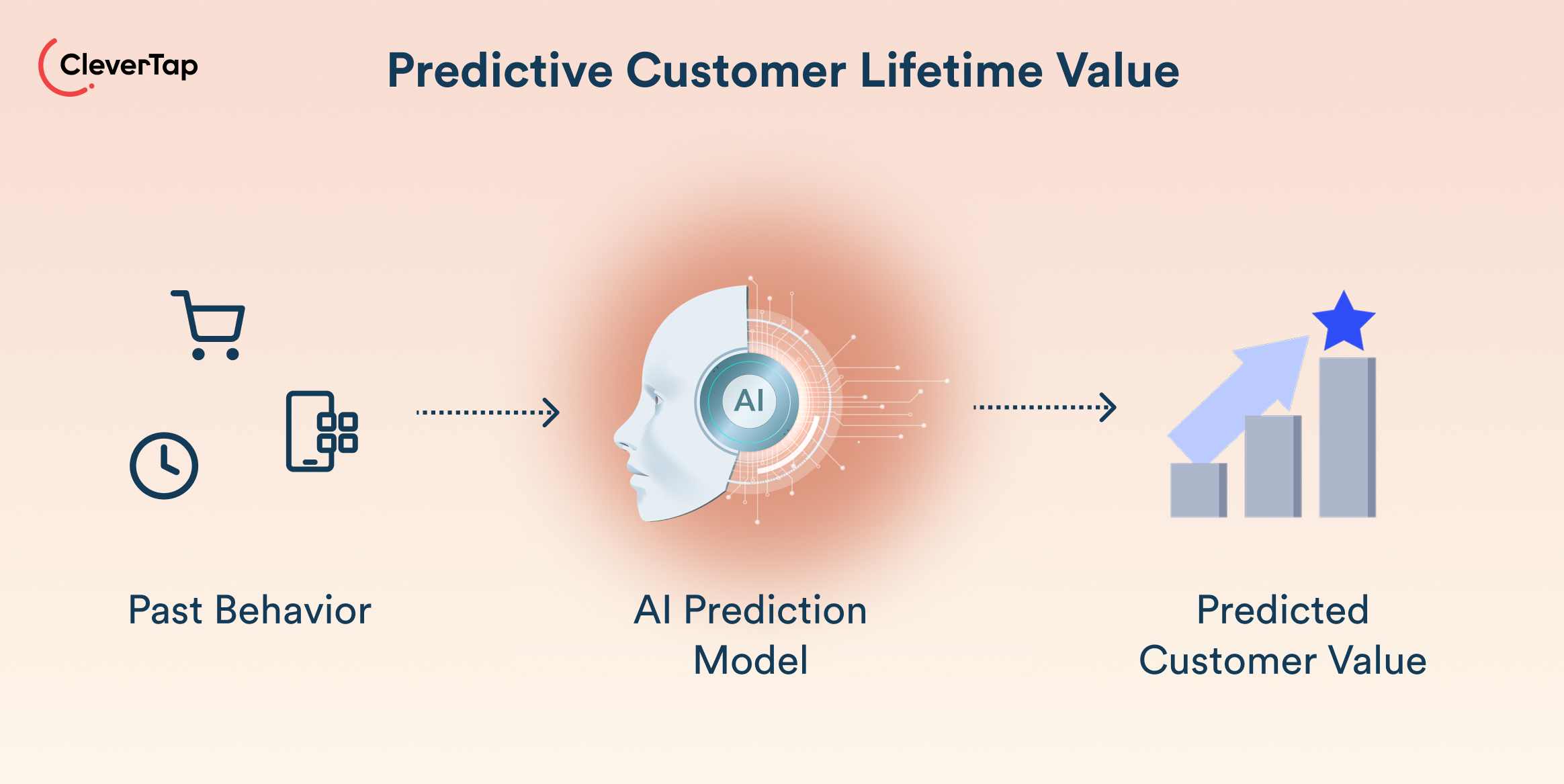
1. Predictive Customer Lifetime Value
Problem: Marketers often struggle to identify which customers will generate the most value over time. Without this visibility, marketing budgets are spread across low- and high-value users alike.
AI application: Predictive CLV models analyse historical purchases, engagement patterns, and behavioural signals to estimate each customer’s future lifetime value.
Impact: By prioritising high-CLV segments with personalised offers, loyalty programs, and upsell campaigns, brands can maximise revenue from their most valuable customers. Companies such as Amazon and Netflix use similar forecasting approaches to focus marketing efforts on their highest-value users.
This shifts resource allocation from broad targeting to value-based prioritisation, improving both efficiency and long-term profitability.
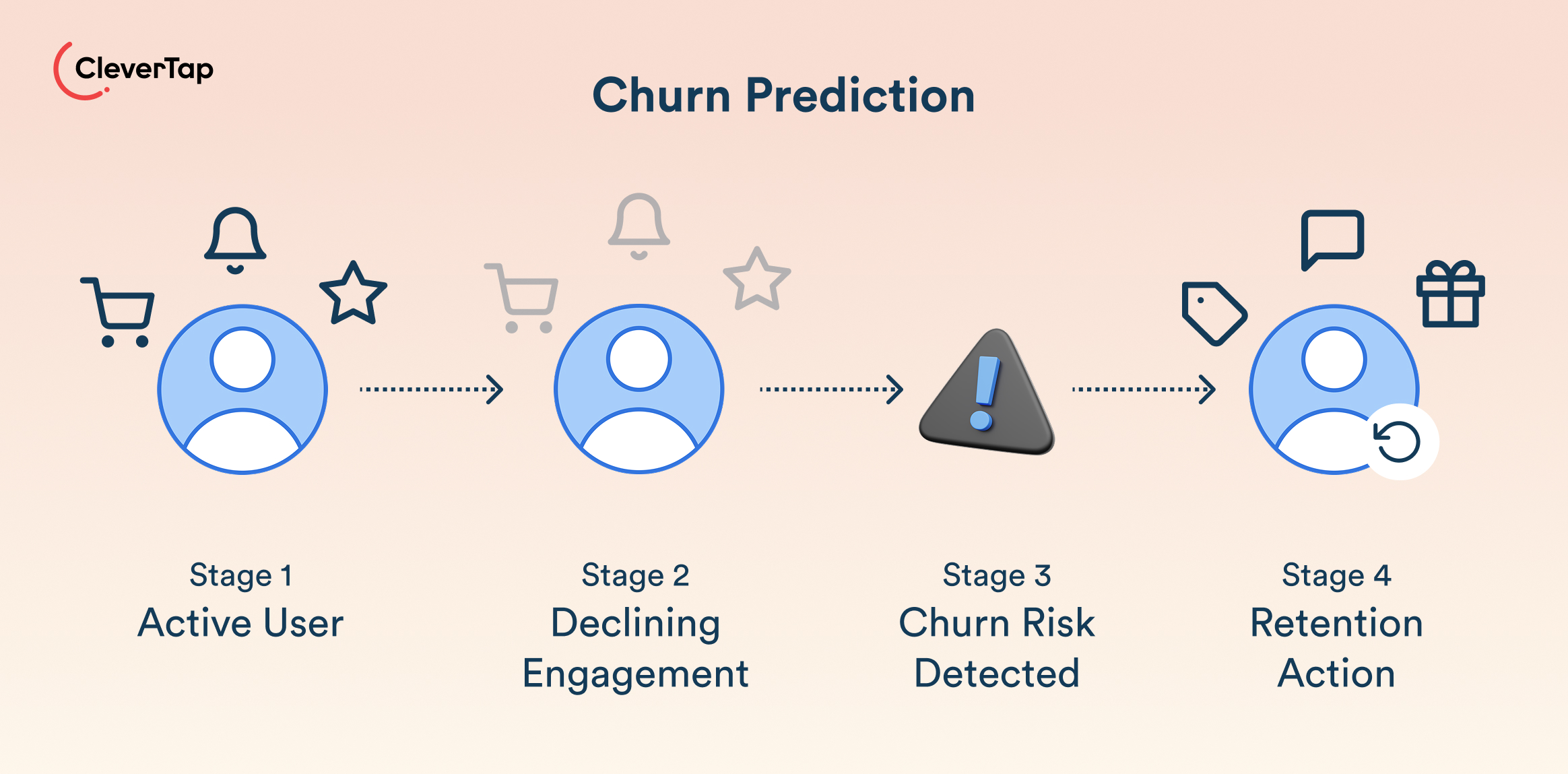
2. Churn Prediction
Problem: Customer churn is often detected too late, when engagement has already dropped significantly.
AI application: Churn prediction models analyse behavioural signals such as declining app usage, reduced transactions, or negative interactions to estimate the probability that a customer will leave.
Impact: Marketers can trigger proactive retention campaigns for high-risk users. Streaming platforms like Spotify use churn prediction signals to identify subscribers likely to cancel and send targeted offers or personalised recommendations to keep them engaged.
The earlier churn signals are detected, the higher the probability of successfully reversing user drop-off.
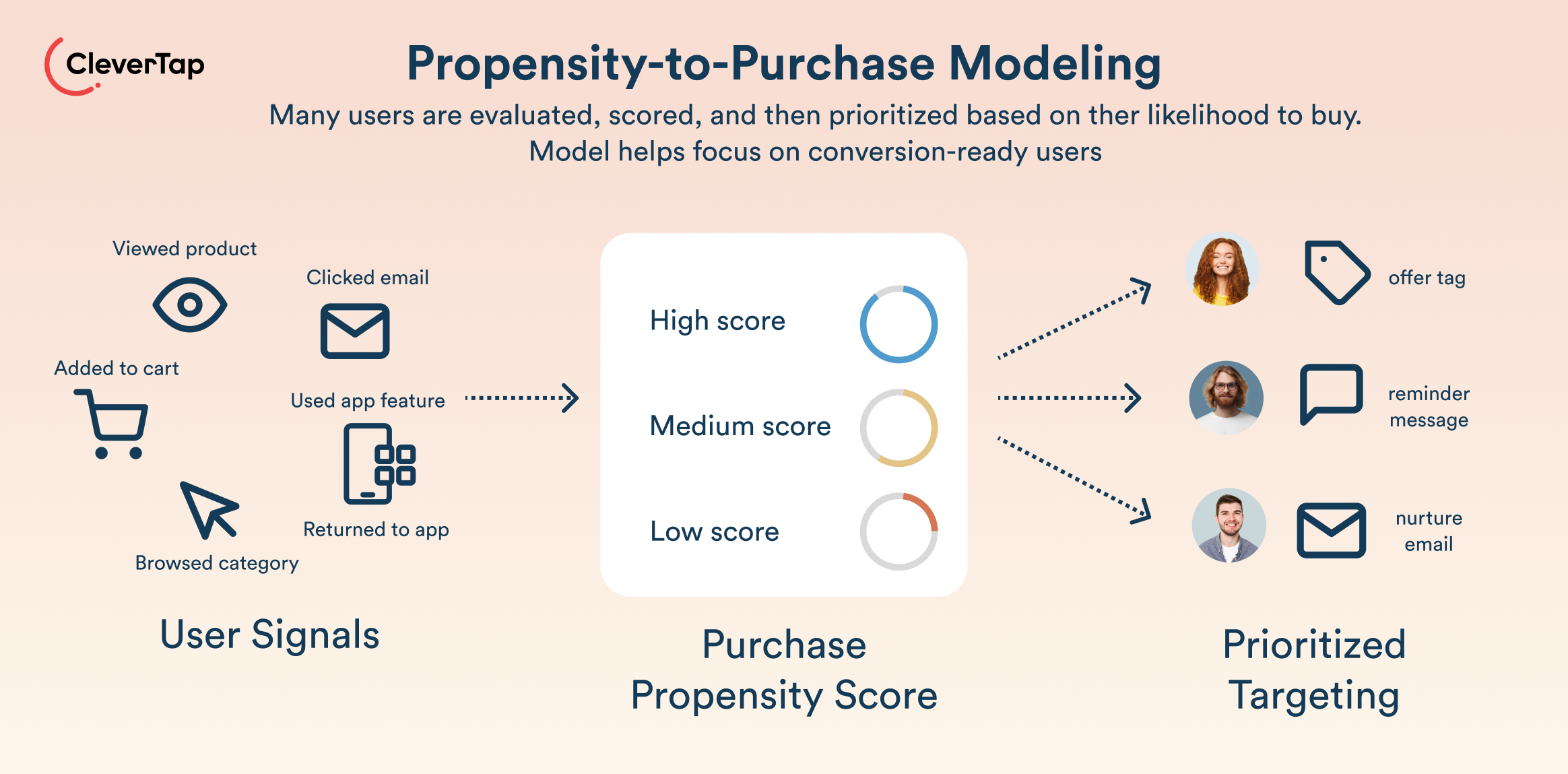
3. Propensity-to-Purchase Modeling
Problem: Broad marketing campaigns often waste budget on customers unlikely to convert.
AI application: Propensity models score each user’s likelihood of completing a purchase based on browsing behaviour, past transactions, and engagement signals.
Impact: By targeting customers with the highest probability of conversion, brands improve campaign efficiency and increase ROI. Retail platforms frequently use propensity scoring to prioritise product promotions for shoppers most likely to buy.
This reduces unnecessary discounting and ensures incentives are directed toward users who are most likely to respond.
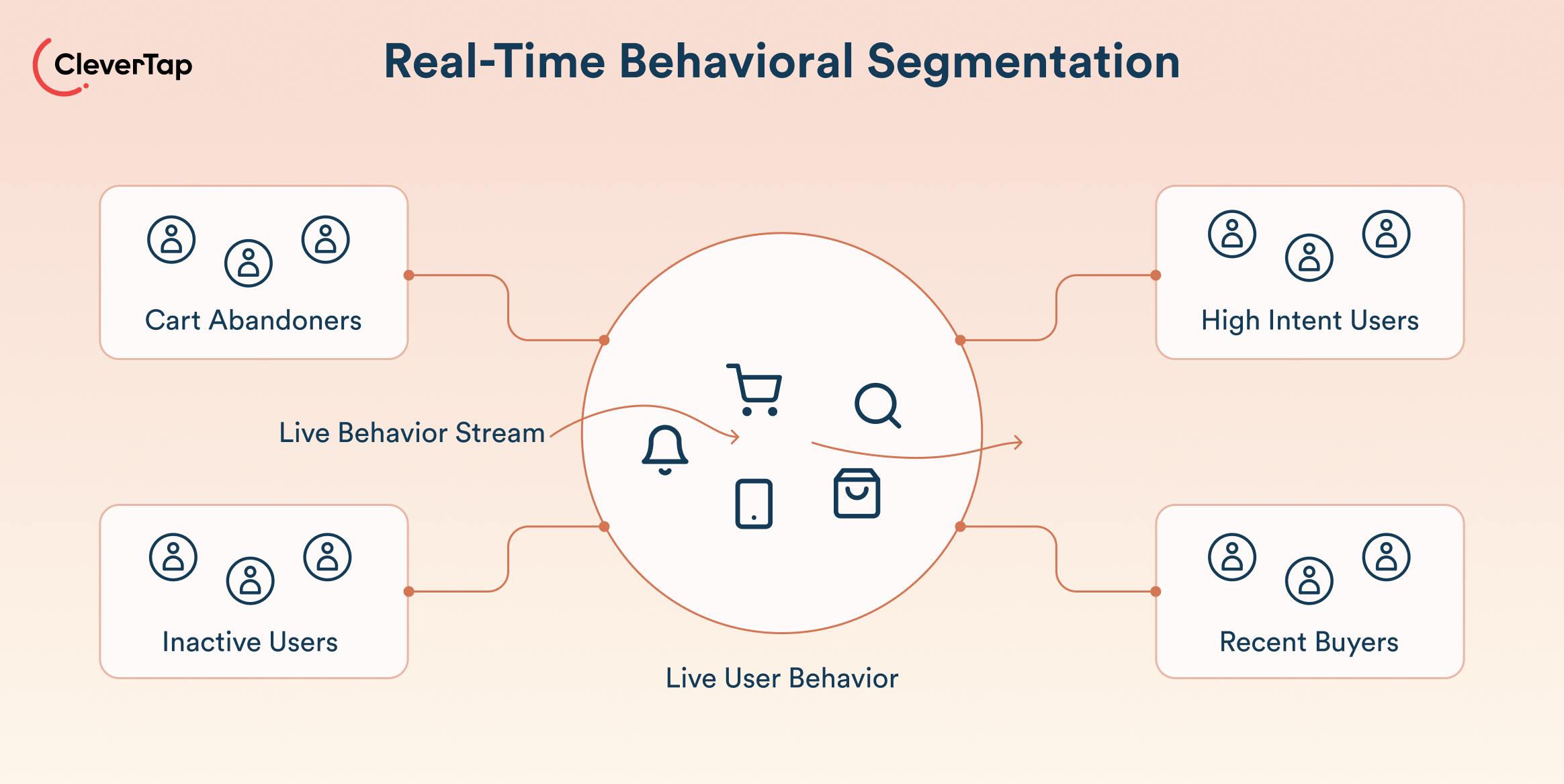
4. Real-Time Behavioral Segmentation
Problem: Static customer segments quickly become outdated as behaviour changes.
AI application: AI-driven segmentation dynamically groups users based on real-time behaviour, such as cart abandonment, inactivity, or frequent engagement.
Impact: Marketers can instantly trigger personalised campaigns when behaviour changes. For example, on-demand delivery platforms like Instacart use behavioural triggers to send reminders or discounts to users who abandon their carts, improving activation and recovery rates.
This allows segmentation to continuously evolve rather than relying on predefined rules that lose relevance over time.
5. Campaign Timing and Frequency Optimization
Problem: Poor message timing or excessive messaging can lead to low engagement and customer fatigue.
AI application: Machine learning models analyse historical response patterns to determine the optimal time and frequency to send messages for each user.
Impact: By delivering campaigns when users are most likely to engage, brands improve open rates, click-through rates, and conversions while reducing message fatigue.
This balances engagement and user experience, preventing over-messaging while maximising response rates.

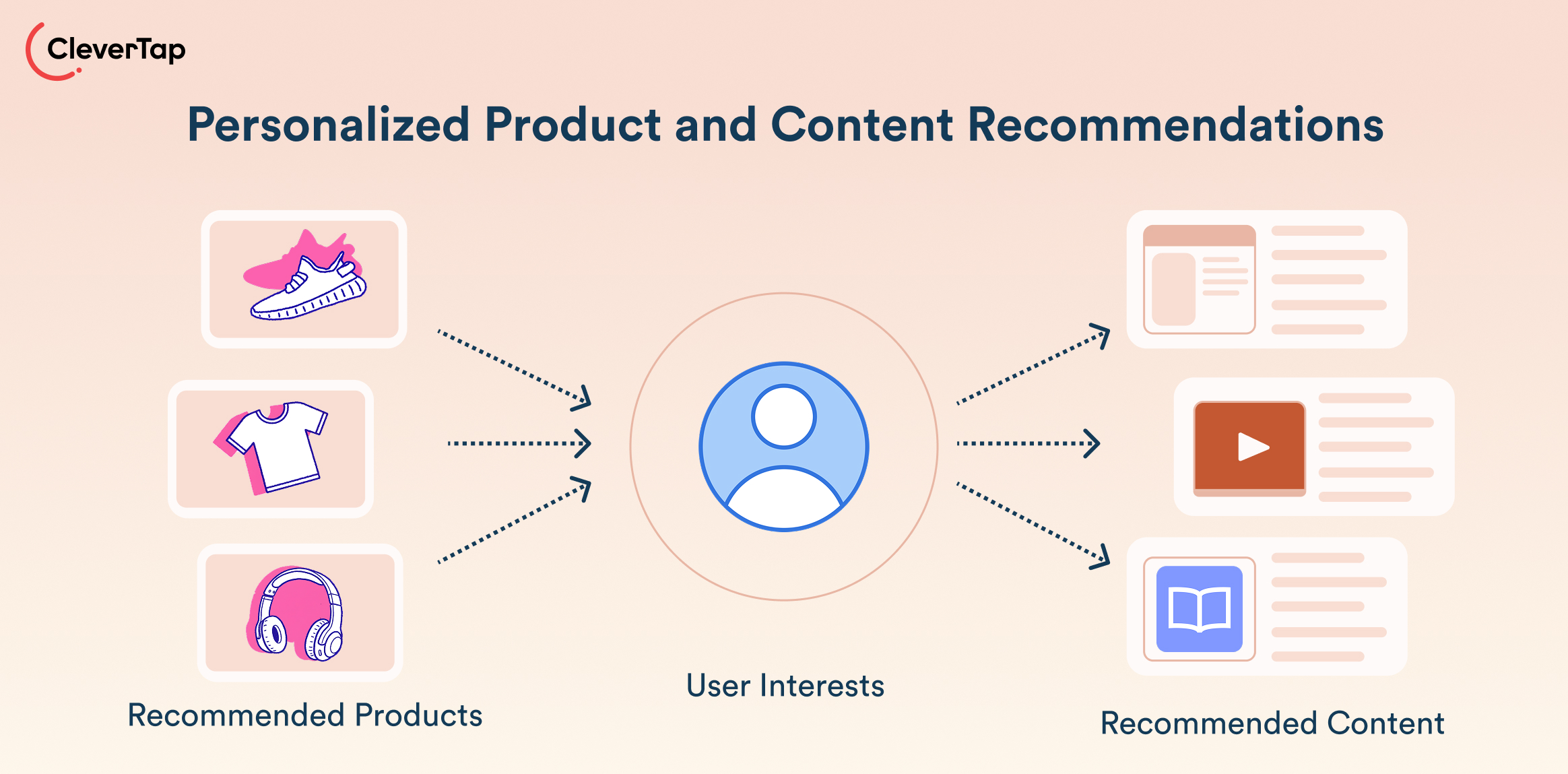
6. Personalized Product and Content Recommendations
Problem: Generic offers and content fail to match individual customer preferences.
AI application: Recommendation engines analyse browsing behaviour, purchase history, and similarities between users to suggest relevant products or content.
Impact: Personalised recommendations drive higher engagement and sales. Quick commerce brands invest in personalized engagement through AI-powered recommendation systems that tailor experiences for each user.
These systems improve both discovery and conversion by aligning content with individual intent in real time.
How AI Improves the Entire Customer Lifecycle
This is how AI helps at every stage of the customer journey:
- Acquisition: AI finds lookalike audiences and optimises ad spend. Machine learning can model which prospects resemble your best customers, lowering customer acquisition cost (CAC). It can even predict early LTV to recruit only high-potential users.
This allows acquisition strategies to focus not just on volume, but on long-term value from the very first interaction. - Activation: New users are guided faster to their first success. AI-driven onboarding flows, such as emails and in-app messages, adapt to each user’s initial actions, improving the chance they become active customers quickly.
Early-stage interventions are critical, as activation strongly influences long-term retention and lifetime value. - Engagement: For active customers, AI personalises product or content recommendations and messaging. Real-time scoring, e.g., recency/frequency metrics, feeds into dynamic campaigns. Each user experience feels tailored, driving higher engagement and conversion rates.
This ensures that engagement strategies remain relevant as user behaviour evolves over time. - Retention and churn prevention: AI monitors for churn signals like inactivity and intervenes automatically. Automated win-back journeys send personalised offers to at-risk customers exactly when needed, saving many from dropping off.
The timing of these interventions is critical, as earlier engagement significantly improves retention outcomes. - Re-engagement: AI reactivates lapsed users by identifying which ones are most likely to return. Targeted win-back campaigns are then sent with incentives. Because AI segments lapsed users by value, these campaigns focus on those worth the spend, maximising ROI on reactivation efforts.
This ensures that re-engagement efforts are both cost-efficient and strategically prioritised.
In this way, AI connects the dots across the full funnel. It turns insights at every stage into immediate actions, such as adding a user to a journey, adjusting a message, or tweaking a campaign, ensuring marketing is continuously optimised. Instead of treating each lifecycle stage independently, AI creates a connected system where signals from one stage inform actions in the next.
Challenges of Implementing AI in Marketing Analytics
AI offers significant advantages in marketing analytics, but successful implementation requires overcoming several practical challenges.
- Data fragmentation: Customer data is often spread across multiple systems, such as web analytics platforms, mobile apps, customer relationship management (CRM) tools, and marketing automation platforms. When data is siloed or inconsistent, AI models cannot generate accurate predictions. Building unified data pipelines and maintaining high-quality data is essential for reliable AI insights.
- Event tracking gaps: AI models rely on behavioural data to detect patterns. If important events, such as product views, purchases, or feature usage, are not tracked properly, the models may miss key signals. Careful event tracking design and regular data quality checks are necessary before applying AI analytics.
- Model transparency and trust: Many AI models operate as black boxes, making it difficult for marketers to understand why a prediction or segment was generated. Providing explainability, such as highlighting the factors influencing a prediction, helps build trust and encourages wider adoption within marketing teams.
- Privacy and compliance: Using customer data for AI-driven marketing must comply with regulations such as the General Data Protection Regulation (GDPR) and Central Consumer Privacy Act (CCPA). Businesses must ensure proper user consent, data governance, and privacy protections when deploying AI systems.
- Over-automation risks: While AI can automate many marketing decisions, completely removing human oversight can lead to mistakes or excessive messaging. Maintaining a human-in-the-loop ensures campaigns remain strategic and customer-friendly.
Operationalizing AI in Marketing Analytics
Turning AI from theory into practice requires a structured, practical approach that connects predictive insights directly to marketing execution and business outcomes.
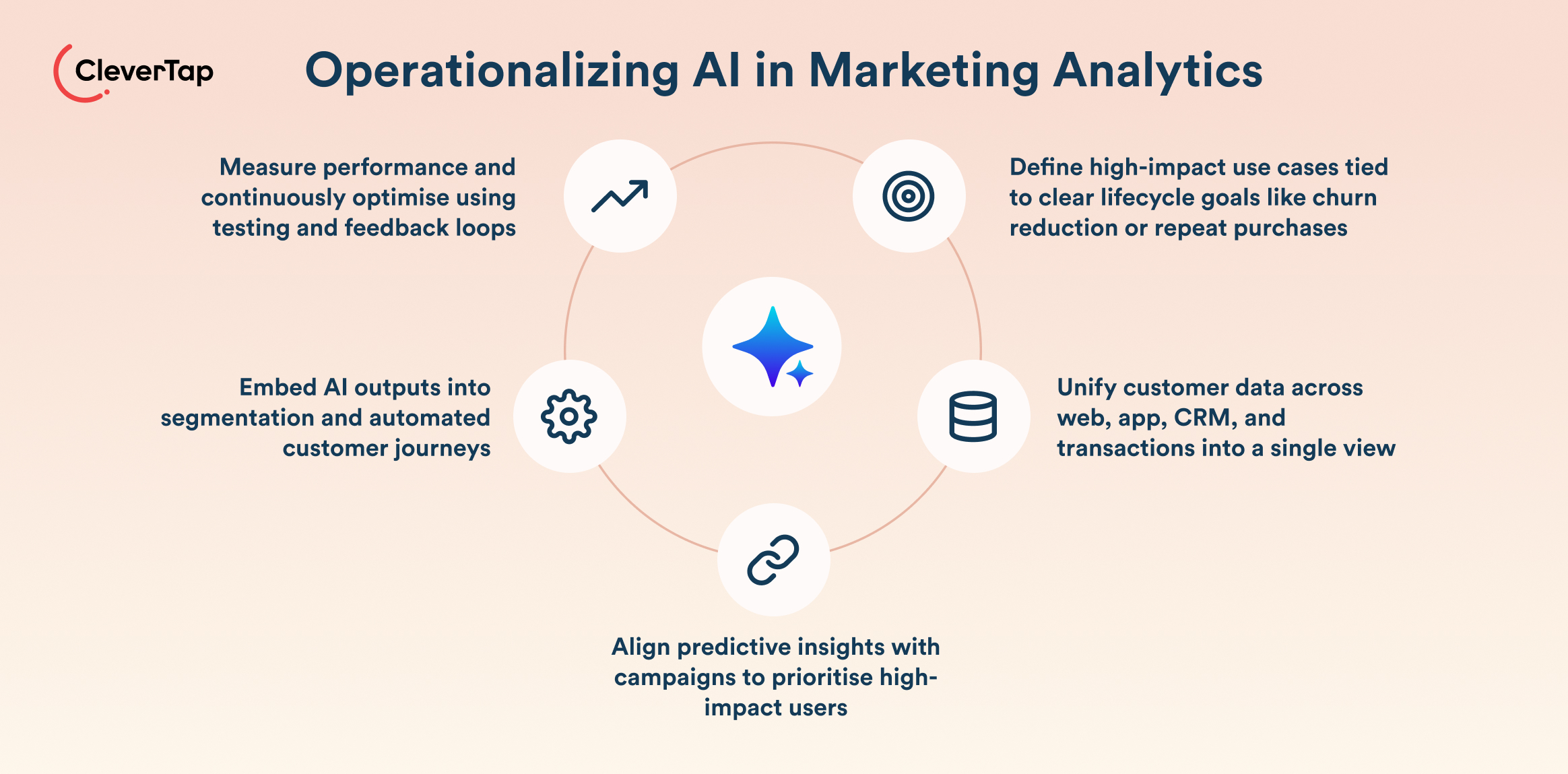
1. Define High-Impact Lifecycle Use Cases
Start by identifying a few high-impact use cases tied to measurable business goals, such as reducing churn, increasing repeat purchases, or improving activation rates. Focusing on specific lifecycle stages ensures AI initiatives deliver meaningful revenue impact rather than becoming isolated experiments.
2. Unify Customer Data Infrastructure
AI models rely on comprehensive customer data. Building a unified data platform or customer data platform (CDP) that consolidates web, app, CRM, and transaction data ensures each customer profile reflects the complete journey. Clean, consistent data pipelines allow AI models to generate reliable predictions and actionable insights.
3. Align Predictive Insights With Campaign Strategy
Predictive analytics should directly inform marketing decisions. For example, churn-risk scores can guide retention campaigns, while high CLV predictions can trigger loyalty or upsell initiatives. When predictive insights are embedded into campaign planning, marketing teams can prioritise the users most likely to drive revenue impact.
4. Embed AI Outputs Into Segmentation and Journeys
Model outputs such as propensity scores, churn probabilities, or behavioural segments should feed directly into marketing automation tools. These insights can dynamically update audience segments and trigger personalised journeys across email, push notifications, or in-app messaging. Automated workflows then ensure campaigns respond instantly to changing user behaviour.
5. Measure Impact and Continuously Iterate
Finally, track how AI-driven campaigns affect core metrics such as retention, conversion rates, and revenue. Running A/B tests or holdout experiments helps validate whether predictive models are improving outcomes. Continuous measurement and refinement ensure models and campaigns evolve as customer behaviour changes.
Real-World Examples of AI Marketing Analytics in Action
Across industries, these examples show a clear pattern. AI identifies the behavioral signal, marketing automation triggers a personalized action, and measurable improvements are achieved in retention, engagement, or revenue.
1. Example from Fintech – Paysend
Problem: The global money transfer platform, Paysend, wanted to increase repeat transactions and improve engagement across its growing user base.
AI model: Using CleverTap, Paysend implemented predictive segmentation, real-time behavioral analytics, and automated lifecycle journeys to target users based on actions such as registration, transaction history, and inactivity.
Result: Personalized campaigns delivered strong engagement results. Push notification click-through rates reached 17%. The platform also achieved a 23% quarter-over-quarter increase in repeat transactions and a 22% increase in weekly registrations, demonstrating how predictive segmentation and automated journeys can directly drive revenue growth.
2. Example from B2B Marketplace – Tradeling
Problem: The marketplace struggled with generic communication and low engagement because its existing CRM tools lacked personalization capabilities.
AI model: By adopting CleverTap, Tradeling used automated lifecycle journeys, behavioral segmentation, and push notification campaigns tailored to user activity.
Result: AI-driven campaigns significantly improved engagement and conversions. Push notification CTR increased 3.7X, while automated journeys generated thousands of additional orders and helped accelerate overall conversion growth.
3. Example from Services and Payments Platform – Edenred
Problem: Many users dropped off during onboarding and before completing transactions.
AI model: The company used CleverTap Journeys to build automated behavioral campaigns that triggered reminders and contextual nudges when users abandoned key actions.
Result: Targeted lifecycle journeys successfully brought users back into the app. One cart-abandonment journey encouraged around 90% of users to return and complete mobile recharge transactions, significantly improving engagement and retention.
How CleverTap Applies AI and Machine Learning in Marketing Analytics
CleverTap is an all-in-one customer engagement platform that helps brands turn customer data into real-time, personalized marketing actions across the entire lifecycle. By combining analytics, segmentation, and cross-channel engagement in a single system, CleverTap enables marketers to move from insight to action without relying on multiple disconnected tools.
CleverTap integrates AI and machine learning across its platform to help brands turn customer data into real-time marketing actions. From predictive segmentation to automated campaign orchestration, the platform applies AI to improve retention, engagement, and lifecycle marketing performance. Rather than treating AI as a standalone feature, CleverTap connects data, decisioning, and execution into a single system that enables continuous optimisation across the customer lifecycle.
Predictive Segmentation Engine
CleverTap’s predictive segmentation engine analyses behavioural data across multiple channels to automatically identify meaningful customer cohorts. These micro-segments may include users likely to convert, high-value customers, or users showing early churn signals. By dynamically updating these segments based on real-time behaviour, marketers can target the right audience with personalised campaigns at scale.
These segments are continuously refreshed using real-time behavioural signals, ensuring targeting remains accurate as user behaviour evolves.
Churn and CLV Modeling
The platform includes built-in machine learning models that predict churn probability and customer lifetime value for every user. These predictive scores allow marketers to prioritise retention campaigns for at-risk users while focusing loyalty programs and upsell efforts on high-value customers.
By combining churn risk with value prediction, teams can prioritise interventions where they are most likely to drive measurable impact.
Automated Lifecycle Journeys
CleverTap’s journey orchestration tools allow marketers to design automated lifecycle campaigns triggered by user behaviour and predictive insights. These journeys guide users through onboarding, engagement, and retention stages with personalised messaging delivered at the right moment.
These journeys are not static flows, but adaptive systems that evolve based on real-time behaviour and predictive signals.
Real-Time Behavioral Scoring
Using behavioural analytics such as recency, frequency, and transaction data, CleverTap continuously evaluates user engagement. These real-time insights update segments dynamically, allowing marketers to trigger contextual messages when behaviour changes.
This reduces the delay between signal detection and campaign execution, which is critical for influencing user actions at the right moment.
AI-powered Campaign Optimization
CleverTap’s AI-driven optimisation engines analyse engagement signals to determine the best channel, message, and send time for each user. Features such as IntelliNODE help automate decision-making within journeys, ensuring campaigns adapt to each customer’s preferences.
This enables next-best-action decisioning, where the platform continuously determines the most relevant message, channel, and timing for each user based on predicted outcomes.
CleverAI Agents
CleverTap also provides CleverAI™ Agents, which allow marketers to interact with AI using natural language. Teams can describe campaign goals or audience conditions in plain language, and the AI automatically generates segments, filters, and insights, making advanced analytics accessible without requiring technical expertise.
These agents operate across different layers of the marketing workflow, including decision-making, content creation, and execution, helping teams move from insight to action more efficiently.
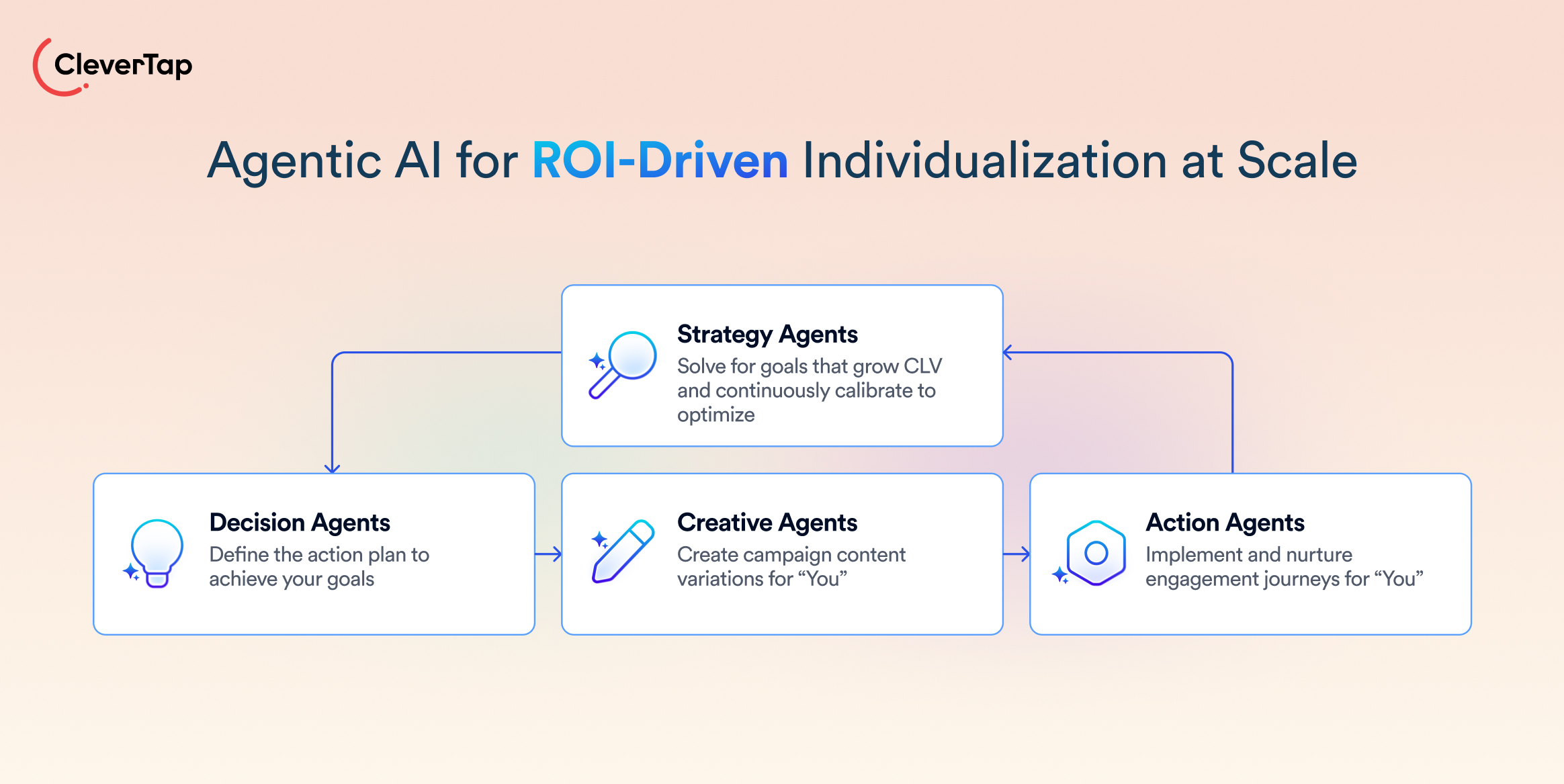
For example, decisioning agents can predict churn or conversion likelihood, channel optimisation agents can determine the best communication channel for each user, and journey orchestration agents can automatically build and optimise lifecycle flows based on business goals.
This agent-based approach extends AI beyond analysis into coordinated execution, reducing manual effort while improving precision and speed.
By combining predictive models, real-time behavioural data, next-best-action decisioning, and agent-driven orchestration, CleverTap enables teams to move from fragmented analytics to a connected, AI-driven marketing system that continuously improves retention, engagement, and revenue outcomes.
See how CleverTap helps you turn AI-driven marketing analytics into measurable growth.
Moving from Data to Predictive Growth
AI-driven marketing analytics is transforming how B2C brands engage customers by shifting marketing from reactive reporting to predictive, revenue-focused action. By applying machine learning across the customer lifecycle, teams can move beyond vanity metrics and focus on outcomes like higher lifetime value, lower churn, and improved campaign ROI.
The key to success is not just adopting AI, but applying it to high-impact, retention-focused use cases such as churn prediction or high-value segmentation, and measuring results carefully. Small, well-defined pilots help build confidence while demonstrating real business impact. When implemented thoughtfully, AI allows marketers to turn customer data into timely actions that drive stronger retention, engagement, and long-term revenue growth.
CleverTap helps operationalize this approach by connecting real-time data, predictive intelligence, and cross-channel execution into a single system, making it easier to turn insights into measurable outcomes. Schedule a demo with CleverTap to explore how this works.
Meet CleverTap at Global Fintech Fest 2026
Explore how AI-driven engagement powers seamless customer journeys across KYC, product adoption, & retention at GFF 2026. Meet us from September 9–11 at Jio World Convention Centre, Mumbai (Booth R24), or schedule a 1-on-1 session with our team.

Jacob Joseph 
Heads Data Science.Expert in AI, Data & Analytics and awarded 40 under 40 Data Scientists in India.
Free Customer Engagement Guides
Join our newsletter for actionable tips and proven strategies to grow your business and engage your customers.