

























Table of Contents
Categories
Most Popular


Consumers today expect brands to know them. In fact, 70% of people say they will shop only with brands that personally understand them. U.S. firms lost an estimated $756 billion last year due to poor personalization and churn. Let’s learn from 20 real-world examples of personalization in marketing and explore how leading brands use data-driven strategies to boost engagement, conversions, and long-term loyalty.
What Is Personalized Marketing?
Personalized marketing is the practice of using individual customer data and context to tailor each person’s experience with your brand. It’s the opposite of “one-size-fits-all” marketing.

By contrast, customization means the customer chooses how to personalize (for example, when a user builds their own product in an app). In short, personalization is brand-driven while customization is user-driven.
Basic personalization is expected: people like seeing familiar elements, like their name or recommended products. But deep personalization relies on richer data. For example, Netflix and Spotify learn your tastes over time to recommend new content, whereas simply writing “Hi [Name]” in an email is a more superficial touch. Today’s top marketers use data signals like past purchases, browsing behavior, location, and even AI predictions to make every message or page highly relevant.
Types of Personalization
Marketers use different personalization examples in marketing. Here are four common types:
- Demographic Personalization: Tailor offers based on who the customer is (age, gender, income, etc.). For example, showing baby formula promotions to new parents or senior-friendly products to older customers.
- Behavioral Personalization: Use past behavior (browsing history, purchases, app usage) to drive content. For example, recommending similar products to something a user just viewed.
- Contextual Personalization: Adjust content based on context, like location, weather, or device. For instance, a coffee shop app might push a morning coffee deal if it knows you’re nearby at 8 AM.
- Predictive Personalization: Use AI to anticipate needs. Machine learning can predict which products a user will want next, or which customers are at risk of churning, and act on it before the customer even asks.
Each level of personalization builds on data. Basic name-based personalization is easy to implement but delivers limited impact. A more effective approach uses contextual signals such as location or user behavior. At the most advanced level, leading brands rely on AI-powered engines to deliver personalization at scale.
20 Examples of Personalization by Channel
Below are 20 real-world examples of personalization and tactics grouped by channel.
Examples of Personalization in Websites
1. Dynamic Homepage Based on User Intent
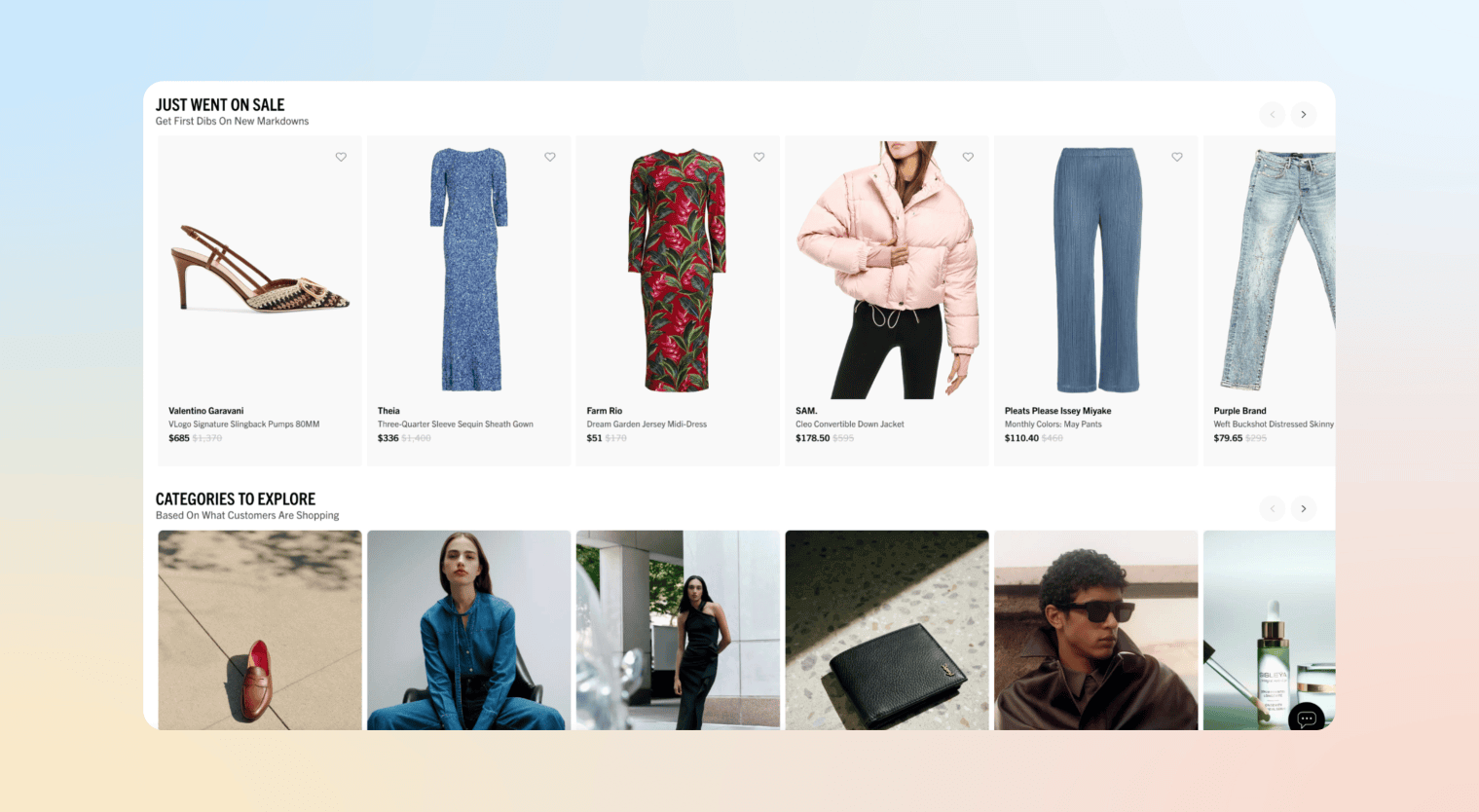
Leading retailers now build homepages from dynamic blocks tailored to each visitor. Such systems use fallback logic, like changing content based on real-time browsing behavior, if no profile exists.
For example, Saks Fifth Avenue rolled out an AI-powered homepage that is custom-built to each customer’s taste. Each content block (new arrivals, recommended categories, etc.) changes to match that shopper’s history and inferred preferences. This dynamic homepage approach reportedly lifted conversions by about 10% for Saks.
2. Personalized Product Recommendations
E-commerce sites commonly suggest items based on past behavior. One strategy is “Customers also buy…” cross-sells. In fact, 35% of Amazon’s revenue comes from its product recommendation engine. An electronics store might show camera lenses to a visitor who just added a camera to their cart. These suggestions use collaborative filtering or content-based filtering.

3. Geo-Based Offers And Information
Contextual location personalization are powerful examples of personalized marketing campaigns.
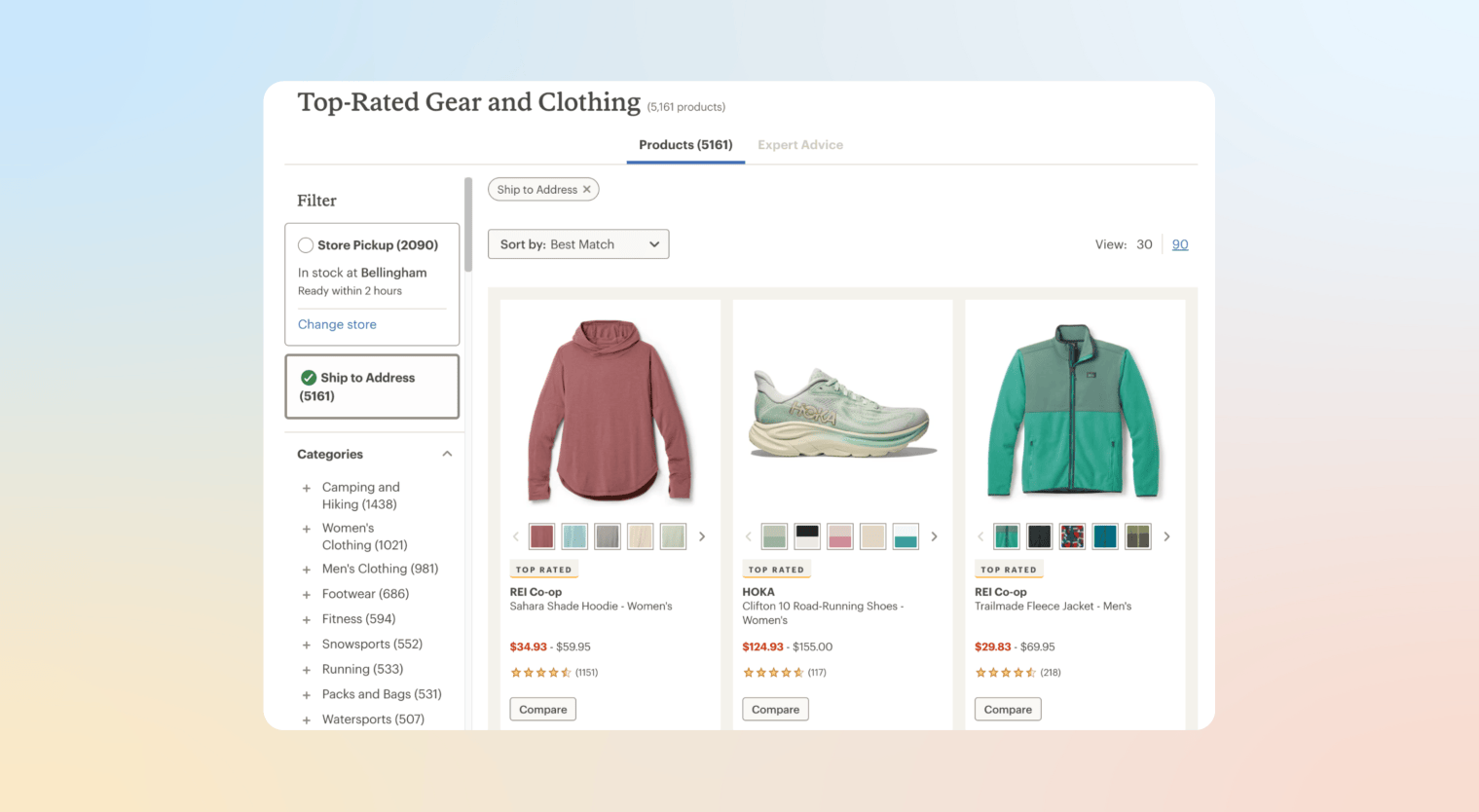
Outdoor retailer REI detects each shopper’s ZIP code and automatically shows the nearest store and relevant gear. REI’s website automatically identifies the nearest store, highlights pickup availability, updates delivery timelines by ZIP code, and personalizes product suggestions. Similarly, you can set up geofencing to send mobile notifications, like enabling discounts when a customer comes near a physical store.
Examples of Personalization in Email Marketing
4. Lifecycle-Triggered Email Sequences
Instead of blasting everyone the same newsletter, savvy marketers send emails at key moments in the customer journey.
For example, you might send: a welcome email at signup, a tutorial or feature email a few days later, a cart-abandonment reminder if they left items unpurchased, a “how was your experience?” survey after a month, etc. By aligning email content with the lifecycle stage, each message feels more relevant.

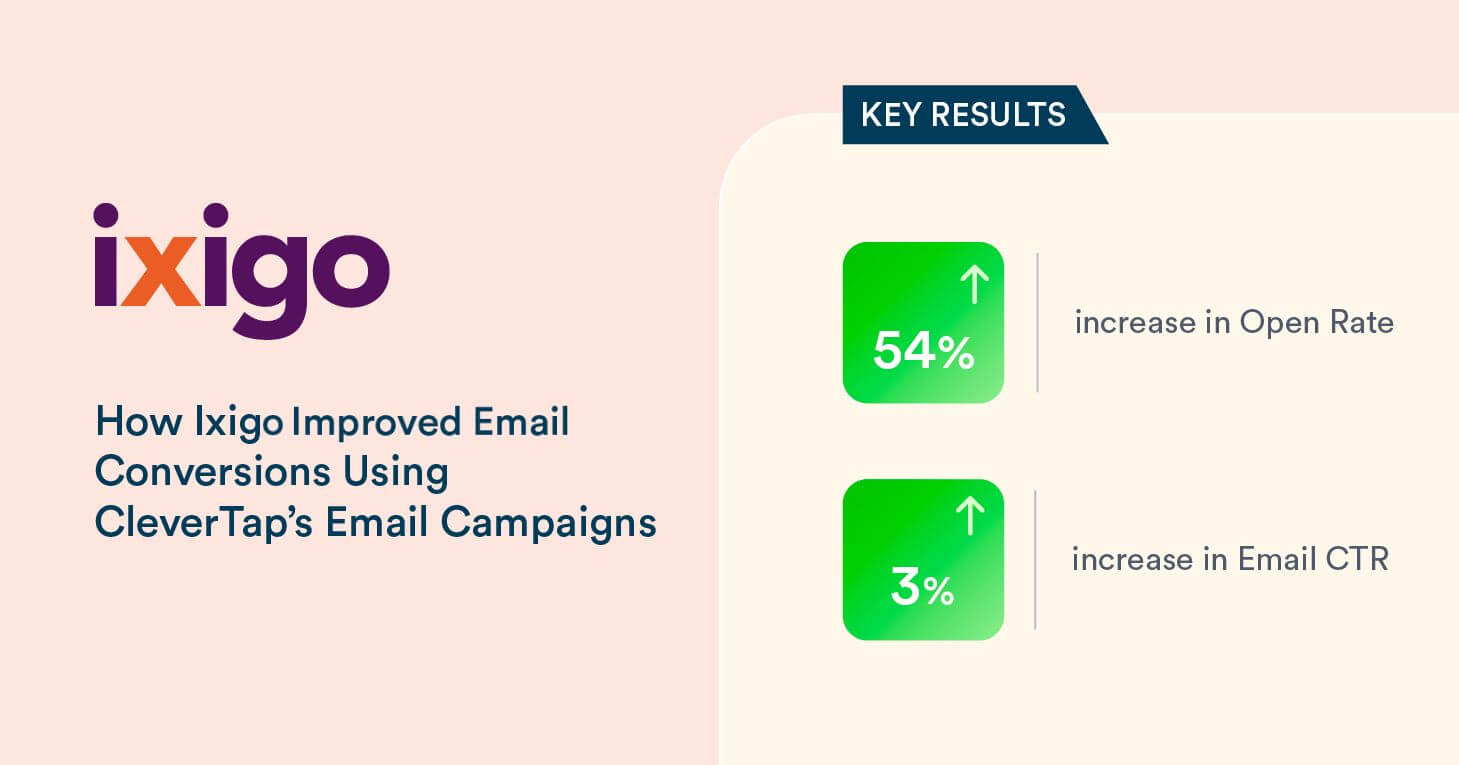
Ixigo partnered with CleverTap to improve user engagement and tackle challenges like post-install drop-offs, low repeat bookings, and limited personalization at scale. Using CleverTap’s automated lifecycle email campaigns, flows, funnels, and dynamic templates, Ixigo delivered timely, personalized messages across key moments in the user journey.
The result was a 54% increase in email open rates and a 3% lift in click-through rates, driving stronger engagement and revenue growth.
Read the full case study here.
5. Personalized Content Blocks Within Emails
Emails can contain dynamic content blocks that change per recipient. An email template might include a product carousel that fills with items matching the user’s interests or past purchases. Or a news app email might highlight articles in categories a reader frequently visits. By inserting personalized modules (images, copy, or product lists) relevant to each segment, open rates and clicks improve.
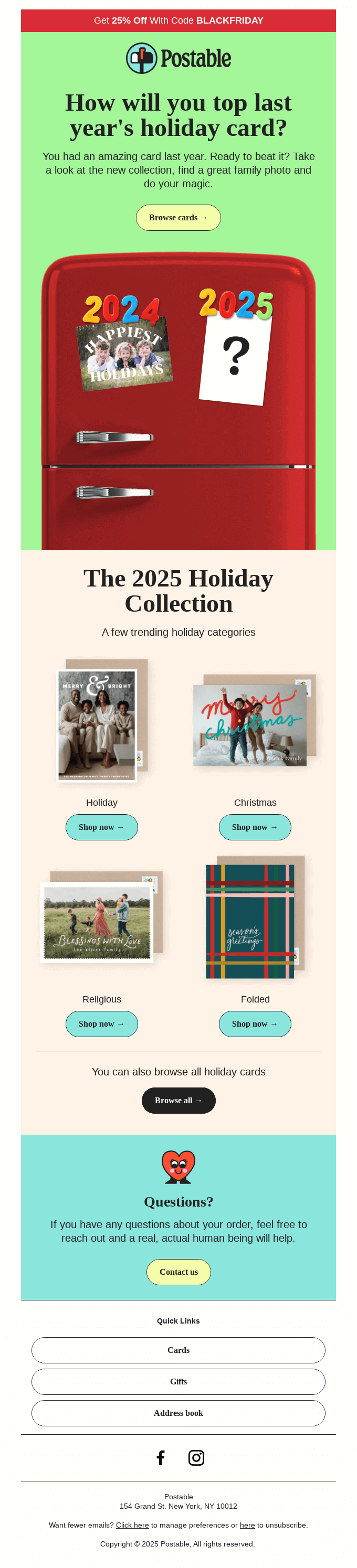
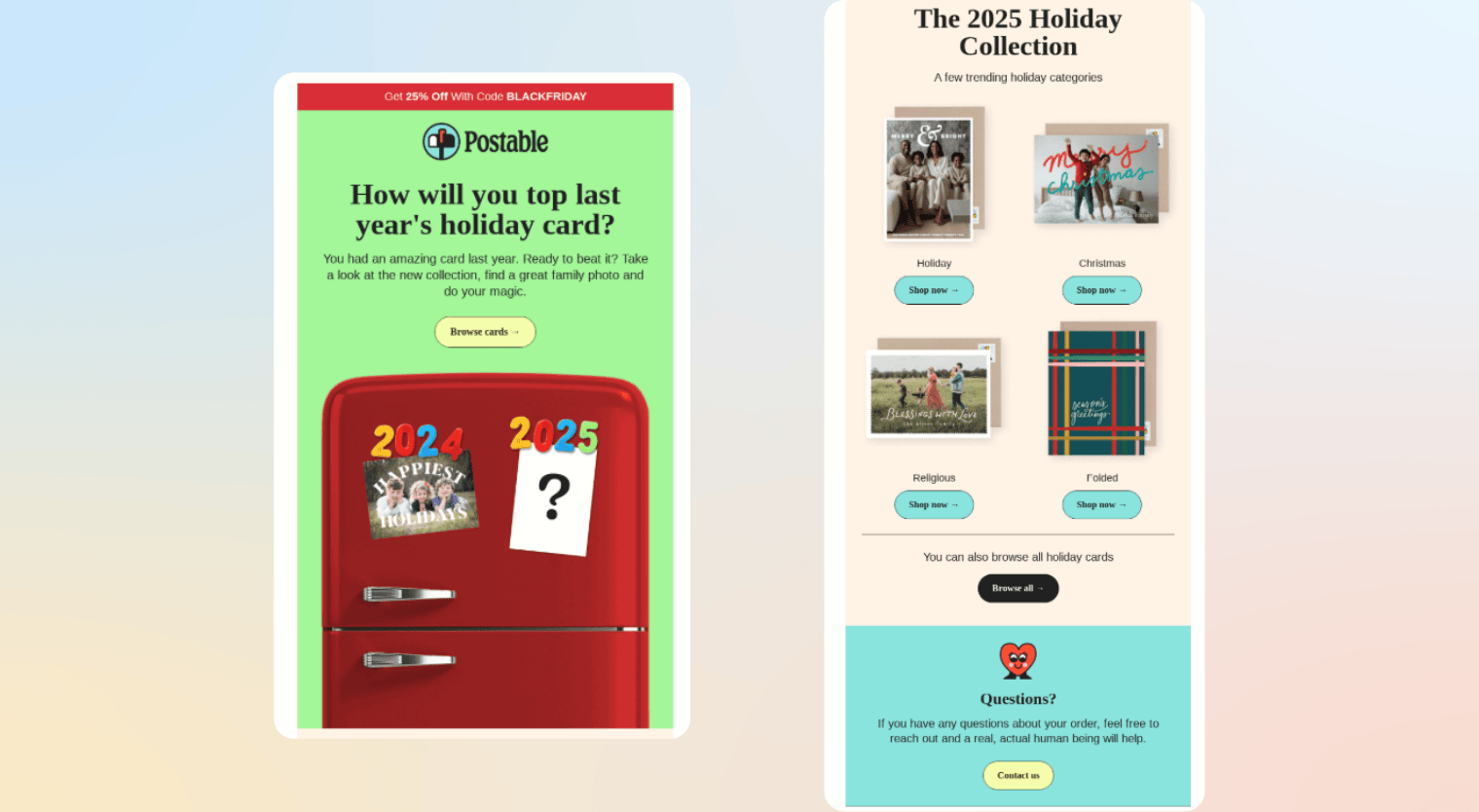
For example, Postable sent a personalized email referencing the recipient’s holiday card from the previous year, creating a sense of familiarity and timely relevance that nudged users to reorder with minimal friction.
6. Predictive Send-Time Optimization
Examples of personalization in digital marketing include optimizing send times. Modern platforms like CleverTap use AI to learn each user’s habits and pick the optimal send time. CleverTap’s Best Time to Send feature analyzes a user’s past activity (email opens, app sessions, etc.) to schedule each email at their peak engagement moment.
For example, ZEE5, a global streaming platform, adopted CleverTap’s “best time to send” optimization and achieved a 60% uplift in click-through rates across its south asian content campaigns. That kind of result underscores how powerful geo-aware email timing can be when done right.

Learn what the best time is to send marketing emails.
Examples of Personalization in Mobile Apps
7. Behavior-Triggered In-App Messages
In a mobile app, personalized messages or prompts can be triggered by user actions. For example, if a user lingers on a feature page or repeatedly toggles a setting, the app might show a helpful tutorial tip or offer live chat support. A finance app might detect a user entering transaction details and offer a tip if they seem to pause, like “Did you know we have a budgeting tool?”
These behavior-triggered messages feel timely and useful because they respond to the user’s context. Here, certain events or thresholds, such as page visited, time spent, and feature used, trigger a personalized push or pop-up in the app.
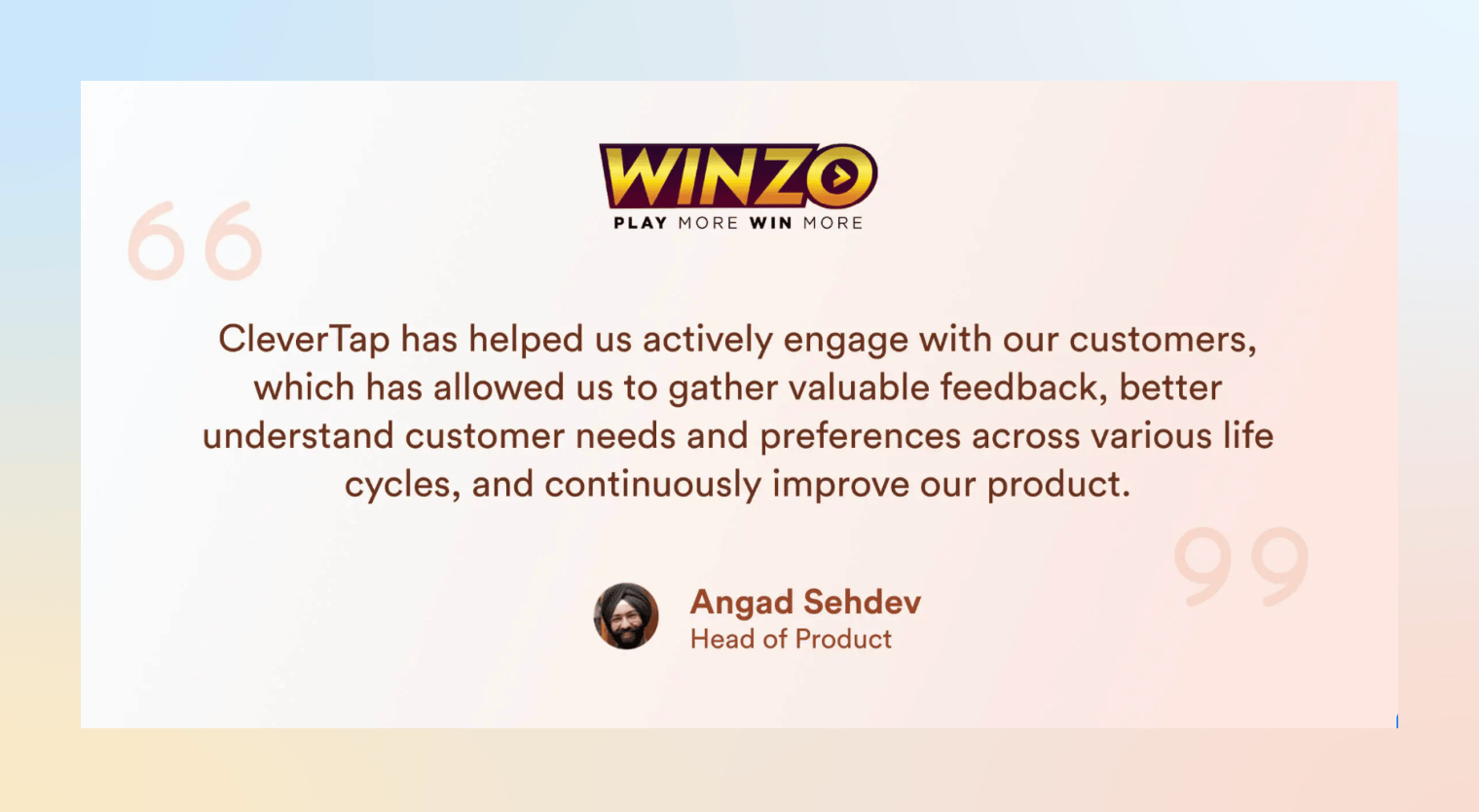
Using CleverTap, WinZO personalized in-app messaging based on real-time user behavior. When activity peaked around 9 PM IST, targeted messages promoted a trending game, boosting engagement when users were most active. This strategic implementation yielded a 40% increase in retention rate for WinZO.
Read the full case study here.
8. Personalized Onboarding Flows
Apps often personalize the first-time experience based on user preferences. For instance, Duolingo’s onboarding quiz asks about your language goals and background, then serves up a customized lesson path. Even fields like location or industry can tailor an onboarding flow.
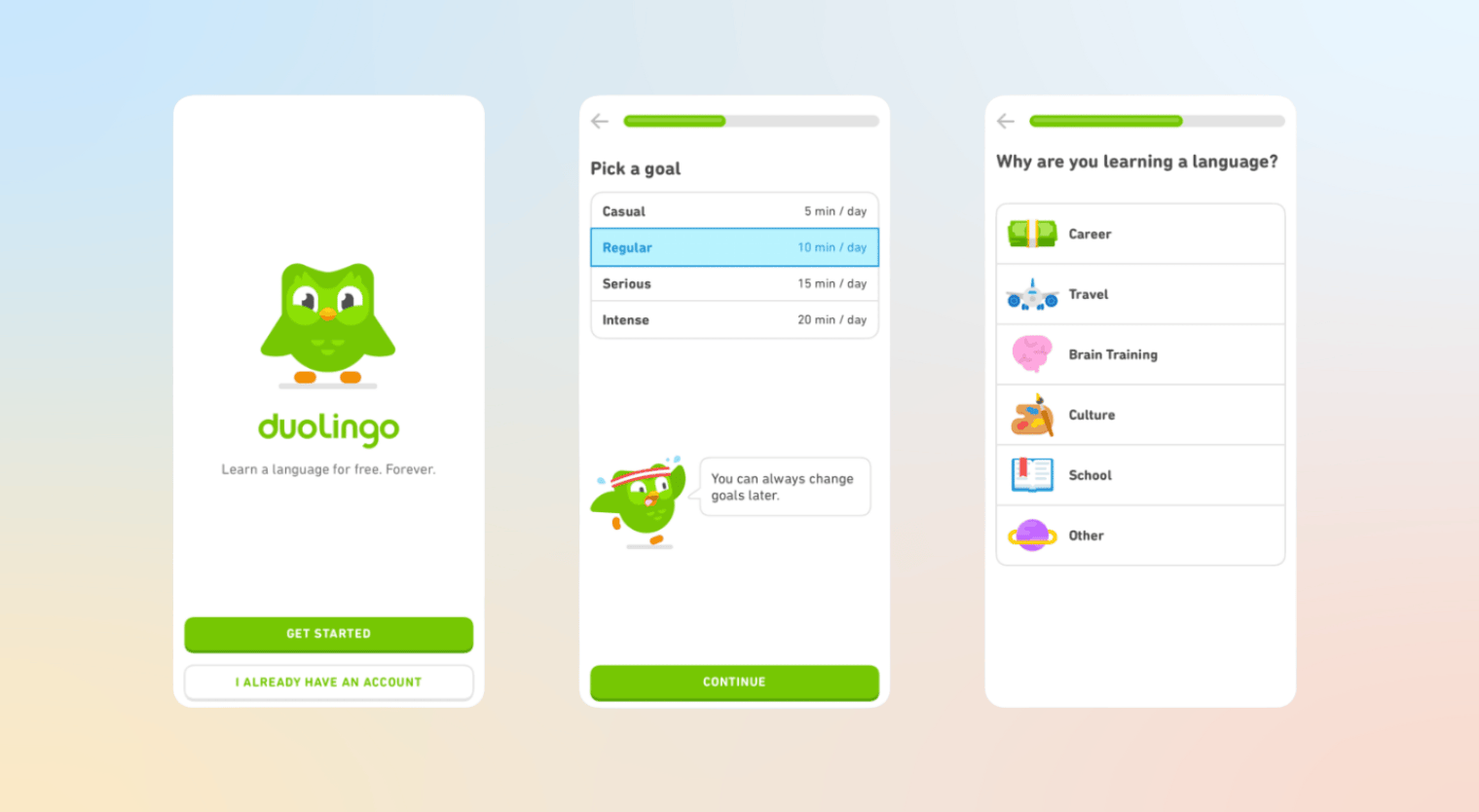
The key is that the questions or steps shown during signup adapt to the user’s selections. For example, an investing app might ask about your risk tolerance and then show different dashboard stats accordingly. This type of mobile app personalization makes users feel the app is built for them from the start, improving engagement.
Examples of Personalization Using Push Notifications & WhatsApp Channels
9. Event-Based Push Notifications
Push messages on mobile/web can be sent when a user triggers a certain event. For example, e-commerce personalization tools help apps send push reminders for abandoned carts or back-in-stock alerts for viewed items. The signal here is a user action or lack of it, which triggers a targeted push. Triggered push notifications often see much higher open rates than generic blasts.
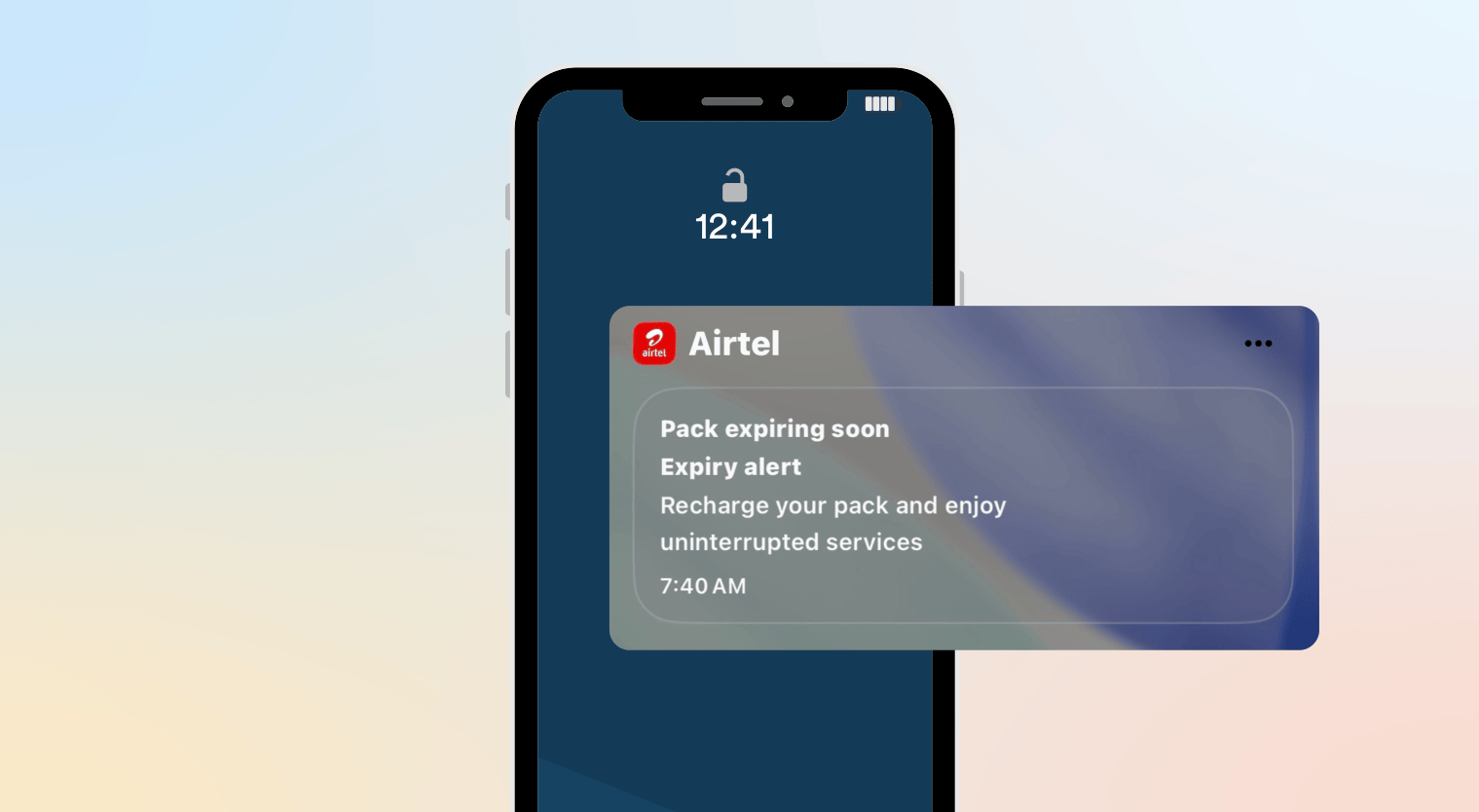
For example, Airtel, a telecom provider, sends event-based push alerts to prompt users to recharge their accounts before pack expiry.
10. Personalized WhatsApp Campaigns
With business messaging apps, marketers can send highly personalized alerts and reminders. Airlines often use WhatsApp to send booking confirmations or bill pay reminders that include the user’s name and details like flight number, due amount, etc. Many travel and hospitality brands now send personalized trip updates on WhatsApp, while retailers might deliver one-to-one sale offers. The personalization comes from the user’s transaction or profile data injected into the message.
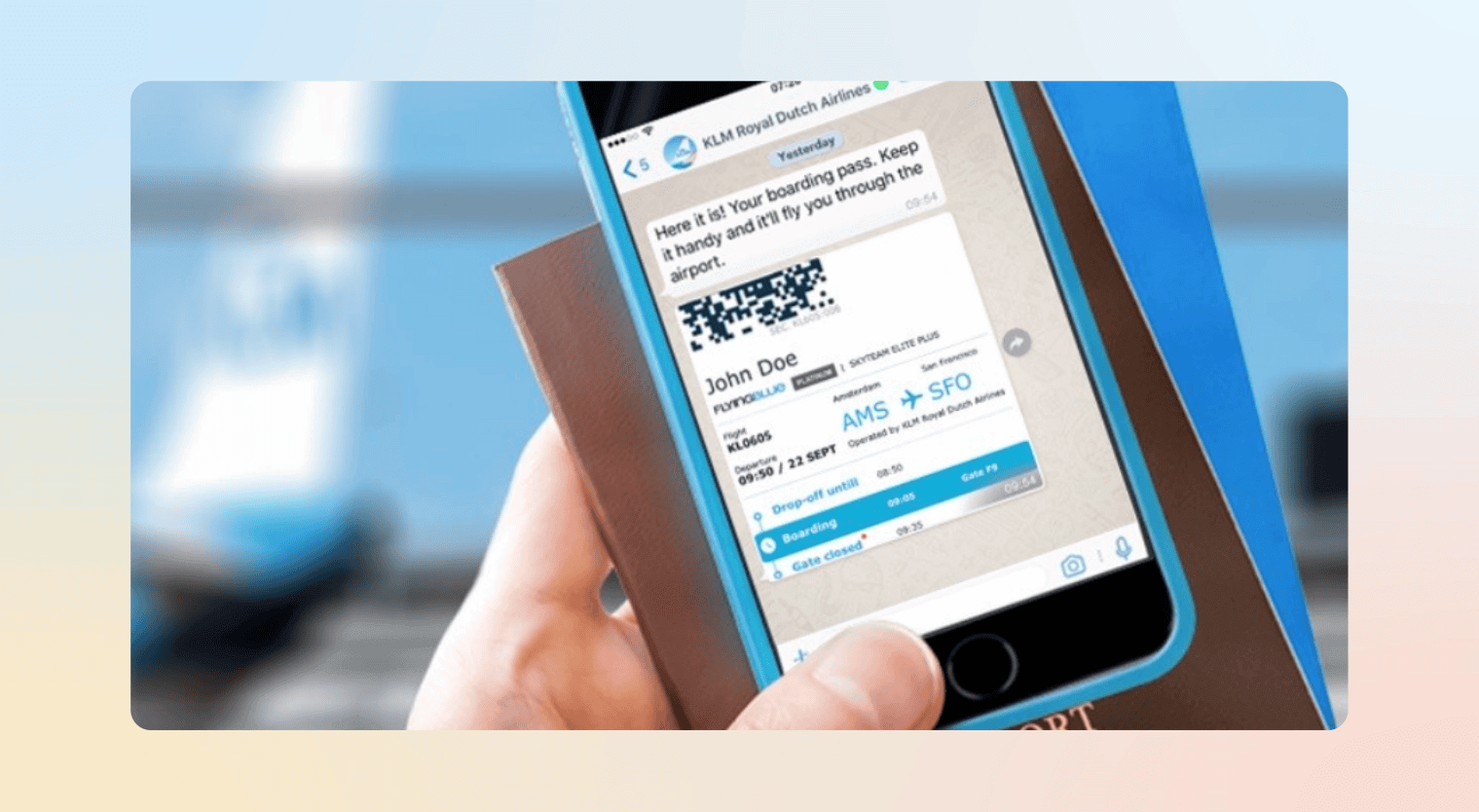
KLM was one of the first airlines to use WhatsApp for customer communication. Passengers receive booking confirmations and boarding passes directly on WhatsApp and can chat with KLM’s support team for real-time assistance. This simplifies the travel experience while creating a more direct, personalized connection with customers.
Examples of Personalization in Advertising and Retargeting
11. Personalized Retargeting Ads
Ads can be highly personalized using audiences and dynamic creatives. A common tactic is cart or product retargeting: if you visited a product page or added something to your cart, you start seeing ads for that exact product on Facebook, Google, or other networks.
For example, travel sites retarget flight searchers with dynamic ads showing the same route they searched for. The ad content (image, text, offers) is automatically tailored to the user’s prior behavior. This dramatically increases relevance. In the example below, IKEA India uses Instagram as a channel to send retargeting ads to users who browsed a certain product.

12. Dynamic Creative Optimization (DCO)
Display and social ads can change elements in real time based on user data. Programmatic ad systems can pull in a user’s name, current weather, or favorite categories to tailor the ad shown. A sports retailer’s ad could swap in different athletes or products depending on which team you support. Or a home retailer’s ad might use a snow overlay for cold-region users.
Netflix uses dynamic creatives for YouTube ads, showing clips from genres you like. DCO enables personalized advertising at scale,and each user sees an ad variant tuned to their profile and context.

Examples of Personalization in Content and Video
13. Personalized Content Recommendations
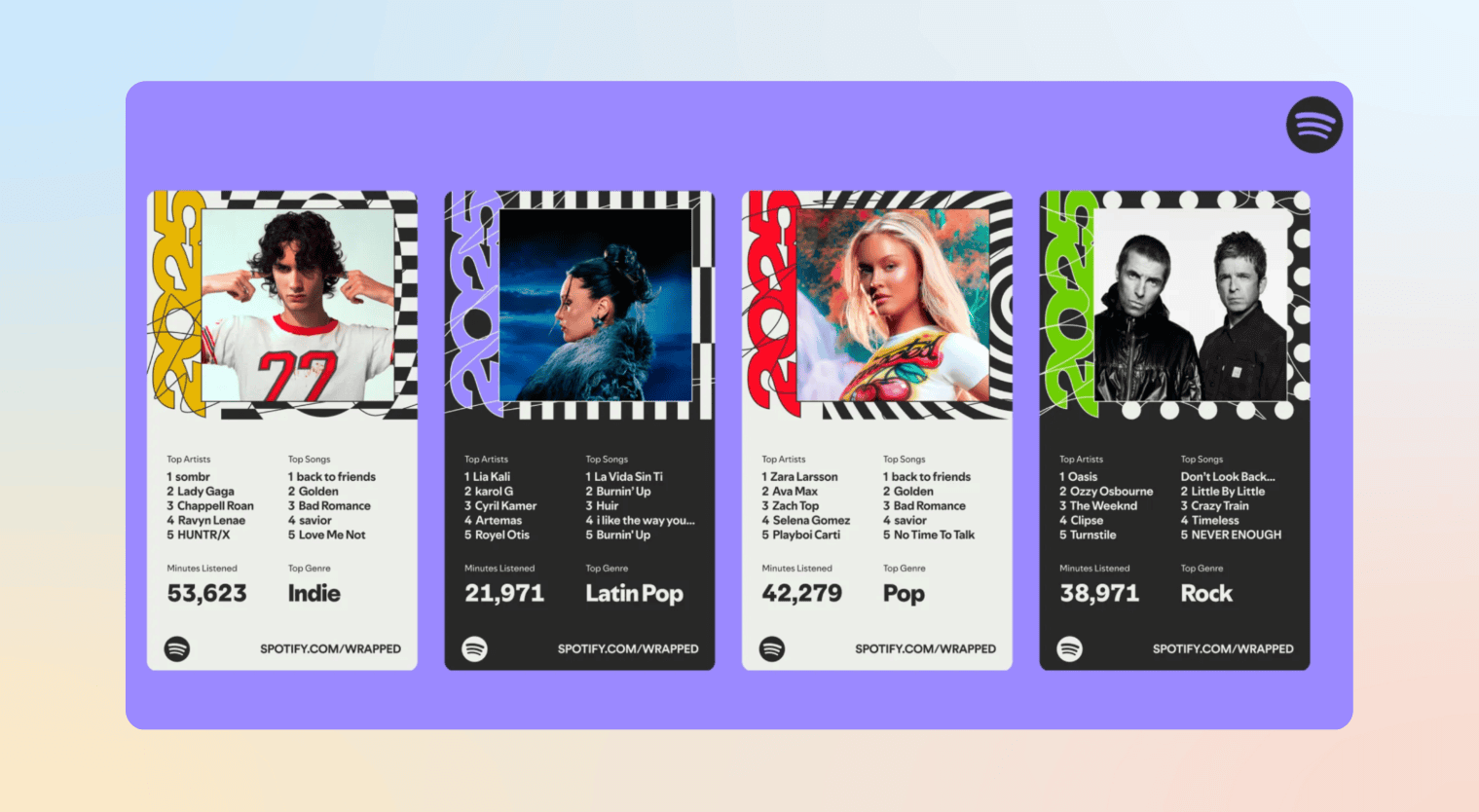
Netflix’s famous example: on the homepage, every user sees a different lineup of movie/show thumbnails based on viewing history. Spotify Wrapped goes further. Each year, Spotify generates a fully personalized shareable video of your top songs and listening stats. Similarly, news or blog sites will recommend related articles tailored to your reading history. By continuously analyzing this behavioral data, these platforms surface new content that users wouldn’t have thought of on their own.
14. Interactive Personalized Videos
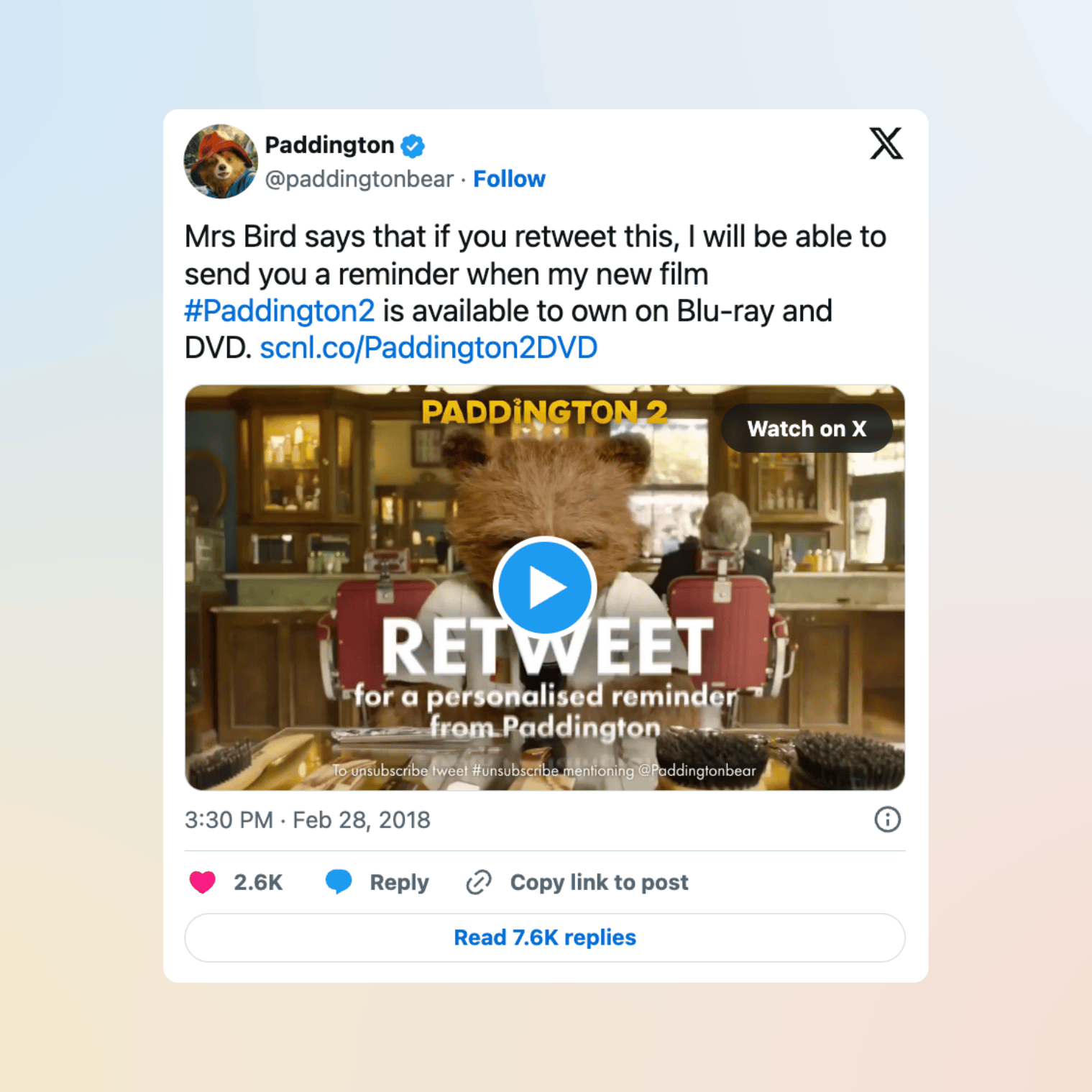
Brands are creating full videos customized to the individual. For example, the Nike+ “Outdo You” campaign sent each registered Nike Run Club user a video montage of their year’s run stats (distance, locations run, pace, etc.), with the user as the hero. Paddington 2’s Twitter promotion even posted individual videos with fans’ names written in marmalade. These personalized videos take user data (name, stats, photos, etc.) and programmatically assemble a bespoke clip.
Examples of Personalization at Scale
15. Predictive Product Recommendations
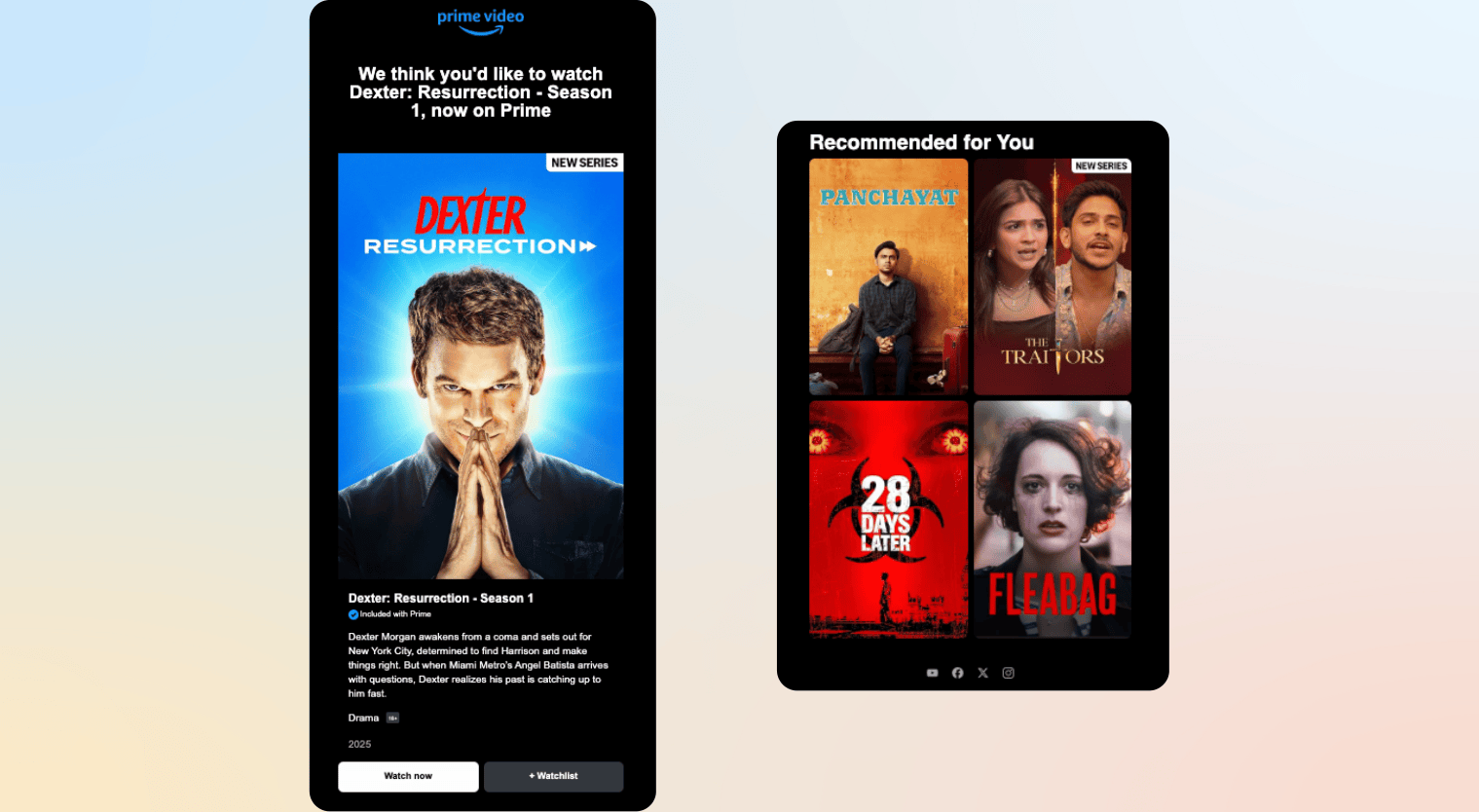
At scale, AI engines drive personalization. Recommendation algorithms use machine learning on billions of interactions. As noted, Amazon’s system analyzes purchase history, browsing, search queries, and more to predict what you want next. This means the system might suggest a replacement filter for your vacuum just before you typically reorder, or propose a movie night bundle of films Netflix thinks you’ll enjoy.
For example, Amazon Prime Video sends curated lists of series recommendations based on an user’s watch history.
16. Churn-Risk Personalization
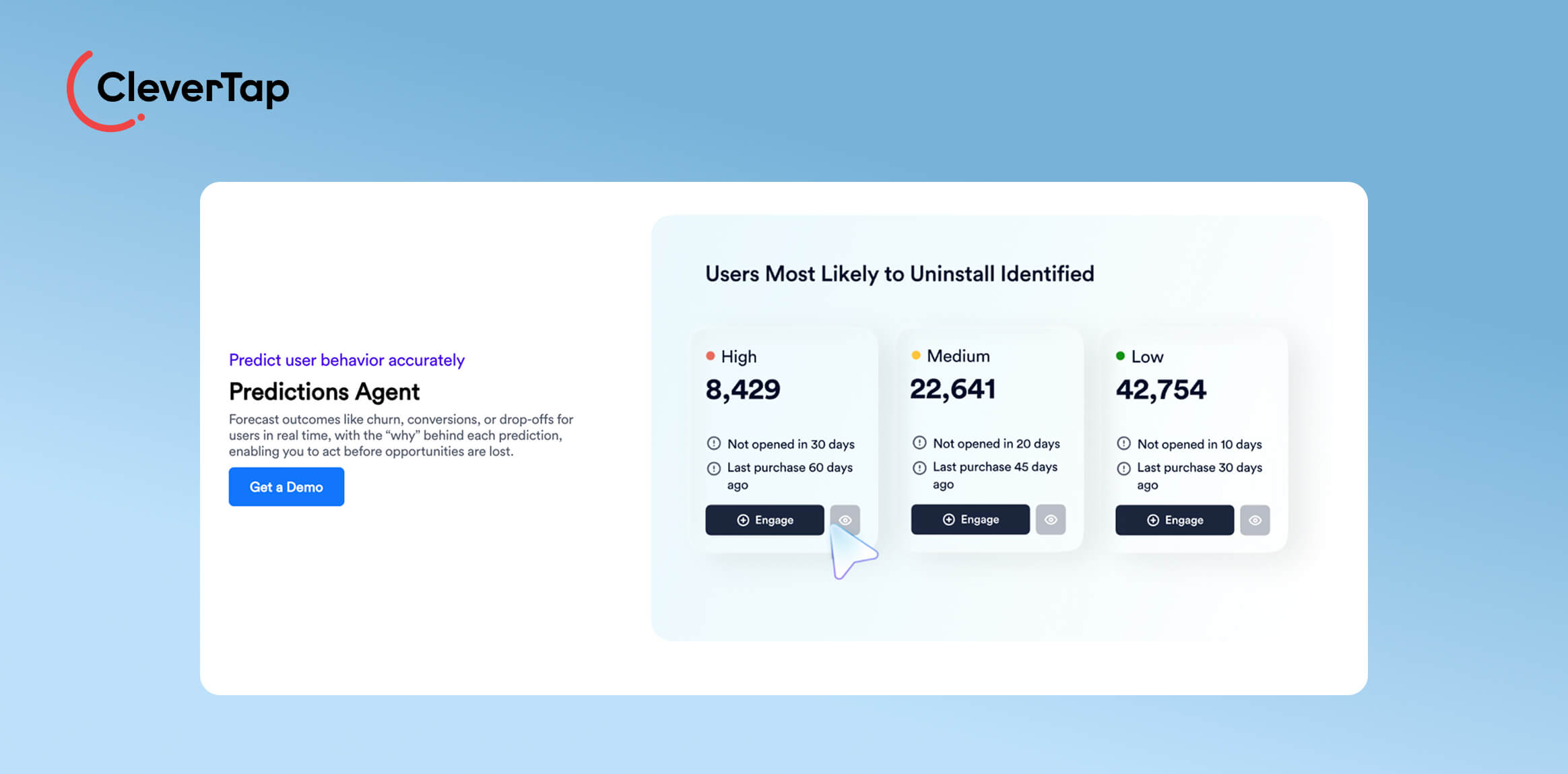
Platforms like CleverTap now identify users at risk of leaving and intervene. Using predictive analytics, they score each user’s likelihood to churn. For example, an e-commerce app might detect a drop in purchase frequency and trigger a win-back email or special offer. This kind of churn-prevention marketing is a lifecycle personalization tactic. The data signal could be inactivity duration, a drop in engagement metrics, or negative feedback. The campaign might include personalized incentives (loyalty points, VIP perks) specifically tailored to what each at-risk user cares about.
CleverAI’s Predictions agent can forecast outcomes like churn, conversions, or drop-offs for users in real time, with the “why” behind each prediction, and suggest personalized marketing tactics to help you act before the opportunity is lost.
Examples of Personalization in Omnichannel Marketing
17. Cross-Channel Journey Orchestration
The most sophisticated personalization weaves together multiple channels. For instance, a customer might see product recommendations on your website, receive an email reminder about the same product, get a push notification when they open your app, and finally see a retargeting ad, all consistent with their interests.
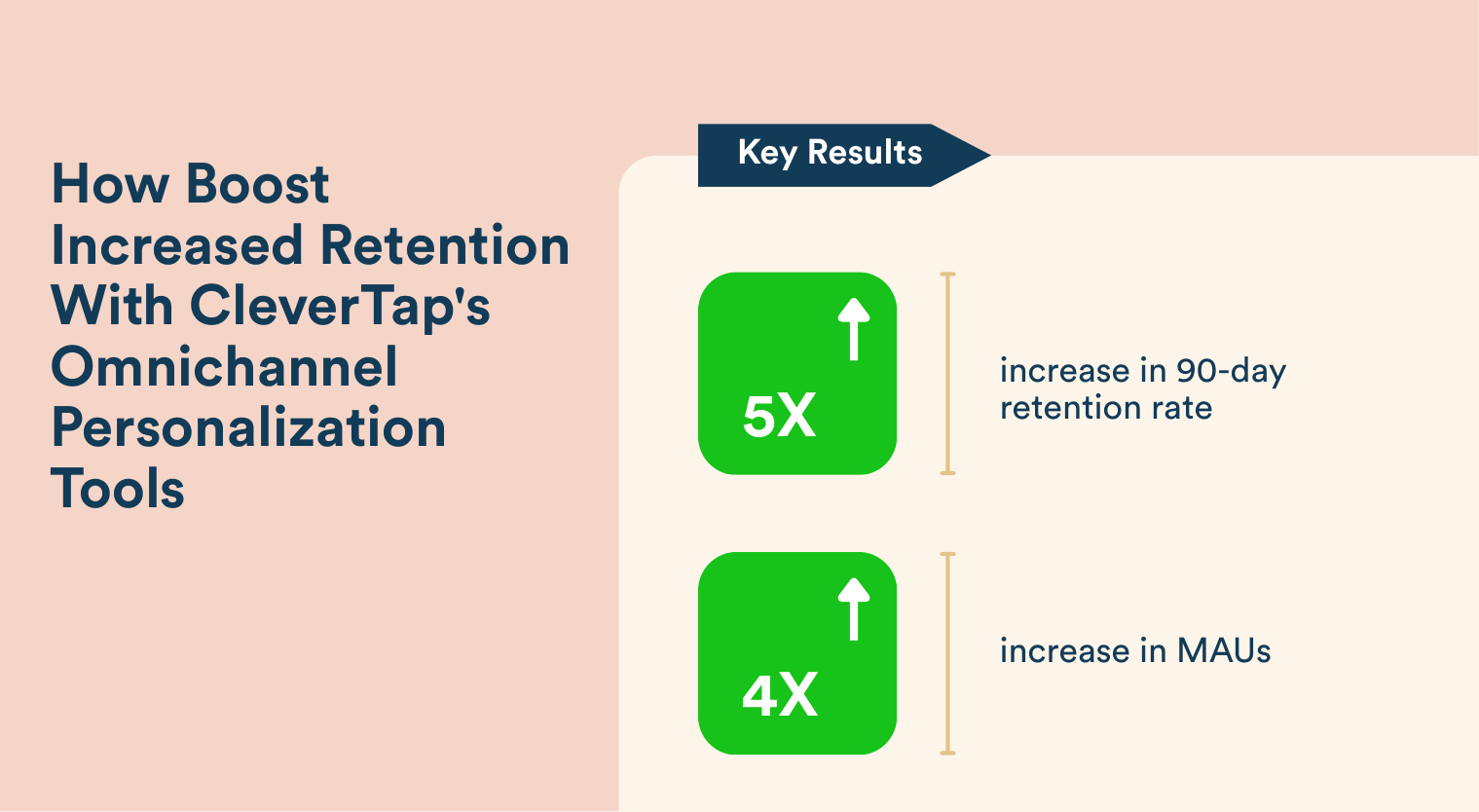
For example, by connecting user behavior across channels using CleverTap, Boost delivered timely, consistent messages that adapted to each user’s latest action instead of operating in silos. This unified approach enabled highly personalized follow-ups across touchpoints, helping Boost increase retention by 5X while creating a seamless, one-to-one customer experience.
Read the full case study here.
CleverTap can trigger messages across any channel based on the user’s most recent action. For example, if a user abandons a cart on desktop, the next step might be to send an SMS reminder, and if there’s no purchase, a Facebook ad. The idea is the channels “talk” and adapt: the user experiences a seamless, 1:1 conversation rather than siloed touchpoints.
Examples of Personalization for Loyalty & Retention
18. Personalized Loyalty Rewards
Reward programs can be hyper-personal. Beyond generic points, many brands tailor rewards to individual preferences. For example, Sephora’s Beauty Insider program not only offers tiers, but sends each member bonus points or product samples in categories they frequently buy. Brands use purchase history and loyalty status to trigger custom perks like a personalized coupon on birthdays.
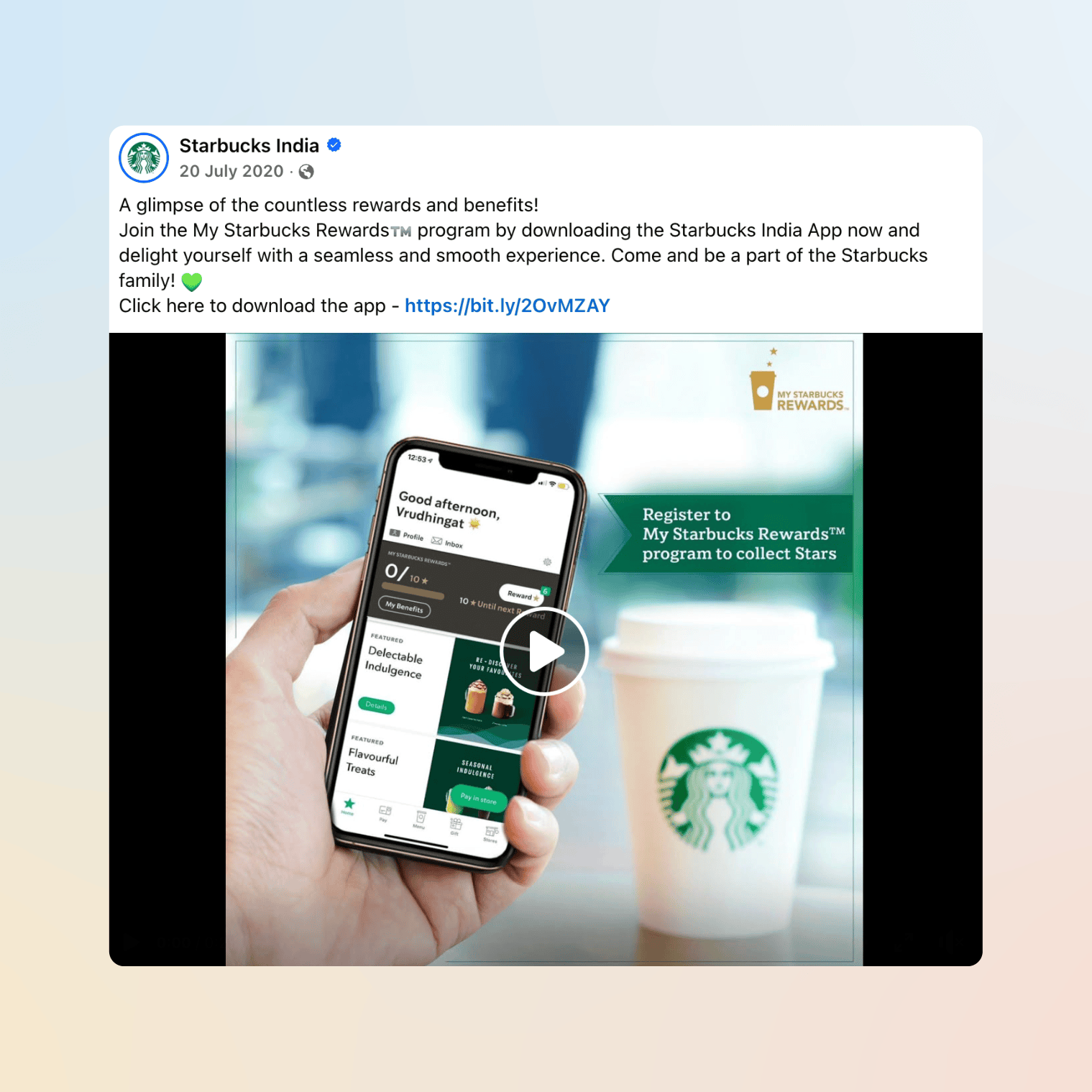
Starbucks leverages purchase history and app engagement to deliver personalized loyalty rewards. Members earn Stars with every purchase and then receive customized offers, such as bonus Stars for their favorite drinks, tailored challenges to encourage repeat visits, and free birthday items, based on their order patterns and preferences. This makes the loyalty experience feel made for each individual, boosting engagement and repeat visits.
19. VIP and Exclusives
For high-value or long-term customers, brands create personalized VIP experiences. For example, the British Airways Executive Club offers elite frequent flyers priority boarding, lounge access, and tiered benefits based on loyalty.
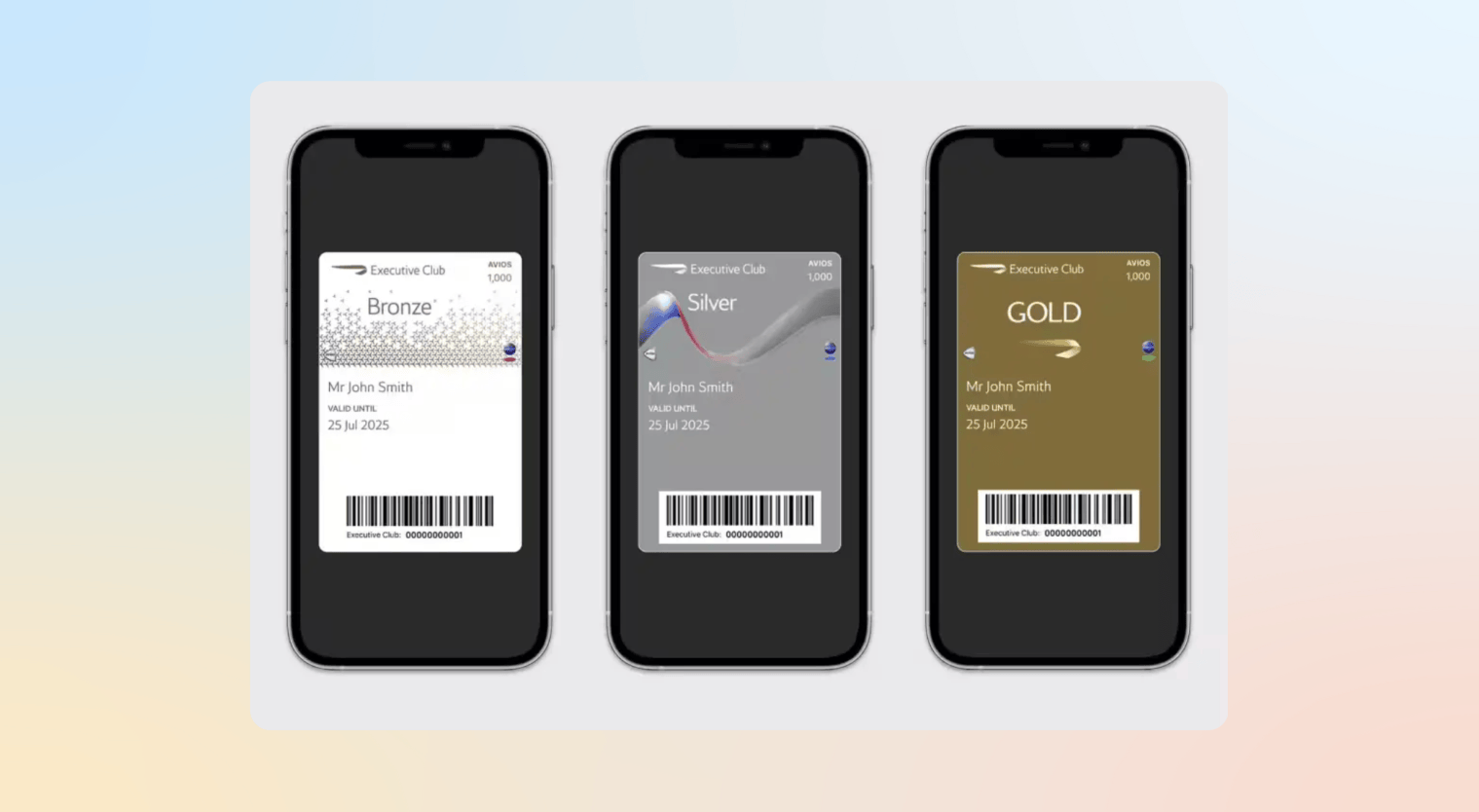
The key is exclusivity: the more a customer spends or engages, the more personalized and premium the offers. This drives retention: people who feel special are harder to lose.
Examples of Personalization for Retention
20. Behavior-Based Lifecycle Marketing
Overlap with some above, but the best personalized marketing campaigns use a user’s entire lifecycle stage and actions to personalize ongoing communications. For example, if analytics show a customer uses your product daily, push retention content like loyalty perk invites or advanced tips. If a customer is new, push educational or onboarding content. If a customer’s activity dwindles, send re-engagement offers.
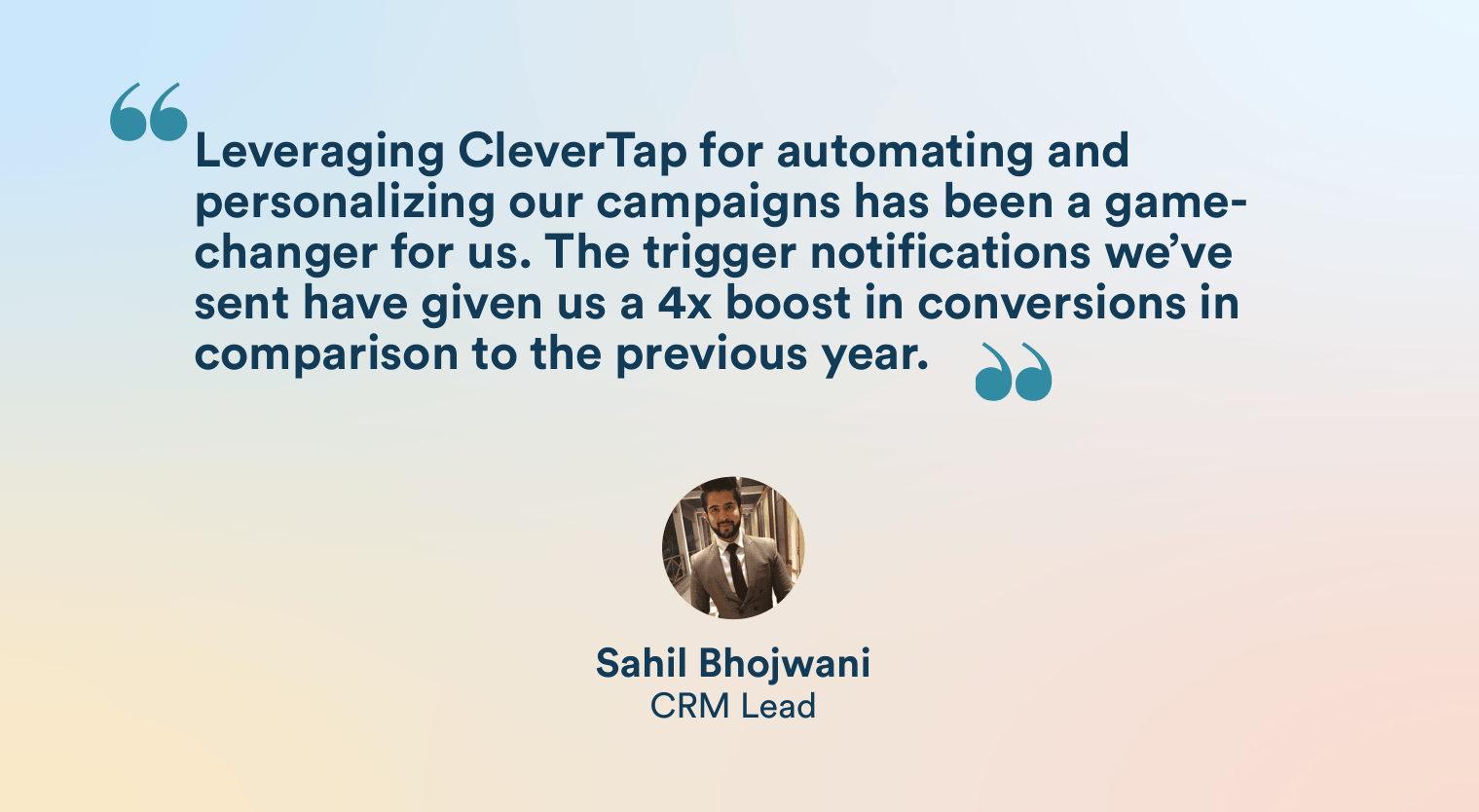
CleverTap enabled an UAE-based e-commerce brand to automatically send relevant messages across email, push, in-app, and ads. This end-to-end personalization based on real user actions boosted conversions by 400%, demonstrating the power of lifecycle-aware engagement.
Read the full case study here.
CleverTap allows building automated journeys: e.g., if a user completes a purchase, then 30 days later it sends them a satisfaction survey; if they don’t, it sends a discount. This end-to-end lifecycle approach ties together email, push, in-app, and ads: every touchpoint depends on the user’s stage.
How to Build Your Own Personalized Marketing Strategy
Launching meaningful personalization requires a plan. In short:
- Identify Signals: Decide which data you’ll use, like demographic info, purchase history, browsing behavior, device, time, location, etc. Ensure systems can capture and unify this data, ideally in a CRM.
- Map Customer Journeys: Outline the typical paths users take (e.g., visitor → subscriber → first purchase → repeat buyer). For each stage and key behavior, plan what personalized action makes sense, be it an email, ad, in-app message, etc.
- Choose Channels: Use multiple channels where your customers are. Email, app push, SMS/WhatsApp, on-site content, social ads. Ensure the messaging is consistent. Assign different tactics per channel.
- Test and Optimize: Personalization is not set-and-forget. A/B test your segments and messages. Use experiments to verify that each personalized element truly improves results. Monitor KPIs and refine your personalization logic over time.
How CleverTap Helps You Build on These Examples of Personalization
Personalized marketing becomes truly powerful only when it can be executed consistently across millions of users, channels, and touchpoints. This is where CleverTap stands out, enabling brands to move from basic segmentation to real-time, AI-driven personalization at scale.
Unified Customer Data In One Place: CleverTap combines CDP capabilities with marketing automation to create rich user profiles using behavioral, transactional, and demographic data in real time.
Real-Time Segmentation: Marketers can build dynamic audiences based on live user behavior such as purchase frequency, app activity, churn risk, and product affinity, and these segments update automatically as user actions change, keeping personalization relevant.
Cross-Channel Journey Orchestration: CleverTap enables marketers to design end-to-end campaigns across email, push, in-app, SMS, and WhatsApp, where a single user action like cart abandonment or onboarding completion triggers coordinated messages across channels for a seamless experience.
AI-Powered Personalization With CleverAI: Predictive intelligence identifies users who are most likely to convert, churn, or re-engage, and supports next-best-action recommendations and predictive send-time optimization to maximize engagement.
Personalization at Scale: CleverTap is designed to run campaigns for thousands to millions of users without performance drop, ensuring enterprise-grade reliability for real-time messaging and experimentation.
Optimization and ROI: CleverTap enables A/B testing, campaign iteration, and measurement of impact, helping marketers prove ROI and scale personalization as a long-term growth strategy.
Learn how CleverTap powers personalized marketing campaigns.
Frequently Asked Questions (FAQs) about Examples of Personalization
Q1. What are some real-world examples of personalization in marketing?
Real-world examples of personalization in marketing include dynamic website homepages, personalized product recommendations, lifecycle-triggered emails, behavior-based push notifications, predictive content suggestions, and personalized loyalty rewards. Brands like Amazon, Netflix, Starbucks, and Sephora use personalization to increase conversions, engagement, and retention.
Q2. What is personalized marketing?
Personalized marketing is the practice of using customer data, such as behavior, preferences, location, and lifecycle stage to deliver tailored messages and experiences to individual users. Instead of one-size-fits-all campaigns, personalized marketing ensures each interaction feels relevant and timely across channels.
Q3. How is personalization different from customization?
Personalization is brand-driven and happens automatically using customer data and AI to tailor experiences. Customization is user-driven, where customers manually choose preferences or settings. In short, personalization adapts experiences for users, while customization requires users to make the choices themselves.
Q4. Why is personalization important for marketing campaigns?
Personalization is important because customers expect relevant, contextual experiences. Personalized marketing campaigns consistently drive higher open rates, click-through rates, conversions, and retention compared to generic messaging. Brands that fail to personalize risk higher churn and lower customer lifetime value.
Q5. What are the main types of personalization in marketing?
The main types of personalization in marketing are demographic personalization, behavioral personalization, contextual personalization, and predictive personalization. Together, these approaches allow brands to tailor content, offers, and messaging based on who the user is, what they do, and what they are likely to do next.
Personalization Is Now Inevitable
Winning brands don’t rely on surface-level tricks like name inserts; they design experiences that align with real user behavior at every touchpoint. The strongest personalization responds to intent in the moment: product-specific nudges, friction-aware re-engagement, and loyalty rewards aligned with true preferences. This only works at scale when data, automation, and experimentation are tightly connected, creating a feedback loop where better insights drive better outcomes.
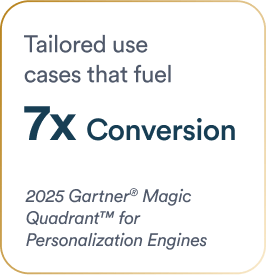
Discover why CleverTap is a Leader in the 2026 Gartner® Magic Quadrant™ for Personalization Engines. Get the full report.

Kiran Pius 
Leads Product Launches, Adoption, & Evangelism.Expert in cross-channel marketing strategies & platforms.
Free Customer Engagement Guides
Join our newsletter for actionable tips and proven strategies to grow your business and engage your customers.