
















Table of Contents
Categories
Most Popular


April Fool’s Day has become a marketing event as much as a cultural one. Every year, brands use it to show creativity, humor, and personality through light-hearted content. PRWeek reports that 90% of consumers remember a funny ad, and 72% are more likely to view the brand positively afterward. That’s why many marketers see April 1 as an opportunity to drive awareness in a crowded market.
Still, the challenge is balance. The best campaigns entertain and uphold the brand’s values. They use humor without misleading or frustrating audiences. When done well, these holiday marketing campaigns create shareable moments and long-term trust. When done poorly, they damage credibility. This article walks you through the 10 best marketing ideas that you can adopt for April Fool’s Day next year.
Why April Fool’s Day Marketing Works
April Fool’s Day marketing matters because it gives brands visibility, engagement, and memorability in one shot. It’s a day when humor feels natural, and audiences are open to play. That attention translates into stronger brand recall and positive sentiment.
- Humor Boosts Attention, Shareability, and Recall: Humor triggers emotion and surprise, which help the brain pay attention and remember. A 2024 study using eye-tracking and EEG found that humorous ads drive higher attention and recall than neutral ones, especially when you pair them with brand logos.
- People Expect Playful Content: April Fool’s Day creates a built-in permission for brands to share jokes, fake launches, and lighthearted twists. 68% of consumers appreciate when brands show humor and personality on social media. This mindset makes April 1 the perfect time to test creative ideas or tones that might feel risky otherwise.
- Authenticity Makes Humor Sustainable: Audiences can tell when a joke doesn’t land. That’s why campaigns using humor purely for attention often backfire. Humor works best when it feels true to the brand. A study shows that humorous content aligned with a brand’s core values increases authenticity and trust scores by over 30%.
Now, let’s explore 10 ideas for April Fool’s Day marketing.
10 Best April Fool’s Day Marketing Ideas and Campaigns
These 10 April Fool’s Day marketing ideas blend clever humor, emotional storytelling, and omnichannel creativity. Each example goes beyond the prank, showing how timing, tone, and execution come together. You’ll also find practical tips to adapt these campaigns to your brand’s strategy and audience.
1. Launch Fake Products That Feel Real
Fake product launches work because they look real. People expect new product drops all the time. So, when a brand announces something believable but absurd, it instantly grabs attention. The best ones stay close to what the brand is known for. That’s why campaigns like Dyson’s Airbrow worked so well.
Dyson launched the Airbrow, a spoof eyebrow styler powered by its signature airflow tech. The surprise comes from the device’s obvious impracticality paired with Dyson’s serious tone in the video. The stunt earned them close to 250K likes on Instagram and massive attention online.
Where and how to implement it: Run the prank like a real product launch. Start with a short teaser video on Instagram and TikTok showing the device in action. Follow it up with an email to your subscriber list linking to a simple landing page or product mock-up. Add behind-the-scenes content on your website or app to make it feel legit. Finally, use push notifications, through platforms like CleverTap, to drive users to the reveal and maximize traffic.
Key takeaway: Doubt-inspiring humor that aligns with brand DNA boosts shareability and recall while reinforcing brand identity.
2. Turn Cultural Memes into Products
Cultural memes carry built-in recognition. Because the idea already exists in people’s social feeds, your product twist feels clever. Research finds that meme-based marketing boosts customer engagement and positively impacts purchase intentions.
Yahoo did exactly this with their ‘Touch-Grass Keyboard,’ also called the ‘Agricultural Interface,’ during April Fool’s Day in 2025. It’s a USB keyboard topped with real grass tufts and branded as the remedy for people told to touch grass (log off and get outside) online.
AJ Eckstein, Founder of Creator Match, explained, ‘They actually sold it on TikTok Shop. It’s easy to write off April Fool’s campaigns as gimmicks, but this one did something most brands struggle with: tying a cultural meme to a physical product, driving real engagement, and leaning into chaos in a way that felt organic.’
Where and how to implement it: Start with a short teaser video on TikTok and Instagram, ideally featuring influencers unboxing or reviewing it to make it believable. Create a mock product page on your site or store, complete with witty specs and an ‘out of stock’ tag for realism. Follow up with an email campaign to your existing customers. Finally, follow push notification best practices, directing users to shop the fake product and join the fun.
Key takeaway: Blend cultural insight, product parody, and multi-channel execution to spark virality, strengthen brand affinity, and boost shareability.
3. Offer A Discount That’s Too Good to Be True
This idea flips the usual April Fool’s prank on its head by offering something unbelievably generous and absolutely real. When consumers expect trickery, a genuine offer cuts through the noise. It works because it rewards trust at a time when doubts are high and encourages sharing. After all, people ask, “Did you see this deal?”
Here’s how it played out in real life with a brand act you can study.
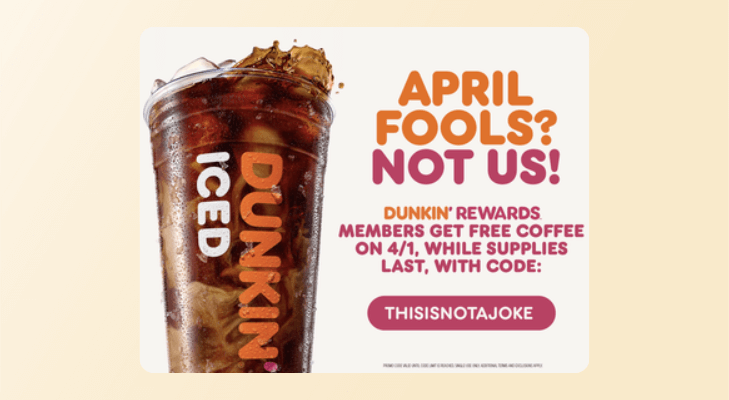
On April 1, 2025, Dunkin’ offered one million free hot or iced coffees of any size to its Rewards members via the promo code ‘ThisIsNotAJoke.’ The offer was a limited-time only and positioned as a sincere treat amid the day’s usual pranks.
Where and how to implement it: Tease the deal with a short video on social media. Then send an email to your subscriber list and direct them to a landing page with the offer. In your mobile app, use a customer engagement and segmentation tool like CleverTap to segment the audience and push notifications to active users. Use its rich media and deep links to take users straight to the promo code or claim page. Behind the scenes, segment users by loyalty status or spending habits and track clicks, conversions, and timing using CleverTap’s analytics.
Key takeaway: Offer a real, generous deal to build trust, drive engagement, and turn a day of jokes into genuine brand loyalty.
4. Launch A Luxury Experience That Never Happens
Host an online workshop or virtual event that feels high-value but is delightfully absurd. Build the registration page, send an invite, and plan a countdown just like a real event. The idea works because audiences are already primed to expect launches. When it walks the line between believable and odd, people pay attention and share.
Duolingo announced a five-year global cruise with Carnival Cruise Line, covering 195 countries and all seven continents.
The pitch looked like a high-value event with language immersion at sea and premium experiences. It used the brand’s core promise (learning languages) in a ludicrously grand format. Because the announcement felt at first real, people clicked, watched, shared, and discussed it online.
Where and how to implement it: Tease the fake event with cinematic videos across channels, complete with countdowns and sign-up links. Build a realistic booking page and use CleverTap to segment users, targeting loyal customers or new installs with personalized invites. Automate follow-ups so registrants get reminder emails, pop-ups, or in-app messages that build hype. Then, use CleverTap analytics to track engagement and reveal reactions across channels.
Key takeaway: Turn curiosity into engagement with a believable but absurd event. Use personalization, automation, and analytics to amplify reach and track reactions in real time.
5. Merge A Social Purpose With Playful Absurdity
Tie your brand’s meaningful mission to a light-hearted, unexpected idea. It works on April Fool’s Day because humor grabs attention, and when you spotlight a genuine cause instead of just pushing your product, you earn respect and engagement.
For example, TOMS and Uber teamed up for an April Fool’s stunt in 2014 called ‘shuberX’, where users could supposedly ride in Flintstones-style cardboard cars powered by their own feet. The idea tied into TOMS’ ‘One for One’ mission. Users who entered the promo code ‘shuberX’ were told that $10 would be donated to provide shoes for children.
Where and how to implement it? Brands can run similar cause-led pranks by blending humor with real impact. Start with a playful idea that ties back to your brand’s purpose, then turn participation into a trigger for impact. Use CleverTap to segment audiences and share personalized messages via push notifications or in-app banners to invite users to join the fun and do good.
Key takeaway: Blend humor with real impact to turn a lighthearted April Fool’s prank into a purpose-driven campaign that builds goodwill, engagement, and brand trust.
6. Turn Customers’ Wishes Into Clever Products
Wish fulfillment marketing gives your audience the dream version of what they secretly want and delivers it with a twist. Start with an everyday pain point. Then, create a solution that’s believable enough and roll it across channels as if it were real. Finally, reveal the joke at the end to keep trust intact.
In 2021, LEGO announced SmartBricks, claiming the bricks would sense your foot and move away. The idea tackled the universal pain of stepping on LEGO pieces. It looked plausible enough to draw attention, yet silly enough to delight when revealed. The campaign sparked social buzz, hundreds of thousands of likes, and served as a memorable brand moment.
Where and how to implement it? Use wish fulfillment campaigns during product launches or holidays when audience engagement peaks. Use CleverTap to segment users by past interactions and push tailored ‘dream solution’ stories through rich push notifications, email, or in-app messages. Track reactions in real time to spot which audiences engage most. Then, reveal the twist using personalized follow-ups to turn humor into lasting recall.
Key takeaway: Use wish-fulfillment humor rooted in real customer pain points to create believable delight, spark social buzz, and strengthen long-term brand recall.
7. Create A Self-Mocking Brand Moment
A self-mocking brand moment is when a company playfully pokes fun at its own quirks, products, or industry flaws. This kind of April Fool’s Day campaign helps you appear more human, earn trust, and spark laughter instead of skepticism.
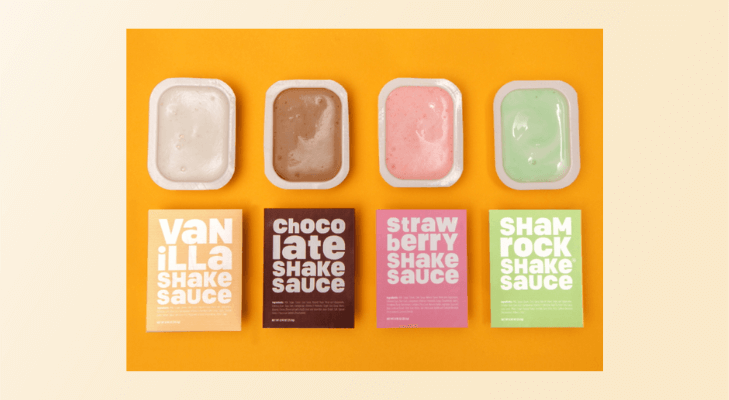
For example, McDonald’s UK once launched an April Fool’s announcement about mini milkshake sauce pots designed for dipping fries. It touched on a quirky but real habit of dipping fries into a milkshake. McDonald’s both acknowledged the oddness and embraced it, making fun of themselves and their product.
Where and how to implement it? Marketers can implement self-mocking campaigns during key engagement windows like April Fool’s Day or product milestones. Use CleverTap to segment customers based on their needs and deliver the prank consistently across push, email, in-app, and social channels. Track reactions in real time to see which audiences engage most, then follow up with personalized messages or offers that convert laughter into retention.
Key takeaway: Self-mocking humor makes a brand feel relatable and bold. When marketers own their audience’s quirks with playful honesty, they earn attention that feels organic.
8. Use Sensory Humor to Reimagine Product Reality
Reinventing product reality means taking something ordinary and making it absurd through sensory exaggeration. You twist what people expect to feel, hear, or see. The humor works because it feels oddly possible at first. On April Fool’s Day, that mix of realism and surprise creates curiosity, laughter, and shareable joy.
Take Dulux, for example. They announced a limited-edition scented paint line for April Fool’s Day, offering scents like Hazelnut Truffle, Cookie Dough, and Chocolate Sprinkles. The campaign built on a real product category (paint) but added an absurd sensory layer (smells like dessert). The playful and believable idea made the brand appear fun and imaginative.
Where and how to implement it? You can run similar sensory-twist campaigns around high-engagement periods like April Fool’s Day or product refreshes. Use CleverTap to segment audiences by product interest or past engagement, then send new launch teasers through push, email, and in-app messages. Track reactions in real time to gauge curiosity and humor response. Finally, use the personalization engine to send custom reveals or offers to turn surprise into retention.
Key takeaway: Show creativity within a familiar product experience to improve social engagement, top-of-mind awareness, and brand likability.
9. Create A Fictitious Product Based on Cultural Insights
Another great idea is to create something that feels real because it taps into shared habits, traditions, or local humor. It works on April Fool’s Day because audiences instantly recognize the reference before realizing the twist. This blend of familiarity and surprise makes your April Fool’s Day campaign feel clever, relevant, and worth sharing.
The Netherlands grows over half the world’s tulips. Google used this knowledge to create the ‘Google Tulip’ campaign in 2019. Google Netherlands claimed they’d added ‘Tulipish’ as a language for Google Home to communicate with tulips. While plants don’t talk to us, Google designed a tech twist that felt believable enough.
Where and how to implement it: Replicate this by finding cultural moments or local quirks that their audience instantly relates to. Use CleverTap to segment users by region or interest, then launch your ‘believable fiction’ through push, email, or in-app storytelling. Track user engagement in real time to see which groups react fastest. Finally, reveal the twist with personalized follow-ups to turn curiosity into connection.
Key takeaway: Drive higher engagement, brand recall, and viral reach by connecting with audiences over cultural moments.
10. Mock Luxury Culture With Upscale Satire
Turning ordinary things into symbols of status exposes how absurd luxury culture can be. It highlights society’s fixation on viral trends that turn the simple into the elite. Using humor and satire to mirror these behaviors helps brands create campaigns that feel more human, relevant, and self-aware.
That’s exactly what Welch’s fictional ‘$19 Single Strawberry’ fruit snack did when it promoted itself as the ‘ultimate one-bite indulgence’. The brand mimicked high-end food marketing with slick visuals and luxury-style copy on social media. The execution amplified the humor once viewers realized the joke. The campaign went viral for its wit and cultural timing.
While it worked well for Welch, be careful. Mocking culture without sensitivity can easily come off as tone-deaf.
Where and how to implement it: Marketers can start by listening to what audiences are already joking about online: cultural quirks, viral habits, or niche obsessions. Use CleverTap’s behavioral insights to find these patterns within your user base and identify moments ripe for satire. Test early reactions with small, segmented groups before scaling across channels like push or email. This way, humor feels timely and data-backed.
Key takeaway: Find cultural absurdities your audience relates to. Then, use it to humanize your brand, spark organic buzz, and deepen emotional connection through shared humor.
CleverTap: Powering Smarter April Fool’s Day Campaigns
CleverTap gives marketers everything they need to turn April Fool’s Day ideas into smart, data-driven experiences. It helps you move beyond one-off jokes to create campaigns that are precise, personalized, and perfectly timed.
- Segmentation and Personalization: Use CleverTap’s advanced segmentation to find the right audience for humor. You can identify cohorts that respond well to playful or witty content, so your prank lands with those most likely to enjoy it.
- Omnichannel Automation: With CleverTap, you can coordinate your April 1st reveal across push notifications, email, WhatsApp, and in-app messages. A single story can unfold seamlessly across channels, making users feel part of something bigger rather than receiving isolated messages.
- Real-time Triggers: CleverTap’s automation lets you trigger content based on real user actions like opening your app or visiting a product page. This timing turns simple pranks into interactive moments that feel spontaneous and amplifies engagement.
- Analytics and Insights: Track how users react in real time. CleverTap’s analytics help you measure engagement spikes, click-throughs, and social shares during the campaign. These insights show which tone, channel, or message format generated the biggest laugh and the most conversions.
- Lifecycle Journeys: The fun shouldn’t end when the joke does. Use lifecycle journeys to turn post-prank interest into loyalty campaigns. Follow up with personalized offers, thank-you messages, or content that keeps your audience connected.
In short, CleverTap gives April Fool’s campaigns structure without killing spontaneity. It lets brands deliver humor while turning engagement spikes into lasting relationships.
Bring data, personalization, and timing to your April Fool’s campaigns with CleverTap.
Bring Precision and Play Together With CleverTap
April Fool’s Day is about making people laugh and making them remember you. The best campaigns use humor as a bridge to build trust, spark conversations, and strengthen emotional connection. CleverTap helps you do exactly that. Its segmentation, automation, and analytics tools help you launch creative campaigns that feel timely, personalized, and data-driven.
Whether you’re running a playful stunt or a multi-channel reveal, CleverTap ensures your ideas land with precision and impact.
Ready to plan your next April Fool’s moment? Book a CleverTap demo today.

Agnishwar Banerjee 
Leads content and digital marketing.Expert in SaaS sales, marketing and GTM strategies.
Free Customer Engagement Guides
Join our newsletter for actionable tips and proven strategies to grow your business and engage your customers.